How Long Does a 10kW Solar Battery Last During a Blackout?

Time:2026-11-05 Author:Sophia
0%

When the grid goes dark, the lights, refrigerator, and internet router become immediate priorities. But how long does a 10kw solar battery last during a blackout? There is no single answer. A “10kW” rating usually describes the system’s power output, not the amount of energy stored. Battery capacity, measured in kilowatt-hours, is what helps estimate runtime. That distinction matters.

A useful starting point is to divide the battery’s usable capacity by the average power your household draws. For example, a 10kWh battery supplying a steady 1kW load may provide roughly ten hours before losses and reserve settings are considered. Real homes rarely use power steadily. A refrigerator cycles on and off, while a kettle or microwave can briefly raise demand. Small details count. Battery age, inverter efficiency, temperature, and backup settings can also change the available energy.

Solar panels may extend backup time during daylight, but clouds, shading, and winter days can limit charging. Some systems also need specific backup equipment to operate during an outage, so check the manufacturer’s guidance or ask a qualified installer. This article explains how to estimate runtime using your battery’s usable capacity and essential loads, then shows why actual results can differ. The estimate is useful, not a promise. Measuring your own evening usage may reveal that your assumptions need revisiting.
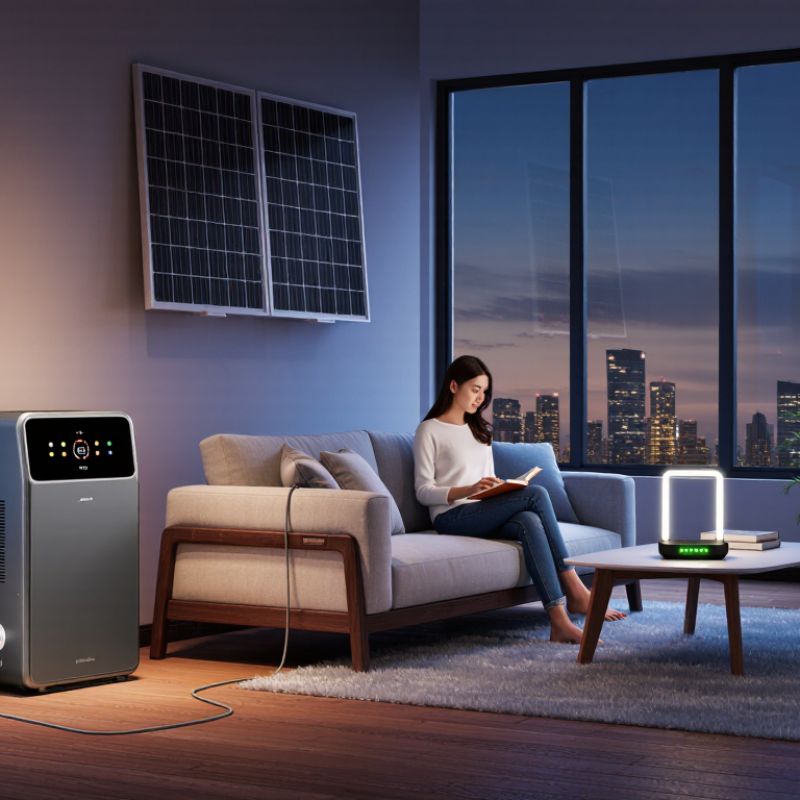
How Long Does a 10kW Solar Battery Last During a Blackout?

What a “10 kW” Solar Battery Rating Actually Means

A “10 kW” rating usually describes how much power a battery system can deliver at one time. It does not tell you how long that power will last. That distinction matters during a blackout. A battery’s stored energy is measured in kilowatt-hours (kWh), and that figure is needed to estimate runtime.

Check the specification sheet for usable capacity, not just the headline number. For example, a system with 10 kWh of usable energy might run a steady 1 kW load for roughly ten hours, before accounting for conversion losses or reserve settings. A 10 kW output rating could belong to a battery with much less—or much more—than 10 kWh stored. The label alone is not enough.

Loads also vary. A refrigerator cycles on and off, while a kettle draws a large amount of power briefly. A 10 kW output limit may handle several appliances together, but total energy use still drains the battery. Solar panels can help recharge it in daylight, though clouds, shade, and winter days change the picture. It is easy to focus on the impressive number. Better to compare usable kWh with the appliances you truly need, then leave a margin; real outages rarely follow a tidy estimate.

How Long Does a Solar Battery Last During a Blackout?

A 10 kW rating describes the battery’s maximum power output, not how much energy it stores. Runtime depends on its capacity in kilowatt-hours (kWh) and the power your appliances use.

Example: With a 10 kWh battery, assuming 90% usable capacity and 90% inverter efficiency, about 8.1 kWh is available to loads. That is approximately 8.1 hours at a steady 1 kW load. Actual runtime varies with battery settings, appliance use, and whether solar panels are generating power.

How to Estimate Runtime from Usable Capacity and Power Demand

How Long Does a 10kW Solar Battery Last During a Blackout?
How to Estimate Runtime from Usable Capacity and Power Demand

A 10 kW rating describes power output, not stored energy. Runtime depends on usable kilowatt-hours (kWh) and the average load in kilowatts (kW). Estimate it by dividing usable kWh by average kW. That distinction matters.

Check the battery’s stated usable capacity, not just its nominal capacity. If a system provides 10 kWh of usable energy, a steady 1.5 kW load would run for about 6.7 hours. NREL’s 2024 Annual Technology Baseline models lithium-ion battery round-trip efficiency at roughly 85%; actual household system performance varies. If the capacity figure excludes conversion losses, account for the inverter’s efficiency too.

The U.S. Energy Information Administration reported average residential electricity use of 10,791 kWh in 2022, or about 29.6 kWh per day. That annual average is not a blackout load profile. A refrigerator cycles on and off, while a kettle or well pump can briefly raise demand. Add up the essential devices and their expected run times for a more useful estimate. It will still be imperfect. Actual runtime can shift with battery reserves, temperature, and changing loads.

How Long Does a 10kW Solar Battery Last During a Blackout? — How to Estimate Runtime from Usable Capacity and Power Demand

A 10 kW rating describes power output, not how much energy a battery stores. Blackout runtime depends mainly on usable battery capacity (kWh) and the average power demand (kW).

Estimated backup runtime by usable battery capacity and average load
Usable battery capacity 0.5 kW load
(500 W)
1 kW load 2 kW load 3 kW load 5 kW load 7.5 kW load
10 kWh 18 hours 9 hours 4.5 hours 3 hours 1.8 hours 1.2 hours
15 kWh 27 hours 13.5 hours 6.75 hours 4.5 hours 2.7 hours 1.8 hours
20 kWh 36 hours 18 hours 9 hours 6 hours 3.6 hours 2.4 hours
30 kWh 54 hours 27 hours 13.5 hours 9 hours 5.4 hours 3.6 hours

Estimate used: Runtime (hours) = usable battery capacity (kWh) × 0.90 ÷ average load (kW). The 0.90 factor allows for an approximate 10% energy loss during DC-to-AC conversion.

Important: These are estimates, not guaranteed runtimes. Actual results vary with inverter efficiency, battery reserve settings, temperature, battery condition, appliance start-up surges, and changing loads. A 10 kW inverter rating indicates the maximum supported output; it does not indicate battery storage capacity. Solar charging during the blackout is not included.

Which Household Appliances Use the Most Battery Energy

During a blackout, the biggest battery drains are often appliances that produce heat. A portable electric heater may draw 1,500 watts, using 1.5 kilowatt-hours in one hour. Run it for eight hours, and it could consume 12 kilowatt-hours. An electric oven or clothes dryer can also use several kilowatts while operating. Their actual consumption depends on settings, cycle length, and how often they run.

Small devices add up differently. A refrigerator cycles on and off, often using roughly 1–2 kilowatt-hours per day, though age, size, and room temperature matter. A modem, router, and a few LED lights use much less. But leave every light on, and the total steadily climbs. It happens quietly.

Check appliance labels or measure actual usage when possible; estimates can be off. Also, “10kW” describes power output, not necessarily stored energy. Battery capacity is usually stated in kilowatt-hours, which determines how long appliances can run. A 10-kilowatt-hour battery might cover a refrigerator, lights, and internet for part of a day, but not a heater running continuously. I’d plan around essential loads and allow a reserve, because real outage habits rarely match a neat calculation.

How Solar Charging Affects Runtime During a Blackout

How Long Does a 10kW Solar Battery Last During a Blackout?

Solar charging can extend backup time, but sunlight—not the battery’s power rating—sets the pace. A 10 kW rating describes power; runtime depends on stored energy in kilowatt-hours (kWh), usable capacity, and household demand. A 10 kWh battery supplying a steady 1 kW load would theoretically last 10 hours, before conversion losses and reserve limits. Real homes rarely draw power steadily.

During an outage, panels recharge the battery only when sunlight is available, and clouds, shade, panel direction, and season all change output. For a rough example, a 5 kW solar array receiving four peak-sun hours could produce about 17 kWh in a day after applying the 14% default system-loss assumption documented by NREL’s PVWatts model. Battery charging losses and changing weather reduce what is stored. That is an estimate, not a promise; a gray afternoon can change the picture quickly.

Tips: Check usable battery capacity, not just kW. Run essential loads, such as a fridge and a few lights, and avoid heavy appliances during weak sun. Track battery charge through the day. The forecast can be wrong.

Typical Backup Times for Essential and Whole-Home Loads

A 10 kW rating describes how much power a battery system can deliver at once, not how much energy it stores. Runtime depends on usable capacity, measured in kilowatt-hours, and the appliances running. If the system stores 10 kWh of usable energy, essential loads averaging 500 to 1,000 watts could run for roughly 10 to 20 hours on paper. A refrigerator, a few lights, Wi-Fi, and phone chargers might fit this range. Small loads help. Inverter losses and a reserve for battery protection can reduce actual runtime, so a practical estimate may be closer to 8 to 17 hours.

Whole-home backup can use energy much faster. With an average load of 2 to 4 kW, a 10 kWh battery may last about 2.5 to 5 hours before losses. Air conditioning, electric cooking, clothes dryers, and water heaters can push demand higher and shorten that window sharply. A 10 kW output rating may support several appliances at once, but it does not guarantee long backup time. Check the battery’s usable kWh and the continuous output rating, then estimate your household’s average load. These figures are only planning ranges; real usage can vary, and it is easy to underestimate how often large appliances cycle on.

FAQS

What does a 10 kW rating mean?

It describes the power a system can deliver at one time. It does not show how much energy the battery stores.

How can I estimate battery runtime?

Divide usable capacity in kWh by average load in kW. A 10 kWh battery powering a steady 1.5 kW load lasts about 6.7 hours before losses.

Why check usable capacity instead of nominal capacity?

Some energy may be reserved or unavailable. Check the usable kWh figure, and include inverter losses if they are not already counted.

How long might essential appliances run?

With 10 kWh usable, loads averaging 500–1,000 watts may run 10–20 hours on paper. In practice, 8–17 hours may be more realistic. Small loads help.

How quickly can whole-home loads drain a battery?

At an average 2–4 kW, 10 kWh provides roughly 2.5–5 hours before losses. Air conditioning and water heating can shorten that window.

Does a 10 kW output rating guarantee long backup?

No. It describes power output, not stored energy. Large appliances can use energy quickly, even when the system can run them.

Can solar panels extend runtime during an outage?

Yes, when sunlight is available. Clouds, shade, season, and panel direction affect output. Charging losses matter too. A gray afternoon changes the picture.

How should I plan for changing loads and weather?

List essential devices and their expected run times, then track battery charge during the day. A refrigerator cycles on and off, making estimates imperfect. Forecasts can be wrong.

Conclusion

A 10 kW rating describes how much power a solar battery can deliver at once, not how long it can run a home. To estimate runtime, look at the battery’s usable capacity in kilowatt-hours and divide it by the average power used by connected appliances. This is the key to understanding how long does a 10kw solar battery last during a blackout. Actual results vary with battery limits, conversion losses, and how much energy is already stored.

Refrigerators, lighting, internet equipment, and small electronics generally use less energy than electric heating, air conditioning, ovens, or water heaters. Running only essential appliances can therefore extend backup time, while whole-home use may drain the battery much faster. Solar panels can add energy during daylight, but charging depends on sunlight, weather, and household demand; it may slow or stop overnight. A battery’s usable capacity and a realistic load estimate are more useful than its 10 kW power rating alone when planning for an outage.

Sophia

Sophia

Sophia is a dedicated marketing professional with an exceptional depth of knowledge about her company's products and services. With a keen understanding of market trends and customer needs, she crafts insightful blog posts that not only inform but also engage readers, enriching the company’s online......