Can a Hybrid Inverter Work Without a Battery China Best?

Time:2026-09-07 Author:Oliver
0%

Can a hybrid inverter work without a battery? In many systems, yes, but the answer depends on its operating design. A hybrid inverter can convert solar electricity for household loads while sending surplus power to the grid. Without storage, it cannot provide energy after sunset. It also cannot guarantee backup power during a grid outage.

Dr. Alex Lu, a power-electronics specialist, explains: “A hybrid inverter can operate without a battery, but it cannot store energy it does not have.” This simple point matters when comparing China Best hybrid inverter options. A suitable model should support battery-free operation, grid export, stable MPPT tracking, and safe anti-islanding protection. These features affect performance more than a low purchase price.

Consider a sunny afternoon. Solar panels may produce 5 kilowatts, while the home uses only 2 kilowatts. The remaining power may be exported or curtailed, depending on local settings. At night, the inverter may stop supplying household loads unless grid power remains available. During an outage, many systems shut down completely.

That limitation is easy to overlook. I have seen product comparisons focus on rated power while ignoring firmware, commissioning quality, and export controls. Those details can decide whether the system performs smoothly. Buyers should check the manufacturer’s datasheet, installer experience, warranty terms, and regional grid requirements. A hybrid inverter without a battery can be practical, but it is not a complete energy-storage system. The right choice depends on daytime consumption, outage expectations, and future battery plans.
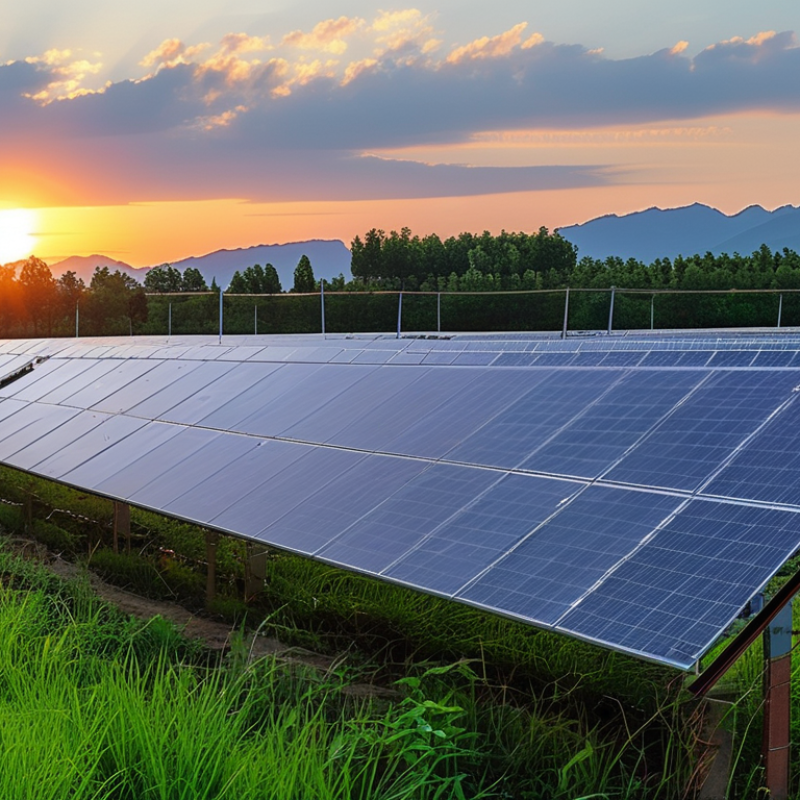
Can a Hybrid Inverter Work Without a Battery China Best?

What Is a Hybrid Inverter and How Does It Operate?

A hybrid inverter is the control center of a solar power system. It converts direct-current electricity from solar panels into alternating-current power for household appliances. Unlike a basic solar inverter, it can manage solar production, grid electricity, and battery storage through one system.

A battery is not always required. Some hybrid inverters can operate without one, sending solar energy directly to daytime loads or exporting excess power to the grid. When clouds pass, the inverter may draw electricity from the grid instead. With a battery connected, it stores surplus energy for evening use and can provide backup power during an outage, if the system supports backup operation. The exact behavior depends on internal software, wiring, local grid rules, and the inverter’s approved operating modes.

Tips: Check the technical manual before installation. Confirm whether battery-free operation is supported, and ask a qualified installer to test grid protection, grounding, and load limits. A simple test with a kettle and refrigerator can reveal sudden power changes. Keep measurements.

In practical use, energy management is rarely perfectly smooth. A refrigerator may start just as clouds reduce solar output, causing a brief grid import. That is normal. However, repeated shutdowns suggest incorrect settings, insufficient solar capacity, or a wiring problem. Monitoring daily production and evening consumption helps determine whether a battery would provide real value. Some systems appear efficient on paper but perform differently under heat, shade, or irregular household loads.

Can a Hybrid Inverter Function Without a Battery?

Can a Hybrid Inverter Function Without a Battery?

Yes, many hybrid inverters can operate without a battery, but their functions become limited. In a typical solar installation, the inverter converts daytime solar power for household loads. Excess electricity may flow to the grid, depending on local rules and system settings. When clouds pass, solar production can fall within seconds. Without battery storage, the inverter cannot cover that gap.

A battery-free system usually cannot provide backup power during a grid outage. It may shut down for safety, even when strong sunlight reaches the panels. This behavior protects utility workers and prevents unstable power from entering the network. In practical installations, correct programming matters as much as hardware. A common mistake is assuming “hybrid” always means uninterrupted backup. It does not. The answer depends on the inverter design, grid connection, and approved operating mode.

Tips: Check the manual for batteryless operation before installation. Confirm the minimum solar voltage and startup requirements. Test performance with household loads, such as a refrigerator and water pump. Keep expectations realistic.

A qualified installer should also inspect cable sizing, grounding, protection devices, and local approval requirements. Some systems start well in bright sunlight but struggle during early morning or heavy cloud. That weakness is easy to overlook. A battery can improve stability, yet it also adds cost, maintenance, and design decisions. So, can a hybrid inverter work without a battery? Often yes, but not as a complete backup solution.

Can a Hybrid Inverter Function Without a Battery?

This modeled sunny-day profile uses a 5 kW photovoltaic system and shows how a battery-free hybrid inverter can operate. Solar power supplies household demand first; surplus electricity is exported to the grid, while the grid covers demand when solar production is insufficient. Actual operation depends on the inverter’s grid-connected design, regulations, and backup-function requirements.

How Battery-Free Hybrid Inverters Manage Solar Power

A battery-free hybrid inverter can still manage solar power, but its behavior depends on the grid and inverter design. During sunny hours, solar electricity usually serves household loads first. Surplus power may flow to the grid when export is permitted. The inverter can also reduce output when production exceeds local demand. This is practical, not magical.

The International Energy Agency reported that global solar photovoltaic capacity exceeded 1.6 terawatts in 2023. That growth makes daytime energy management increasingly important. Without a battery, however, unused solar energy cannot normally support evening loads. A home using 2 kilowatts at noon may export excess power, while its lights later draw electricity from the grid. Backup operation is also generally unavailable during an outage, because safety controls disconnect grid-connected systems.

Battery-free operation can lower initial cost and reduce battery replacement concerns. It may suit offices, workshops, and homes with strong daytime consumption. NREL’s PVWatts research tool models grid-connected photovoltaic systems without storage, reflecting this common operating structure. Yet “hybrid inverter” remains an imperfect term. Some systems include battery controls but operate without installed batteries. Check export limits, anti-islanding protection, local interconnection rules, and minimum startup voltage. A field test should compare midday production with real load data. Forecasts alone can mislead.

Benefits and Limitations of Batteryless Operation

Can a hybrid inverter work without a battery? Often, yes, but only when its design supports batteryless operation. Solar panels can power daytime loads while the grid supplies shortfalls. For example, a 5-kilowatt solar array may run a 3-kilowatt load at noon. When clouds pass, output can drop within seconds. The grid then fills the gap, if available.

Batteryless operation can reduce upfront costs, installation space, and battery maintenance. It also avoids future battery replacement. No stored energy means no real backup. At night, the system needs grid power or another energy source. During an outage, many inverters shut down automatically to prevent electricity from reaching repair lines. This safety function is essential. It also means solar panels may stop powering the home.

There are other limitations. Excess solar power may be exported, curtailed, or restricted by local grid rules. Some appliances, especially pumps and compressors, demand a strong starting surge. Without a battery, the inverter may struggle with sudden changes. Check the technical manual carefully. Confirm minimum operating voltage, backup functions, export settings, and approved installation requirements. For buyers comparing “China best” solutions, low price is not proof of suitability. A professional installer should test load patterns, roof output, and grid stability. I would not treat batteryless operation as a complete energy solution. It is useful, but imperfect.

How to Choose China’s Best Hybrid Inverter for Your System

Choosing China’s best hybrid inverter starts with your system, not a product ranking. A suitable unit should match your solar array, grid voltage, household load, and future battery plan.

Some hybrid inverters can operate without batteries, using solar power directly or exporting excess energy. However, backup power usually requires a compatible battery. Check the label.

Review the inverter’s MPPT voltage range and maximum input current. These figures must suit your panel layout, especially during cold mornings when voltage rises. Look for high conversion efficiency, clear monitoring data, and stable operation under heat and dust. An IP-rated enclosure helps in outdoor installations. Certification for your target market is essential, not optional. Local grid requirements can differ greatly.

Experience in real installations has taught me to examine service details closely. Ask about warranty length, spare parts, firmware updates, and repair procedures before purchasing. A low price may become expensive if technical support responds slowly. Confirm battery communication protocols, generator compatibility, and backup switching time. Test the monitoring platform on a phone, if possible. Small details matter.

I would not claim one inverter is best for every home. A rural workshop may value surge capacity, while an apartment may need quiet operation and compact wiring. Request a complete datasheet, installation guide, and independent test records. Then have a qualified installer check cable sizes, protection devices, ventilation, and local compliance. Mistakes still happen, even with careful planning.

FAQS

: Can a hybrid inverter work without a battery?

: Often, yes. It can send solar electricity directly to daytime household loads. The grid supplies missing power.

What happens to extra solar electricity?

Surplus electricity may flow to the grid when local export rules permit. The inverter may also reduce production.

Can battery-free solar power a home at night?

Usually, no. Without stored energy, evening appliances need grid electricity or another approved source.Not at night.

Will the system provide backup power during an outage?

Usually, no. Grid-connected inverters often shut down to protect repair workers from unexpected electrical flow.

What are the main advantages of battery-free operation?

It can reduce purchase costs, installation space, and battery maintenance. It also avoids future battery replacement.The trade-off is significant.

Which buildings may suit battery-free operation?

Offices, workshops, and homes with strong daytime demand may benefit. A workshop using machinery at noon is one example.Homes with evening demand may gain less.

What technical details should buyers check?

Check solar voltage, maximum input current, export limits, and backup functions. Also review grid voltage and local certification requirements.Small specifications can cause large problems.

How should system suitability be tested?

Compare midday solar production with real load data. Include pumps, compressors, and other appliances with high starting surges.Forecasts alone can mislead.

Is the cheapest inverter the best choice?

Not necessarily. Review efficiency, monitoring, warranty service, spare parts, firmware support, and repair procedures.Low price can become expensive.

Can one inverter suit every property?

No. A rural workshop may need strong surge capacity, while an apartment may require quiet, compact equipment.I would avoid universal claims.

Conclusion

A hybrid inverter combines the functions of a solar inverter, energy manager, and optional battery controller, allowing electricity to flow between solar panels, household loads, the grid, and a battery. But can a hybrid inverter work without a battery? In many systems, yes. When no battery is connected, the inverter can convert solar power into usable electricity, supply appliances directly, and send surplus energy to the grid where local regulations and connection arrangements permit.

Battery-free operation can reduce upfront costs, simplify installation, and make good use of solar energy during daylight hours. However, it normally cannot provide meaningful backup power at night or during a grid outage unless the system includes a suitable emergency-power design. Output may also vary with sunlight, and unused solar energy could be curtailed. When selecting China’s best hybrid inverter for a system, users should compare efficiency, safety protections, solar input capacity, grid compatibility, monitoring features, warranty support, and future battery expandability.

Oliver

Oliver

Oliver is a seasoned marketing professional with a wealth of expertise in driving brand awareness and engagement. With a deep understanding of our company's product offerings, he consistently delivers high-quality content that enriches our professional blog. His insights not only shed light on......