How to Maintain Home Energy Storage Batteries in Winter Tips?

Time:2026-07-09 Author:Liam
0%

As winter approaches, homeowners often face challenges in managing their energy storage systems. Understanding how to maintain home energy storage batteries in winter is crucial for optimal performance. Cold temperatures can impact battery efficiency and lifespan. This is especially important for those relying on renewable energy sources.

Batteries can suffer from reduced capacity in low temperatures. If not properly cared for, they might fail when you need them most. Regular maintenance is essential to keep these systems running smoothly. Ensuring good insulation and preventing battery freezing are key steps.

Monitoring these batteries throughout winter can prevent costly replacements. Being proactive can extend their lifespan significantly. It’s also wise to familiarize yourself with troubleshooting procedures. Embracing these practices helps secure your energy needs during the cold months.
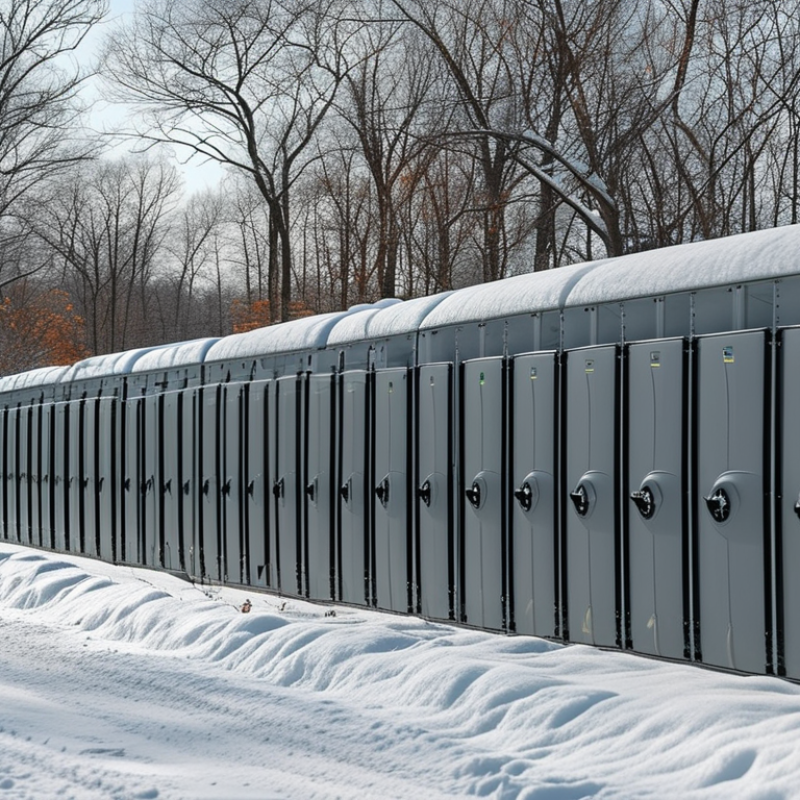
How to Maintain Home Energy Storage Batteries in Winter Tips?

Best Practices for Winter Maintenance of Home Energy Storage Batteries

Winter can be harsh on energy storage batteries. These batteries need special attention to function effectively during colder months. Begin by checking your battery's temperature range. Most batteries perform best in temperatures above freezing. If possible, keep them in a climate-controlled space. This minimizes the risk of damage from extreme cold.

Regular maintenance is essential. Inspect connections for corrosion and ensure everything is secure. Check the electrolyte levels if applicable. Low levels can affect performance. Keep the battery clean and free of debris. A dirty surface can lead to short circuits. Pay attention to the charging process. Overcharging in winter can be detrimental.

Consider using insulation for your battery. A thermal blanket can help maintain a stable temperature. However, avoid wrapping it too tightly. This could trap heat and cause overheating. Monitor the battery's performance closely. If you notice any unusual signs, such as decreased capacity, reassess your setup. Staying proactive is vital for longevity and peak performance.

Home Energy Storage Battery Maintenance in Winter

This chart illustrates the importance of various maintenance practices for home energy storage batteries during winter months. Proper maintenance ensures optimal performance and longevity of your battery systems.

Understanding the Impact of Cold Temperatures on Battery Performance

Cold temperatures significantly affect home energy storage batteries. When the mercury drops, battery performance can decrease. Reports show that lithium-ion batteries can lose up to 20% of their capacity in freezing conditions. This drop impacts both efficiency and lifespan. Energy output may also be reduced, leading to less effective home energy storage.

To manage this issue, consider insulating your battery system. Wrapping batteries in thermal blankets can help maintain a stable temperature. Check regularly for any signs of frost or ice, as these can damage the battery. It’s vital to charge batteries fully before winter arrives. Keeping batteries at optimal charge levels can prevent performance-related issues in the cold.

Another tip is to regularly monitor the battery's temperature. Ideally, batteries should be kept above 32°F (0°C). If temperatures dip too low, it might be necessary to heat the battery area. Using a battery management app can provide real-time data, ensuring you’re informed about the health of your storage system. Understanding these factors is essential for maintaining efficiency and longevity during colder months.

Optimal Charging Strategies for Batteries During Winter Months

Winter can be tough on home energy storage batteries. Cold weather impacts battery performance significantly. Li-ion batteries, commonly used in home energy systems, can lose up to 20% of their capacity at 32°F (0°C). Therefore, optimal charging strategies are crucial during this season.

Charging during the day, when temperatures rise, is generally more effective. Many experts recommend setting charging times around midday. This helps ensure that batteries take in energy efficiently. Data shows that batteries charged at optimum temperatures last longer. The Department of Energy states that keeping batteries at a stable temperature can increase their lifespan by 20-30%.

Regular monitoring also plays a key role. Check the battery's status regularly to avoid deep discharges. A discharge below 20% can lead to permanent capacity loss. Additionally, ensure connections are secure and free of corrosion. This practice can prevent unforeseen issues and maintain the system's reliability in frigid conditions.

Embracing these strategies can help mitigate winter challenges and extend the life of home energy storage systems.

Monitoring and Managing Battery Temperature for Enhanced Efficiency

Winter poses unique challenges for home energy storage batteries. Proper temperature management is crucial for their efficiency and longevity. Cold temperatures can significantly impact battery performance. Regular monitoring is essential to ensure optimal functioning.

Consider checking the battery temperature regularly. Ideally, it should stay between 32°F and 77°F. If it's too cold, you might notice reduced output. Make adjustments if necessary to maintain this range. Insulating batteries with thermal blankets can help.

Also, ensure your battery is well-ventilated. Poor air circulation can lead to overheating, even in winter. A balanced temperature prevents both overheating and freezing. Look for signs such as slow charging rates or erratic performance. These may indicate temperature issues, requiring prompt attention.

Routine Checklists for Ensuring Battery Longevity in Cold Weather

Winter can be tough on home energy storage batteries. Cold temperatures can reduce battery efficiency and lifespan. Regular checkups are essential to ensure your battery remains in good condition during this season.

Check your battery's temperature regularly. Ideal conditions are typically above freezing. A drop in temperature can decrease performance. Insulate your batteries if they are located in unheated areas. This simple step can protect them from extreme cold conditions.

Regularly clean the terminals to prevent corrosion. Dirt and grime can cause poor connections, leading to inefficiencies. Use a soft brush or cloth. Apply a small amount of petroleum jelly to terminals after cleaning. This easy task can extend the battery life significantly.

Monitor your battery's state of charge frequently. In colder months, keeping the charge between 30% and 80% is best. Lowering the charge below 30% can lead to irreversible damage. If you notice performance issues, consider reviewing the installation setup. Doing so can reveal potential problems that need addressing.

FAQS

: How do cold temperatures affect battery performance?

: Cold temperatures can reduce battery capacity by up to 20%. This impacts efficiency and lifespan.

What should I check before winter arrives?

Always charge your batteries fully before winter. This helps prevent performance issues in cold months.

How can I maintain optimal battery temperature?

Regularly monitor the temperature. Ideally, keep it between 32°F and 77°F for best performance.

Is insulation beneficial for batteries in winter?

Yes, insulation from thermal blankets helps maintain temperature. Avoid wrapping them too tightly to prevent overheating.

What maintenance tasks should I perform regularly?

Check connections for corrosion, inspect electrolyte levels, and keep the battery clean to ensure safe operation.

How can I tell if my battery has a temperature issue?

Look out for slow charging rates or erratic performance. These signs may indicate a need for temperature adjustments.

Can low electrolyte levels affect battery performance?

Yes, low electrolyte levels can negatively impact battery performance and overall efficiency.

Could poor ventilation lead to battery issues?

Yes, lack of airflow can cause overheating, even in winter. Ensure your battery is well-ventilated.

What should I do if I notice unusual performance signs?

Promptly reassess your battery setup if you see decreased capacity or erratic behavior.

How important is regular monitoring for battery longevity?

Regular monitoring is vital for maintaining efficiency. Proactive management ensures optimal battery health.

Conclusion

When considering how to maintain home energy storage batteries in winter, it is essential to adopt best practices that ensure their efficiency and longevity. Cold temperatures can significantly impact battery performance, so understanding these effects is crucial. Optimal charging strategies during the winter months, such as adjusting charging times to warmer parts of the day, can help improve performance and extend battery life.

Additionally, monitoring and managing battery temperatures is key to maintaining efficiency. Implementing routine checklists can serve as a valuable tool for homeowners to ensure their batteries are in good condition despite the challenges posed by cold weather. By following these guidelines, homeowners can effectively protect their energy storage systems and ensure reliable performance throughout the winter season.

Liam

Liam

Liam is a dedicated marketing professional with a profound expertise in the industry, where he excels at highlighting the unique advantages of our core products. With a keen understanding of market trends and consumer needs, Liam frequently updates our company’s professional blog, providing......