Why Is My Solar Battery Not Holding Charge 5 Common Reasons?

Time:2026-06-11 Author:Ethan
0%

Solar energy is becoming increasingly popular. However, many users face issues with their systems. A common concern is, "why is my solar battery not holding charge?" According to the Solar Energy Industries Association, over 3 million households in the U.S. use solar energy. Yet, 25% of users report battery performance problems. This indicates a significant need for awareness and understanding of battery issues.

Expert Dr. Emily Carter, a leading figure in renewable energy technology, emphasizes, "Understanding battery life is crucial for efficient solar usage." Her insights highlight potential reasons why batteries fail to hold charge effectively. Factors can include age, temperature fluctuations, improper installation, and even user habits.

As solar technology evolves, so do its challenges. Users must confront these technical hurdles. Investigating the reasons behind battery failure is essential for optimizing solar energy systems. Ensuring your battery performs is not just about installation; it's about awareness and proactive management too.
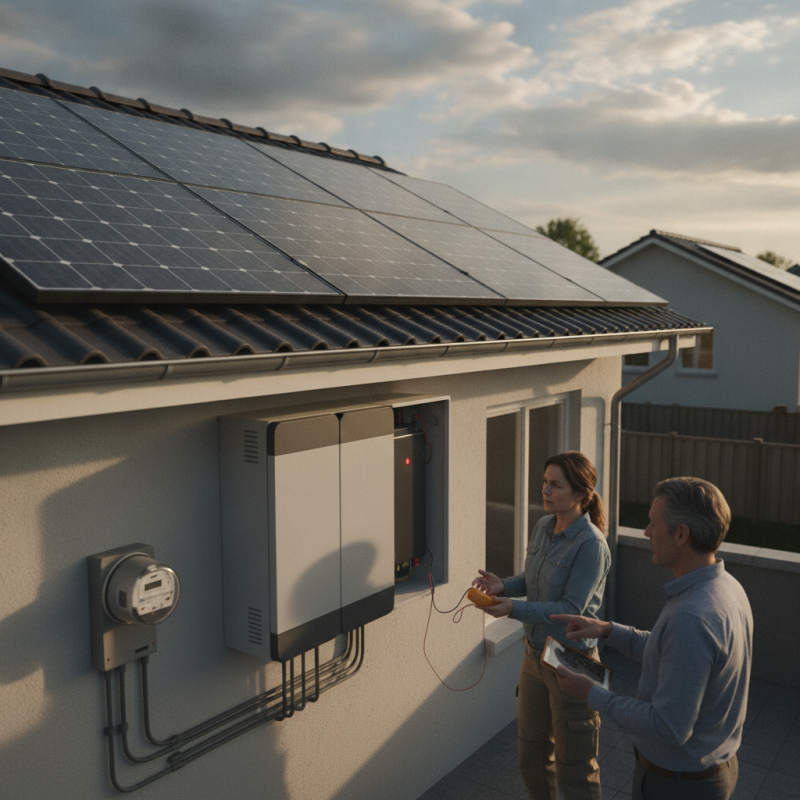
Why Is My Solar Battery Not Holding Charge 5 Common Reasons?

Understanding Solar Batteries and Their Functionality

Solar batteries play a crucial role in harnessing renewable energy. They store energy generated by solar panels for later use. Understanding their functionality is essential for optimal performance. These batteries ensure your home has power even during outages. However, not all solar batteries work perfectly. Some may struggle to hold a charge, causing frustration.

Several factors can affect a battery's ability to maintain a charge. Aging is a major issue. Over time, chemical reactions can degrade battery performance. Temperature also plays a role. Batteries can lose efficiency in extreme heat or cold. Additionally, improper installation or maintenance may lead to reduced functionality. These aspects are often overlooked, yet they are vital.

Another factor involves the depth of discharge. If a battery is frequently drained too low, it can shorten its lifespan. Monitoring usage helps maintain health. Quality of the battery also influences its performance. Not all solar batteries are created equal; some may not offer the longevity expected. Understanding these nuances can aid in making better choices when investing in solar energy systems.

Common Causes of Solar Battery Charge Issues

Solar batteries play a crucial role in harnessing renewable energy. However, they may sometimes fail to hold a charge effectively. Understanding the common causes can help address these issues.

One significant cause is battery age. Over time, solar batteries degrade, losing their ability to hold a charge. According to industry reports, batteries generally last between 5 to 15 years, depending on usage and maintenance. Poor installation is another factor. Incorrect connections or inadequate system sizing can lead to performance issues, reducing charge retention drastically.

Temperature fluctuations also impact battery performance. Extreme heat or cold can affect the chemical reactions within the battery, leading to reduced efficiency. In fact, studies indicate that batteries operate best at a stable temperature between 20 to 25 degrees Celsius. Overcharging is yet another problem. It can cause damage to battery cells, leading to diminished performance over time.

Tip: Regularly check the state of charge and battery health. Maintain proper ventilation to ensure optimal temperature levels. Monitoring battery performance can help identify issues early.

Sometimes, it's essential to reflect on charging habits. Frequent deep cycles can stress batteries. Consider adjusting your usage patterns to prolong battery life. This proactive approach can optimize battery performance over the long term.

Impact of Temperature on Solar Battery Performance

Temperature plays a significant role in the performance of solar batteries. When temperatures drop too low, the chemical reactions inside the battery slow down. This results in reduced energy storage capacity. Batteries may struggle to recharge, especially during winter months when sunlight is limited.

On the other hand, excessive heat can be just as damaging. High temperatures can accelerate degradation and lead to a shorter lifespan. Batteries exposed to extreme heat often lose charge more quickly. It’s crucial to monitor the environment where solar batteries are installed. For optimal performance, they need to be kept in a temperature-controlled space.

Proper ventilation is necessary. If solar batteries are in a confined area, they may overheat. Ensure that there is enough airflow around the batteries. Regular checks on battery health can prevent issues. Monitoring devices can detect temperature fluctuations in real time. Investing in such technology helps maintain performance and extend battery life.

Why Is My Solar Battery Not Holding Charge: 5 Common Reasons?

Reason Description Impact of Temperature
Aging Batteries lose capacity over time due to chemical reactions. Extreme temperatures can accelerate aging, reducing lifespan.
Temperature Fluctuations Batteries perform poorly in extreme heat or cold. High heat can cause swelling; cold can hinder charge acceptance.
Overcharging Charging past the recommended battery voltage can damage the battery. Increased temperature from overcharging can lead to thermal runaway.
Faulty Charge Controller Can lead to improper charging and battery management. Temperature irregularities can cause inefficient charging cycles.
Poor Connection Loose or corroded connections can affect charging. Cold weather can exacerbate connection issues, leading to poor performance.

Signs of Battery Aging and Degradation

As solar batteries age, signs of degradation become apparent. One common sign is a noticeable decrease in charge capacity. If your battery can’t hold energy like before, it may be aging. Observing how quickly it drains can also indicate wear. Frequent short charging cycles suggest the battery is struggling to retain power.

Physical inspection reveals additional signs. Corrosion on terminals points to inefficiency. This not only impacts energy storage but can cause safety hazards. Overheating during use is another red flag. It’s crucial to monitor your battery's temperature, as excessive heat speeds up degradation.

If your battery exhibits these symptoms, it’s imperative to reflect on its lifespan. Regular maintenance can prolong its life, yet all batteries eventually decline. Understanding these signs helps you manage your solar energy system effectively. Addressing issues sooner can save money on replacements in the long run.

Maintenance Tips to Enhance Battery Lifespan

Maintaining the health of your solar battery is crucial for its longevity and efficiency. A well-maintained battery can last anywhere from 5 to 15 years, depending on the technology used. According to industry reports, nearly 30% of battery degradation can result from improper maintenance. Regular checks can help identify issues early. Simple tasks, like cleaning terminals, can improve connectivity and performance.

Temperature control is another vital aspect. Batteries perform optimally between 20°C and 25°C. Extreme heat can accelerate wear. Conversely, cold weather can impair charging efficiency. Monitoring these conditions can prevent significant capacity loss. In fact, a recent study showed that batteries operating outside optimal temperature ranges can lose up to 50% of their efficiency.

Additionally, cycling frequency plays a role in battery health. Frequent deep discharges can shorten a battery’s lifespan. Aim to keep the battery charged between 20% and 80%. This practice, combined with proper installation and regular inspections, can significantly enhance overall performance. Taking these steps may seem tedious but can make a noticeable difference over time.

Common Reasons Solar Batteries Fail to Hold Charge

FAQS

: What is the primary function of solar batteries?

: Solar batteries store energy from solar panels for later use.

How do extreme temperatures affect solar batteries?

Extreme heat or cold can reduce a battery's efficiency significantly.

What is depth of discharge, and why is it important?

Depth of discharge refers to how low a battery is drained. Frequent deep discharges can shorten a battery's lifespan.

What signs indicate a solar battery is aging?

A noticeable decrease in charge capacity and quick draining cycles are common signs of aging.

How can physical inspections help with solar battery maintenance?

Inspecting for corrosion or overheating can identify potential issues before they worsen.

Can poor installation affect battery performance?

Yes, improper installation may lead to reduced functionality and efficiency.

What are common causes of battery degradation?

Aging, extreme temperatures, and lack of proper maintenance can all contribute to degradation.

How often should I check my solar battery?

Regular checks can help you identify issues early, potentially saving money on replacements.

Is it possible for all solar batteries to perform well?

No, not all batteries have the same quality; some may not offer the expected longevity.

What should I consider when investing in solar batteries?

Consider battery quality, maintenance practices, and how often you monitor its health.

Conclusion

Understanding the functionality of solar batteries is crucial for any renewable energy system. If you're asking "why is my solar battery not holding charge," it may stem from several common issues. Factors such as overcharging, improper installation, or inadequate system sizing can lead to charge retention problems. Additionally, temperature fluctuations can significantly impact performance, as batteries may degrade in extreme conditions.

As batteries age, signs of degradation become evident, including reduced capacity and longer charging times. To enhance your solar battery's lifespan, regular maintenance is essential. This includes monitoring charge levels, performing periodic checks, and ensuring the system operates within optimal temperature ranges. By addressing these concerns, you can help ensure your solar battery performs efficiently and reliably for years to come.

Ethan

Ethan

Ethan is a seasoned marketing professional with a deep expertise in our company's innovative product line. With a passion for sharing knowledge and insights, he takes the lead in regularly updating our corporate blog, where he explores industry trends, product features, and effective marketing......