Understanding the reason behind your solar charge controller's performance issues is crucial. Many users ask, "why does my solar charge controller keep cutting off?" This question reflects common frustrations faced by solar energy enthusiasts. The solution often lies in examining multiple factors that could contribute to this problem.
Several elements can lead to unexpected cut-offs. Voltage fluctuations, overcharging, or battery compatibility issues may cause disruptions. Users often overlook these areas. It's important to analyze each component closely. A thorough inspection can reveal underlying issues that need addressing.
Ultimately, your solar charge controller should operate reliably. If it's cutting off frequently, it’s a sign to investigate further. Addressing these issues will enhance your system's overall efficiency. You can also seek advice from professionals or fellow users. Engaging with knowledgeable communities can help deepens your understanding.
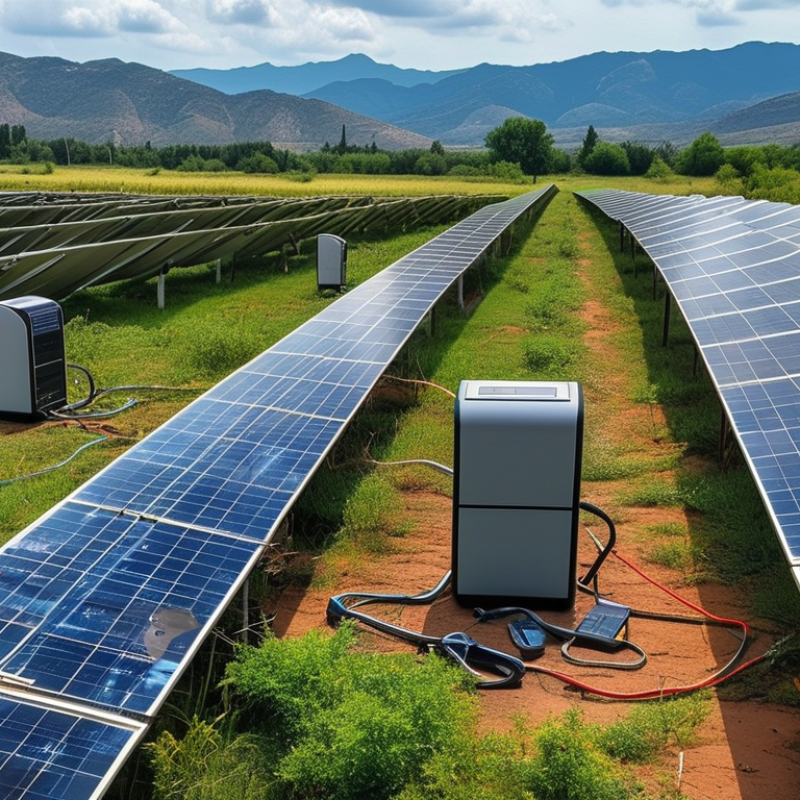
Solar charge controllers are essential devices in managing the energy from solar panels. They ensure that batteries are charged properly while preventing overcharging and damage. Understanding how these controllers work can help identify why they might cut off unexpectedly. Factors such as battery state, temperature, and load can impact their functionality.
When the solar charge controller detects an over-voltage situation, it will often cut off the system to protect the batteries. This can happen if the temperature rises or if the battery health is poor. If you notice frequent cut-offs, check your batteries. Ensuring they are in good condition can significantly reduce issues.
Here are some tips to enhance your solar charge controller's performance: Regularly clean your solar panels to maximize their efficiency. Monitor battery health to prevent sudden failures. Lastly, adjusting the charge settings based on seasonal changes can help manage energy distribution effectively. Taking these small steps can lead to a more reliable solar power system.
Solar charge controllers are essential for managing battery charging in solar power systems. However, they can sometimes cut off unexpectedly. Understanding common causes for these interruptions can help users troubleshoot issues effectively.
One frequent cause is insufficient sunlight. If solar panels do not receive adequate light, they may fail to produce enough energy. A report from the National Renewable Energy Laboratory states that at least 30% of solar systems underperform due to shading or incorrect installation. This can lead to the controller disconnecting from the battery to prevent damage.
Another reason is battery voltage fluctuations. Most controllers have specific voltage thresholds. If the battery voltage is too low or too high, the controller will stop charging. Data from the Solar Energy Industries Association suggests that batteries should be monitored regularly. Keeping battery connections clean and ensuring correct specifications can prevent unexpected shutdowns. Finally, environmental factors like extreme temperatures can affect performance. Controllers might cease operation to protect the system in unsafe conditions. Users must consider all these factors to maintain consistent energy flow.
A solar charge controller is vital for maintaining battery health. If your controller keeps cutting off, battery health might be the issue. Aging batteries can struggle to hold a charge, leading to frustrating interruptions. A weak battery might not indicate a faulty controller, but instead a decline in capacity.
Regularly check the voltage of your batteries. An indication that they need replacement could be a significant drop in voltage. Using a multimeter can help you track this effectively. Avoid mixing old and new batteries. It complicates charging and can increase the risk of failure.
Tip: Invest in a quality battery tester. It’s a small upfront cost but ensures long-term performance. Monitor the state of your batteries closely. Addressing issues early will save you time and money later. Remember, a charge controller can't perform miracles if the battery is in poor condition.
The following bar chart illustrates the correlation between battery health and the frequency of solar charge controller cut-offs due to battery issues. As the health of the battery decreases, the number of cut-offs increases, impacting the performance of the solar charge system.
Temperature variations can have significant effects on the operation of solar charge controllers. These devices are designed to manage battery charging, but extreme weather conditions can disrupt their functionality. High temperatures, for instance, may lead to overheating. This can cause the charge controller to shut down as a safety measure. When it gets too hot, it can’t regulate power efficiently.
On cold days, the opposite effect can occur. Low temperatures can affect battery performance, leading to undercharging. Even if the solar panels are producing energy, the charge controller might interpret a drop in voltage as a fault. This can result in unexpected disconnections. Monitoring temperature is crucial for maintaining optimal performance.
Many users overlook the importance of placing their charge controllers in suitable environments. It’s not just about the heat; humidity and moisture can also play a role. Controllers working in damp conditions may develop issues leading to malfunctions. It’s worth checking the installation location regularly. Ignoring these factors can lead to more frequent power interruptions. Adjustments may be necessary to avoid problems arising from temperature extremes.
Maintaining the efficiency of your solar charge controller is essential for optimal performance. Regularly checking your connections can prevent costly issues. Loose or corroded wires lead to energy loss. Ensure all terminals are clean and tightly fastened. Periodic inspections can help identify these problems early.
Temperature also plays a vital role. Extreme heat or cold can affect controller performance. It's wise to install your charge controller in a shaded area. Avoid direct sunlight exposure to prolong its life. Remember, each environment is unique, so consider your local climate.
Lastly, keep software updated if your controller has built-in monitoring features. Outdated firmware can hinder its ability to manage energy efficiently. Yet, some users may neglect this step, leading to inefficiencies. Making small adjustments can yield significant improvements over time. Regular maintenance not only enhances performance but also extends the lifespan of your system.
: Poor battery health can cause the controller to cut off frequently. It indicates a decline in battery capacity.
Regularly check battery voltage. A drop might signal it's time to replace the batteries.
Mixing batteries complicates charging and increases the risk of failure. It can lead to uneven performance.
High temperatures can cause overheating, leading to shutdowns. Cold temperatures may cause undercharging.
Moisture can lead to malfunctions. Regularly check the installation location to avoid issues.
Check connections regularly. Loose or corroded wires can lead to energy loss and inefficiencies.
Direct sunlight can lead to overheating. A shaded area helps prolong its lifespan and maintain performance.
Regularly check for software updates. Neglecting this may hinder the controller’s energy management efficiency.
Perform periodic inspections of connections and components. Early detection can prevent costly problems.
Monitor environmental factors and make necessary changes. Small adjustments can lead to significant improvements.
Understanding why does my solar charge controller keep cutting off can help users maintain a more efficient solar energy system. Solar charge controllers play a crucial role in regulating the flow of energy from solar panels to batteries, ensuring optimal charging and preventing overcharging. However, several factors can lead to unexpected shut-offs. Common causes include issues with battery health, such as sulfation or age, which can significantly affect performance.
Additionally, temperature variations can impact the operation of solar charge controllers, with extreme heat or cold potentially causing them to malfunction. To ensure consistent performance, it’s essential to follow best practices for maintenance. This includes regular inspections, ensuring proper ventilation, and monitoring battery health. By understanding these aspects, users can effectively address the question of why their solar charge controller keeps cutting off and improve their overall system reliability.

Vires Energy