As air conditioning usage rises, the demand for sustainable energy sources becomes critical. One key question arises: "how much solar power do I need to run an air conditioner?" According to the U.S. Department of Energy, the average air conditioner consumes about 3000 watts per hour. This significant demand raises the need for efficient solar power solutions.
Industry expert Dr. Sarah Thompson states, "Determining the solar capacity needed depends on local climate and efficiency of the AC unit." This emphasizes the importance of personalizing solar power systems. A common estimate is that a typical home requires 20 to 30 solar panels to run an air conditioner effectively. Each panel generates around 250 to 300 watts, depending on sunlight availability.
Yet, this approach can be overly simplistic. Factors like insulation and local weather can dramatically influence energy consumption. Evaluating your situation is crucial for maximizing efficiency and often involves some trial and error. Careful consideration ensures that the solar power system meets specific needs, making the transition to renewable energy smoother and more effective.
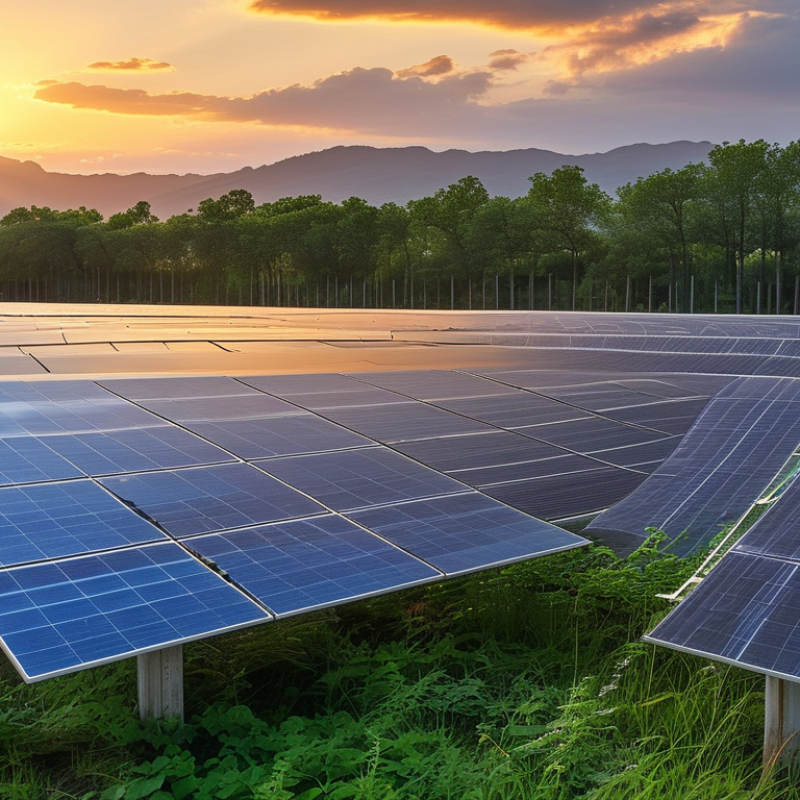
To effectively run an air conditioner with solar power, understanding the unit's power requirements is crucial. Most air conditioners range from 500 to 4,000 watts, depending on size and efficiency. A small window unit may require about 1,000 watts, while a larger central system could demand significantly more. Calculating your energy needs involves knowing both the starting wattage and the running wattage of your air conditioner.
It’s important to consider peak sun hours when planning your solar system. Your solar panels must generate enough energy to meet the air conditioner's demands during operation. For instance, if your unit consumes 1,500 watts and operates for eight hours, you'll need at least 12,000 watt-hours of energy daily. This doesn’t include energy losses or efficiency factors, which can complicate your calculations.
Moreover, the space available for solar panels matters. A standard panel may produce around 300 watts under ideal conditions. If there’s not enough roof space, meeting energy needs becomes challenging. This limitation highlights the importance of proper planning and possibly seeking professional advice to assess your specific energy requirements accurately.
When calculating the energy consumption of your air conditioner, a few factors come into play. First, you need to know the cooling capacity of your unit, which is usually measured in BTUs. A standard air conditioner can range from 5,000 to 20,000 BTUs. Larger spaces require units with higher BTU ratings.
Next, evaluate the energy efficiency ratio (EER) or seasonal energy efficiency ratio (SEER) of your air conditioner. High EER or SEER ratings indicate better efficiency, which means lower energy consumption. A typical air conditioner may use around 1,000 to 2,000 watts per hour while running.
After gathering this data, calculate the total energy consumption. Multiply the wattage by the hours of operation per day. This gives you daily energy use. For effective solar power calculations, consider local sunlight hours. Some areas receive only a few peak sunlight hours a day, while others benefit from many. Reflect on your energy needs realistically. This awareness helps you make informed decisions about solar panel capacity.
| AC Unit BTU | Wattage (W) | Daily Usage (Hours) | Daily Energy Consumption (kWh) | Required Solar Power (kW) |
|---|---|---|---|---|
| 5,000 BTU | 600 W | 8 | 4.8 kWh | 0.6 kW |
| 8,000 BTU | 800 W | 8 | 6.4 kWh | 0.8 kW |
| 12,000 BTU | 1,200 W | 8 | 9.6 kWh | 1.2 kW |
| 16,000 BTU | 1,500 W | 8 | 12.0 kWh | 1.5 kW |
When looking to power an air conditioner with solar energy,
panel capacity is crucial.
The wattage of solar panels directly impacts their ability to generate sufficient energy.
Most air conditioners require significant power, often between 2000 to 4000 watts.
Identifying the right panel wattage is essential for proper sizing.
Efficiency matters too.
Solar panels vary in their energy conversion rates.
High-efficiency panels can generate more electricity in less space.
If rooftop space is limited, choosing efficient panels can maximize output.
However, even with efficiency, system size must align with energy needs.
Consider the total daily energy consumption of your air conditioner.
Lastly, don't overlook potential shading and orientation issues.
These can affect output and efficiency.
Understanding local sunlight conditions is vital.
Each location has different solar potential.
Calculating your specific needs involves a bit of trial and error.
It’s not always straightforward, and adjustments are often necessary.
That’s part of the learning curve in solar energy adaptation.
When considering the solar power needed to run an air conditioner, geographic location plays a vital role. Regions with higher sun exposure generate more solar energy. According to the National Renewable Energy Laboratory, places like Arizona and Nevada can receive over 5.5 kWh/m²/day of solar insolation. In contrast, northern states, such as Vermont, average below 4 kWh/m²/day.
Efficiency also varies based on local climate conditions. In humid areas, systems may run longer due to increased cooling needs. A study from the U.S. Department of Energy indicates that the performance of solar panels can decrease by approximately 0.5% for every degree Celsius above 25°C. Therefore, hotter regions might experience reduced efficiency due to thermal effects.
It’s essential to assess potential shading from trees or buildings. Even a small obstruction can significantly impact energy production. Likewise, seasonal variations affect energy output. Winter months can present challenges due to shorter days and more cloud cover, particularly in northern latitudes. Understanding these nuances helps in making informed decisions about the number of solar panels needed to power an air conditioner effectively.
When considering the installation of solar power systems to run an air conditioner, financial implications are paramount. The initial investment can be substantial. Homeowners need to evaluate upfront costs versus long-term savings. While solar panels can reduce energy bills significantly, the payback period may vary. Some people find they can recoup costs in under five years. However, others face longer terms due to installation expenses and energy consumption patterns.
It’s essential to conduct a cost-benefit analysis tailored to your needs. Consider local solar incentives, tax credits, and rebates. These can lessen the financial burden and improve the overall value of the installation. Offsetting the initial costs is crucial. However, one must also contemplate maintenance and potential repairs. Sometimes, unexpected issues arise, leading to additional costs. Reflecting on these factors helps in making informed decisions about solar AC systems. By doing so, homeowners gain a clearer understanding of the risks and rewards involved.
: Solar panel wattage is crucial. Most air conditioners need between 2000 to 4000 watts to function properly.
Efficiency affects power generation. High-efficiency panels produce more electricity in limited space, maximizing output.
Calculate total daily energy consumption. This number guides you on how much solar energy is needed.
Shading from trees or buildings can lower output. Orientation affects how much sunlight panels receive.
Sun exposure varies by region. Warmer places tend to get more energy, while northern areas generally receive less.
In humid climates, systems may run longer. However, higher temperatures can reduce panel efficiency by about 0.5%.
Yes. Winter can be challenging due to shorter days and cloud cover. This affects energy output significantly.
Not always straightforward. It often requires trial and error along with adjustments based on local conditions.
Assess potential shading and system orientation. Adjustments may be needed to optimize performance.
Yes. Each area has a unique solar potential. Misjudging this can lead to insufficient power generation.
When considering "how much solar power do I need to run an air conditioner," it's essential to understand the specific power requirements of your air conditioning unit. This includes determining its energy consumption based on factors like BTUs and operational hours. By calculating the total wattage needed, you can better assess the number and efficiency of solar panels required to create an effective system.
Furthermore, geographic location plays a crucial role in estimating solar energy production. Areas with ample sunlight will yield more energy, influencing the size of the solar panel system necessary for powering your air conditioner. Lastly, conducting a cost-benefit analysis will help evaluate the financial implications of transitioning to a solar-powered AC system, making it feasible and cost-effective in the long run.

Vires Energy