Understanding why your solar system is not producing enough power on cloudy days is a common concern among solar energy users. According to a report by the National Renewable Energy Laboratory (NREL), solar panels can produce 10-25% less energy in overcast conditions compared to sunny days. This drop can significantly affect your energy reliability and savings.
Dr. Emily Turner, a senior analyst at the Solar Energy Industries Association (SEIA), sheds light on this issue. She states, "Cloud cover can obscure sunlight, leading to lower energy production, yet solar technology continues to improve in efficiency." This highlights the challenge but also the potential for advancement in solar technology.
Many users might expect solar systems to work effectively at all times. However, understanding limitations can help set realistic expectations. The interplay of cloud density and sun angles determines energy output. A thoughtful reflection on these factors can lead to better energy management and system optimization.
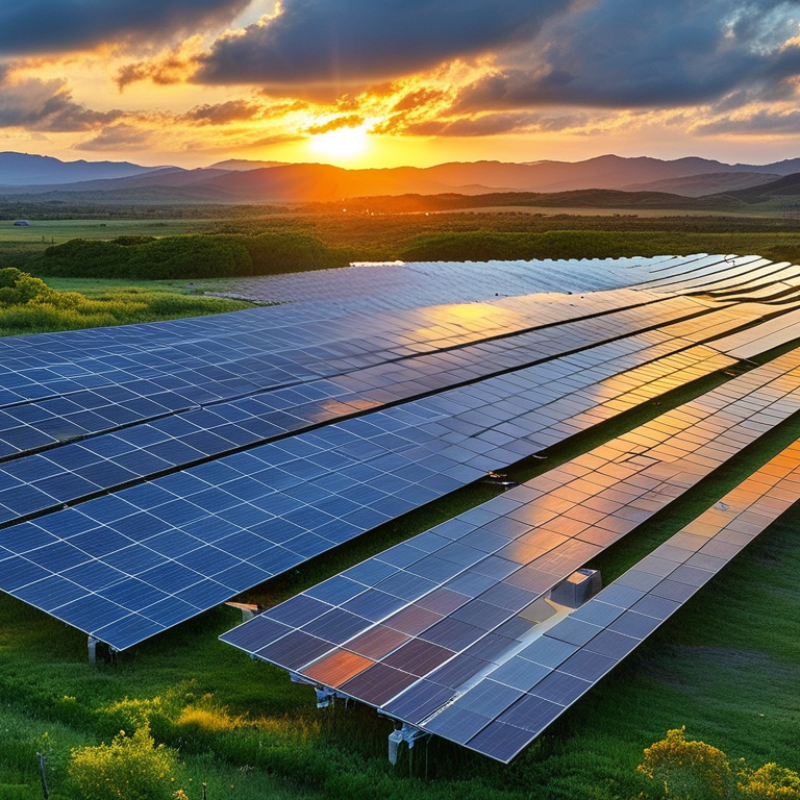
Cloudy days can be frustrating for solar energy users. Many people expect their solar panels to generate power regardless of the weather. However, clouds can hinder the amount of sunlight reaching the panels. This doesn’t mean they produce no energy; it just means the output is reduced. On a cloudy day, you might only get about 10-25% of the usual power. This can feel like a setback.
Understanding how solar panels work can help. They convert sunlight into electricity, but they require direct light for optimal performance. Even on overcast days, some sunlight penetrates the clouds. This diffuse light still allows for energy production, albeit at a lower rate. It’s useful to monitor your system’s output and understand seasonal variations. You may notice patterns in production that correlate with weather changes.
Reflecting on energy needs is also important. Do you have enough solar capacity for your lifestyle? Maybe a backup energy source is needed. Investing in battery storage can help maximize your energy use on less favorable days. Each system is unique, and users should evaluate theirs by considering local weather patterns and energy consumption habits. Cloudy days may feel dim, but they shouldn’t dim your enthusiasm for solar energy.
Cloud cover can significantly affect the efficiency of solar panels. On a cloudy day, solar panels can produce as much as 25% to 50% less energy compared to sunny days. This reduction occurs because clouds block sunlight, decreasing the amount of solar radiation that reaches the panels. A study by the National Renewable Energy Laboratory reported that solar energy production in overcast conditions can still yield reasonable outputs, maintaining up to 80% efficiency in some cases.
In optimal conditions, solar panels convert approximately 15% to 20% of sunlight into electricity. However, while on cloudy days, this conversion rate dips. The composition and thickness of clouds play a crucial role here. For instance, altostratus clouds can diffuse sunlight more evenly than thicker cumulonimbus clouds. Research shows that certain solar technologies, like bifacial panels, can utilize reflected sunlight to increase efficiency during cloudy periods.
The variability of weather can lead to unpredictable energy production. This uncertainty can impact energy planning for solar system users. Understanding how different light conditions affect solar performance is essential. Improving energy storage solutions can help mitigate these challenges, allowing for better energy use even when sunlight is limited.
Cloudy days can challenge the performance of solar energy systems. However, the impact varies depending on the type of solar panels used. There are primarily two types: monocrystalline and polycrystalline panels. Monocrystalline panels are known for their efficiency. They convert more sunlight into electricity, even in lower light conditions. This makes them a popular choice among homeowners.
On the other hand, polycrystalline panels are generally less efficient. They tend to produce less power on cloudy days. Their performance can drop significantly when light conditions worsen. It's important to recognize this difference when investing in solar technology. Even under cloud cover, solar panels can still generate some electricity, but not all panels are created equal.
Location also plays a crucial role. Areas with frequent overcast skies may need to focus on high-efficiency panels. Regular maintenance is essential too. Dirty panels can further reduce energy output. Each homeowner must assess their specific situation. Understanding the capabilities of different solar technologies is vital for maximizing energy production.
| Type of Solar Panel | Efficiency in Low Light (%) | Cost Per Watt ($) | Ideal Weather Conditions |
|---|---|---|---|
| Monocrystalline | 15 - 20 | 0.70 - 1.00 | Sunny to Partially Cloudy |
| Polycrystalline | 13 - 16 | 0.60 - 0.80 | Sunny |
| Thin-Film | 10 - 14 | 0.50 - 0.70 | Overcast to Cloudy |
| Bifacial | 15 - 22 | 0.80 - 1.10 | Sunny to Overcast |
Cloudy days can be challenging for solar power systems. The output of solar panels is directly affected by the availability of sunlight. Overcast skies scatter light, reducing the intensity that reaches the panels. This means less energy is converted into electricity.
Several factors contribute to this reduced output. Panel efficiency plays a key role. High-quality panels perform better in low-light conditions. However, even the best panels cannot generate optimal power on gray days. Additionally, the angle and orientation of the panels matter. Solar systems tilted toward the sun can capture more diffused light. Dust and debris can further hinder performance, blocking sunlight.
Weather patterns also affect solar energy production. Persistent clouds may lead to significant drops in output. This variability can be frustrating for users. Monitoring the performance on various days can provide insights. Understanding these factors can help in planning energy needs and adjusting expectations for cloudy weather.
Cloudy days can significantly reduce the power output of solar systems. On average, solar panels operate at about 20% to 25% efficiency under overcast conditions, compared to 90% on sunny days. This variability can be frustrating for homeowners relying on solar energy. However, there are several strategies to enhance your system's performance during these times.
One effective method is regular maintenance. Keeping your solar panels clean ensures that dirt and debris do not block sunlight. Studies indicate that unclean panels can lose up to 25% of their efficiency. Moreover, installing solar panels at the correct angle can optimize sunlight absorption even when it’s cloudy. Roofs facing south and at an angle of 30 to 45 degrees typically yield the best results in diverse weather conditions.
Using battery storage is another practical solution. These systems can store energy produced during sunny periods for use during cloudy days. According to the U.S. Department of Energy, integrating storage solutions can increase overall energy utilization by up to 50%. It’s essential to evaluate your energy consumption patterns to determine the optimal battery size for your needs. While these strategies may not eliminate energy dips completely, they can significantly cushion the impact of cloudy weather.
: Yes, but their output is reduced. You may get 10-25% of the usual power.
Clouds block direct sunlight, lowering energy production. Some light still penetrates.
There are mainly monocrystalline and polycrystalline panels. Each has different efficiency levels.
Monocrystalline panels perform better in low-light conditions compared to polycrystalline panels.
Yes, battery storage helps maximize energy use on cloudy days when production is lower.
Regularly check your system's output. Understand seasonal patterns linked to weather changes.
Assess factors like local weather, energy consumption, and panel efficiency before making a purchase.
Clean panels regularly. Dirt can significantly decrease energy output.
Evaluate your energy needs and local weather patterns to decide if solar is right for you.
Consider factors like weather, panel type, and maintenance. Reflect on your energy needs too.
When asking "why is my solar system not producing enough power on cloudy days," it's essential to understand how cloud cover impacts solar energy production. While solar panels can still generate electricity on overcast days, their efficiency is significantly reduced due to the scattering of sunlight. The type of solar panels used plays a crucial role in their performance under low-light conditions, with some designed to capture more diffuse sunlight than others.
Several factors can influence a solar system's output during cloudy weather, including the angle of the panels and the amount of cloud cover. Maximizing energy production on less sunny days can be achieved by ensuring optimal panel positioning and regular maintenance. By being mindful of these aspects, solar users can enhance their system's performance even in less-than-ideal weather conditions.

Vires Energy