Solar power is only as useful as the energy your battery can store safely. Many systems lose valuable charging capacity through heat, shading, poor settings, and avoidable wiring resistance. This guide explores how to optimize solar battery charging efficiency with practical methods for homes, cabins, and small commercial installations.
Real performance begins with accurate measurements. Record panel output, battery voltage, charging current, temperature, and state of charge at different times. Measure before guessing. A clean panel may still underperform when afternoon shadows cross one section. Likewise, a battery installed in a hot garage can charge less effectively and age faster. Proper ventilation and temperature compensation can make a noticeable difference.
The ten approaches in this article cover panel positioning, charge-controller selection, battery chemistry, cable sizing, charging profiles, maintenance, and energy-use timing. They reflect common recommendations from battery manufacturers, solar technicians, and electrical safety guidance. Always follow the battery maker’s voltage limits and installation instructions. Seek a qualified professional for unfamiliar wiring or high-voltage equipment.
Small changes matter. However, no single adjustment fixes every system. A lithium battery may need different settings from a lead-acid model. A cloudy climate may require more storage than a sunny one. Even monitoring data can be misleading if sensors are poorly placed or uncalibrated. Use these recommendations as a structured starting point, then review results honestly. Efficiency improves when practical observation supports technical knowledge, not when assumptions replace testing.
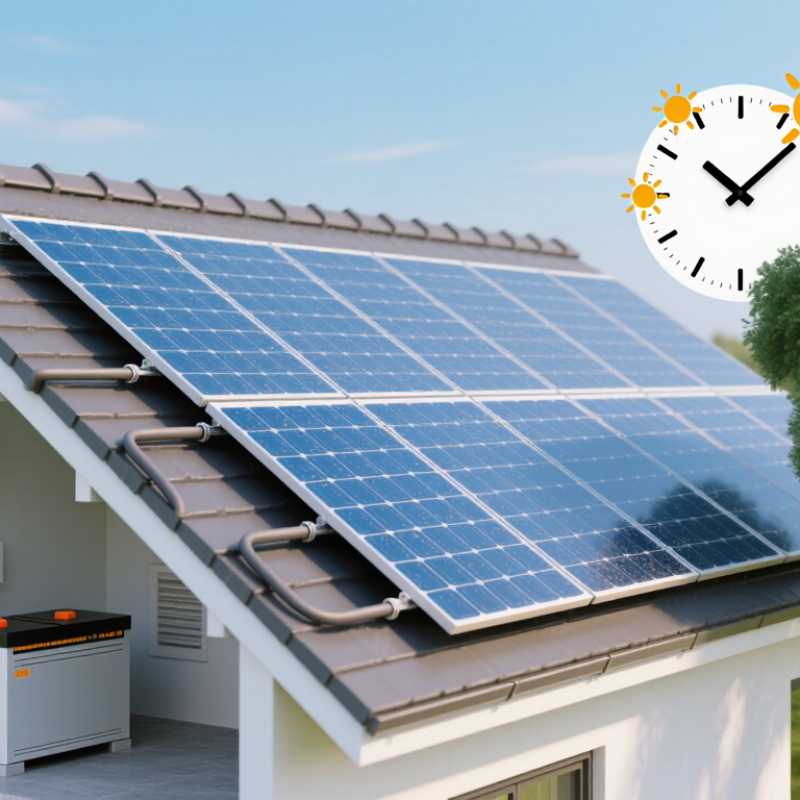
Solar battery charging begins with matching the battery, solar array, and charge controller. Each component must support the same voltage range and charging profile. Lithium, lead-acid, and other chemistries require different settings. Incorrect limits can reduce capacity or create safety risks.
Efficiency depends on energy losses at every stage. Keep panels clear of dust and partial shade, because one shaded section can reduce output sharply. Use correctly sized cables, secure connections, and a controller that tracks changing sunlight effectively. Place the battery in a dry, ventilated area with moderate temperatures. Extreme heat accelerates aging, while cold conditions can restrict charging. Check the battery’s state of charge regularly, especially when cloudy weather continues for several days. A simple energy meter can reveal whether the system meets its daily charging target.
Tips: Set charging limits according to the technical manual. Avoid charging a cold battery unless approved. Inspect cable connections for warmth or discoloration. Record morning and evening readings for one week. Small changes often expose hidden losses.
A practical goal is not maximum charging speed. It is reliable energy storage with minimal stress. Charging too aggressively may shorten service life. Charging too slowly may leave useful solar power unused. The best balance depends on household demand, seasonal sunlight, and backup requirements. Real systems rarely perform perfectly. Dust returns, temperatures shift, and consumption patterns change. Review the settings after observing actual performance, rather than trusting one calculation.
The battery, solar array, and charge controller must share compatible voltage ranges. Charging profiles must suit the battery chemistry. Incorrect settings can reduce capacity or create safety risks. Check the technical manual.
Dust and partial shade can sharply reduce panel output. One shaded section may affect the entire array. Keep panels clear. Clouds still matter.
Place it in a dry, ventilated area with moderate temperatures. Extreme heat speeds aging and reduces usable capacity. Cold conditions may restrict charging. Avoid direct sunlight.
Use an energy meter to track solar input and battery charging. Record morning and evening readings for one week. Compare results during sunny and cloudy periods. Small changes reveal hidden losses.
No. Reliable storage matters more than maximum charging speed. Aggressive charging can shorten battery life. Slow charging may waste available sunlight. The right balance depends on demand and backup needs.
Use usable energy, not only the nameplate rating. Include depth-of-discharge limits, inverter losses, temperature effects, and reserve power. A household needing 8 kWh overnight may need more than 10 kWh nominal capacity. Estimates remain imperfect.
Track voltage, current, state of charge, temperature, and daily energy losses. Compare energy entering the controller with energy reaching the battery. A sudden gap may indicate shading, loose connections, sensor drift, or cable resistance. Do not trust one dashboard number.
Inspect cables for warmth, discoloration, corrosion, and loose connections. Check ventilation during hot afternoons. Review alarms, firmware, and meter accuracy. Compare dashboard data with manual readings monthly. Perfect graphs can hide weak assumptions.
Improving solar battery performance begins with understanding how energy moves from sunlight to stored power. This guide explains how to optimize solar battery charging efficiency by evaluating local solar resources, selecting an appropriate system size, and matching battery capacity to daily energy needs. Proper panel placement, unobstructed exposure, suitable charge-controller settings, and correctly sized wiring can reduce energy losses and support more consistent charging.
The article also highlights the importance of managing battery temperature, avoiding unnecessary deep discharge, and balancing household energy loads with available solar production. Regular monitoring can reveal declining performance, wiring issues, or charging irregularities before they become serious problems. Routine maintenance of panels, controllers, connections, ventilation, and batteries helps preserve system reliability and extend service life. By combining thoughtful system design, careful energy management, and ongoing performance checks, users can capture more solar power, store it more effectively, and improve the overall efficiency of their renewable energy setup.

 Vires Energy