Why are lithium solar batteries so expensive in China, even though China dominates global battery manufacturing? The answer is less obvious than factory headlines suggest. BloombergNEF reported that average lithium-ion battery pack prices fell to $115 per kilowatt-hour in 2024, while China’s average reached about $94 per kilowatt-hour. These figures describe battery packs, not complete home energy systems. A household buyer also pays for the inverter, battery management system, cabinet, wiring, installation, testing, after-sales service, and distributor margins.
The chemistry matters. Many Chinese residential systems use lithium iron phosphate, or LFP, because it offers strong thermal stability and long cycle life. However, a safer battery still requires sensors, monitoring software, cooling design, and protective hardware. The International Energy Agency has noted that battery demand, mineral prices, manufacturing capacity, and supply-chain conditions strongly influence final costs. Prices can fall quickly, but the savings do not always reach retail customers. That is the uncomfortable part.
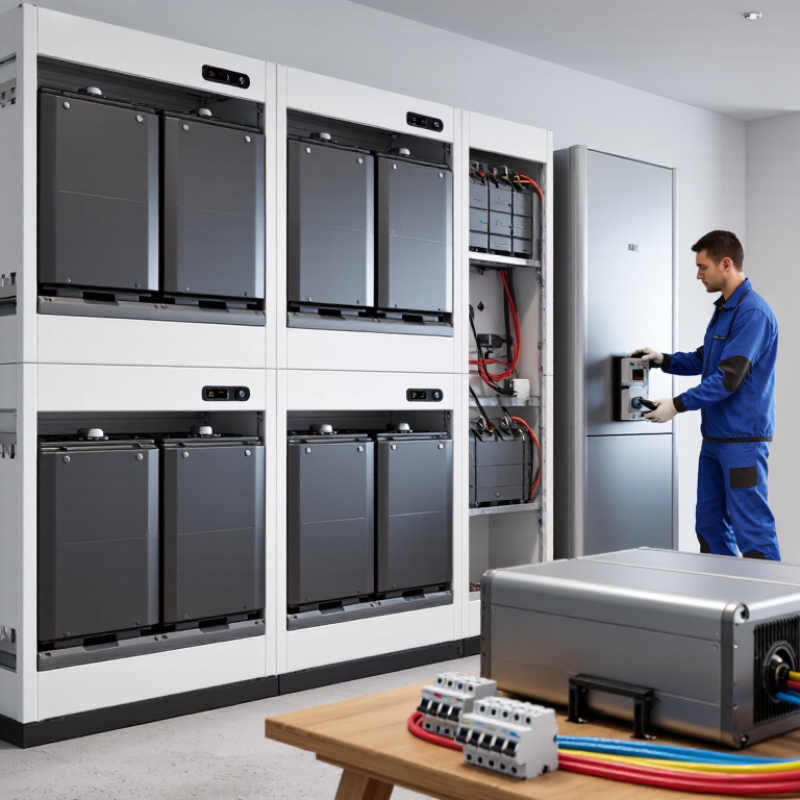
Installation is another visible cost. A wall-mounted battery may require reinforced brackets, certified cables, fire precautions, and professional commissioning. In smaller cities, lower sales volumes can increase logistics and service expenses. Currency movements and financing costs also change the final quotation. Some sellers advertise only the battery module, then add essential equipment later. That practice creates confusion.
The explanation is still incomplete. Product quality varies widely, and the cheapest quotation may exclude meaningful safety testing or warranty support. This article examines factory pricing, raw materials, system integration, certification, and market channels to explain why Chinese lithium solar batteries can feel expensive despite China’s manufacturing advantage.
Why Are Lithium Solar Batteries So Expensive in China?
Lithium solar batteries store electricity through reversible chemical reactions. Solar panels produce direct current, or DC. A charge controller regulates this power before it reaches the battery cells. During charging, lithium ions move through an electrolyte from the positive electrode to the negative electrode. During discharge, they move back and release electrical energy. An inverter then converts DC into household alternating current.
The process sounds simple. It is not. A complete system includes cells, a battery management system, sensors, cooling parts, an inverter, and protective housing. The management system balances cell voltage and limits overheating or excessive discharge. Lithium iron phosphate cells often suit solar storage because they offer strong cycle life and thermal stability. However, usable capacity still depends on temperature, charging speed, installation quality, and reserve settings.
Industry costs are falling, but retail prices remain complicated. BloombergNEF reported an average global battery-pack price of 115 dollars per kilowatt-hour in 2024, down 20% from 2023. The International Energy Agency also reported that battery manufacturing costs are generally lower in China than in Europe or North America. Yet Chinese buyers still pay for inverters, testing, transportation, installation, warranty service, and safety certification. These costs can outweigh cheap cell production. A neat explanation can still mislead. Real homes are messier. Poor ventilation, weak wiring, or incorrect software settings may reduce performance, even with high-quality cells.
Lithium solar batteries store electricity by moving lithium ions between two electrodes during charging and discharging. Although battery-cell prices have fallen significantly, a complete solar storage system also includes a battery-management system, inverter, enclosure, thermal protection, safety testing, installation, warranty, logistics, and distribution.
The chart shows widely reported annual global lithium-ion battery pack-price benchmarks in nominal USD per kWh. Finished residential systems can cost substantially more than the battery pack because of additional hardware, compliance, installation, and after-sales requirements.
The main cost begins with the battery cell, not the outer cabinet.
Lithium iron phosphate cathodes use processed lithium, iron, and phosphate materials. Lithium prices can change sharply with mining supply and refining capacity. Graphite anodes also require careful purification and coating. Small defects can reduce capacity or shorten service life.
Copper and aluminum add significant material costs. Copper carries current through busbars and cables, while aluminum appears in current collectors and housings.
Separators must be thin, strong, and heat resistant. The electrolyte needs stable chemical performance across changing temperatures. These materials may look simple, but production tolerances are narrow.
Technology adds another layer.
A solar battery needs a battery management system for voltage balancing, temperature sensing, and overcurrent protection. It may also include contactors, fuses, cooling parts, and fire-resistant barriers. Factory testing measures capacity, insulation, cycle performance, and communication accuracy. Testing takes time and rejects weak units.
Safety certification is expensive too. Manufacturers must document transport safety, electrical protection, and thermal behavior. Automated assembly improves consistency, but the equipment requires maintenance and skilled technicians.
I have seen cost comparisons overlook quality-control losses and warranty reserves. That makes some low prices look more attractive than they really are. Still, not every expensive battery is superior. Material traceability, usable capacity, installation conditions, and service support deserve closer inspection. JSImport
Why are lithium solar batteries still expensive in China when manufacturing is highly developed? The answer begins with cost structure, not factory wages. BloombergNEF’s 2024 Battery Price Survey reported an average global pack price of 115 dollars per kilowatt-hour. China reached about 94 dollars, yet that figure mainly describes battery packs, not complete solar storage systems. Prices for lithium cells, cathode materials, and safety components can change quickly. The International Energy Agency also reports strong concentration in global battery-material processing. This creates supply risks, even near major factories.
A household battery includes more than cells. Workers must match cell voltage, weld busbars, install a battery-management system, and complete insulation tests. The cabinet, cooling parts, inverter, packaging, certification, transport, installation, and warranty reserves add further costs. A small order may also lose the price advantages of mass production. On a factory floor, one failed thermal test can delay an entire batch. That cost is real.
The cheaper factory quotation is not always the cheaper system. This point is often missed. BNEF’s data shows China’s manufacturing advantage, but retail pricing also reflects distribution layers and after-sales support. Some quotations remain inflated. Others exclude installation or protection equipment. That makes comparisons imperfect, and frankly, many buyers compare unlike products.
Lithium solar batteries in China are not priced by cell materials alone. Lithium compounds, copper, separators, and aluminum casings all affect the base cost. Supply chains add another layer. A battery may pass through several processors before reaching an assembly plant. Each stage requires energy, testing, storage, and transport. Delays in minerals or electronic components can also raise production costs quickly. It is not simple.
Safety requirements create additional expenses. Reliable batteries need thermal sensors, protective circuits, strong enclosures, and carefully programmed battery management systems. These parts help control overcharging, overheating, and uneven cell performance. Manufacturers must also test batteries under heat, vibration, water exposure, and repeated charging cycles. Testing takes time. Small faults matter. Warehouses and installers may need special handling procedures, too.
Quality standards explain another part of the price difference. Serious factories maintain production records, inspect incoming cells, and test finished units before shipment. Traceability makes defective batches easier to identify, but it requires trained staff and digital systems. Independent certification and factory audits add further costs. However, a higher price does not always prove higher quality. Some buyers pay for unnecessary features, while some low-cost products reduce safety margins quietly. This is where professional judgment matters: compare usable capacity, cycle-life evidence, warranty conditions, test reports, and after-sales support rather than relying on price alone. The explanation remains imperfect, because local competition and changing policies can influence prices just as strongly as materials and standards.
Chinese lithium solar batteries often look expensive at the retail counter, but factory prices tell a different story. BloombergNEF’s 2024 Battery Price Survey reported a global lithium-ion pack average of $115 per kWh. China averaged about $94 per kWh, below the global figure. This gap reflects dense supplier networks, strong cell production capacity, and intense domestic competition.
The comparison changes after export. Freight, insurance, certification, customs handling, and local installation can add substantial costs. The International Energy Agency has also noted sharp battery price declines, but its data mainly covers cells and vehicle packs. Solar storage systems include battery management equipment, inverters, cabinets, software, and labor. These parts are not always included in quoted battery prices.
A useful field check is simple. Compare the complete installed price, usable capacity, warranty terms, and cycle life. Do not compare one factory quote with one finished household system. That mistake is common. BloombergNEF’s figures also represent market averages, not every chemistry or storage size. Small residential systems may cost more per kWh because fixed packaging and installation expenses are spread across fewer units. Chinese products can therefore be cheaper at the production stage, yet less cheap after delivery and commissioning overseas. Data needs context.
| Battery Segment | Typical Chemistry | Reference Product Level | Indicative China Price (USD/kWh) |
Indicative Global Price (USD/kWh) |
China Price Advantage | Main Cost Drivers |
|---|---|---|---|---|---|---|
| Battery Cells | Lithium iron phosphate (LFP) | Prismatic cells for stationary energy storage | $45–70 | $65–100 | Approximately 20–35% lower | Large-scale manufacturing, concentrated supply chains, lower equipment and labor costs, and strong domestic demand. |
| Residential Battery Pack | LFP | Battery module or cabinet, excluding installation | $90–160 | $140–260 | Approximately 25–45% lower | The global price usually includes additional certification, importer margins, distribution, warranty reserves, and logistics. |
| Residential Complete System | LFP | 5–15 kWh battery system with battery management system and enclosure | $180–320 | $300–550 | Approximately 30–45% lower | Inverter integration, electrical protection, local code compliance, installer labor, and after-sales service increase the delivered price. |
| Commercial and Industrial Pack | LFP | 50–500 kWh cabinet or modular pack, excluding civil works | $100–180 | $160–300 | Approximately 25–40% lower | Prices vary with power rating, fire protection, thermal management, monitoring, project engineering, and order volume. |
| Utility-Scale Battery System | LFP | Containerized 2–4 hour system, including battery-side equipment | $120–220 | $170–300 | Approximately 20–35% lower | International projects add shipping, insurance, grid studies, site construction, local integration, financing, and compliance costs. |
| Installed Utility-Scale Storage | LFP | Complete project including balance of system and installation | $180–320 | $250–450 | Approximately 15–35% lower | The battery itself is only one part of total project expenditure; land, grid connection, construction, labor, and financing can be substantial. |
It stores electricity through reversible chemical reactions. Solar panels send direct current into the battery. The battery later releases that energy for household use.
A charge controller regulates electricity from the panels. Lithium ions move between two electrodes during charging and discharging. An inverter converts stored direct current into household alternating current.
The system includes battery cells, sensors, protective housing, cooling parts, and an inverter. A battery management system balances cell voltage. It also limits overheating and excessive discharge.
Cell production may be inexpensive, but a complete system includes many added costs. Inverters, testing, transport, installation, certification, and warranty service all affect the final price. Factory quotations may exclude important equipment.
No. Manufacturing savings can disappear through distribution, installation, and after-sales support. A small order may also lose mass-production advantages. The cheaper quotation is not always the cheaper system.
Safety features help control overcharging, overheating, and uneven cell performance. Reliable systems use thermal sensors, protective circuits, and strong enclosures. Small faults matter. Poor ventilation or weak wiring can reduce performance.
They often provide strong cycle life and good thermal stability. However, actual usable capacity depends on temperature, charging speed, installation quality, and reserve settings. Chemistry alone does not guarantee performance.
Compare usable capacity, cycle-life evidence, test reports, warranty terms, and support services. Check whether installation and protection equipment are included. Price alone can mislead. This comparison is still imperfect because policies and local competition change.
Lithium solar batteries store electricity through electrochemical reactions, allowing solar energy to be used when sunlight is unavailable. Their high price in China is influenced by the cost of advanced materials, including lithium-based cathodes, protective separators, electrolytes, battery management systems, and durable enclosures. Different technologies also affect performance, lifespan, charging speed, and safety, which can significantly change the final cost.
To understand why are lithium solar batteries so expensive, it is also necessary to consider manufacturing and supply-chain factors. China has a strong production network, but prices are still affected by raw-material fluctuations, energy consumption, labor, equipment investment, transportation, and quality-control procedures. Strict safety testing and certification add further expenses because manufacturers must reduce risks such as overheating and early performance loss. Compared with many international markets, Chinese prices can be competitive due to large-scale production and efficient supply chains, although premium products with higher safety, reliability, and service standards may remain relatively expensive.

Vires Energy