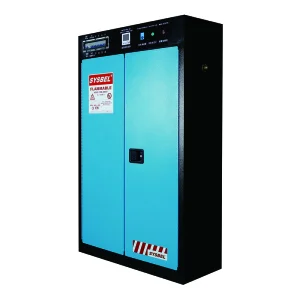
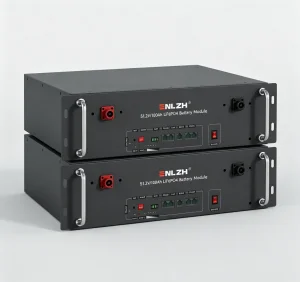
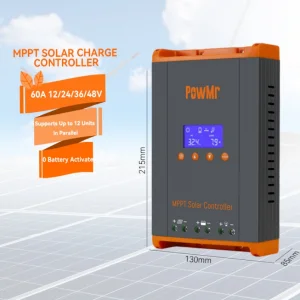
Explore our premium hybrid solar energy storage modules, smart MPPT charge controllers, and integrated high-efficiency lithium battery systems optimized to sustain uninterrupted solar pumping operations.
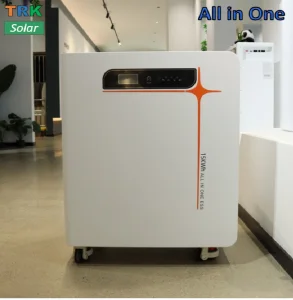
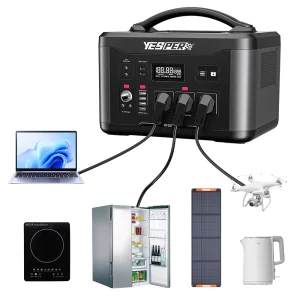
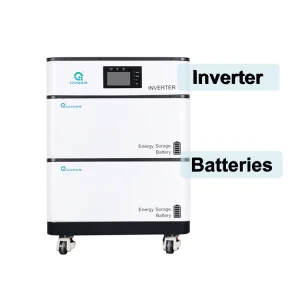
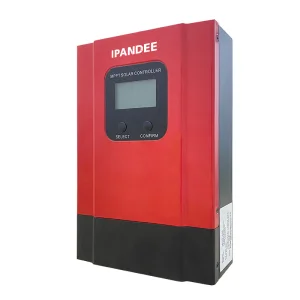
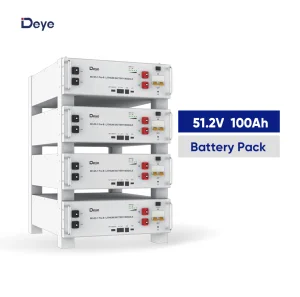
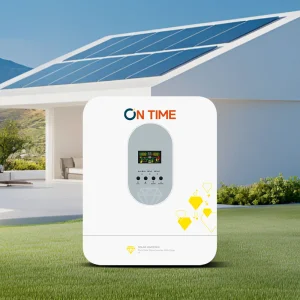
Solar-powered water pumping has shifted from niche agricultural aid projects to a primary pillar of global off-grid utility infrastructure.
Faced with volatile fuel costs and carbon taxes, municipal agencies and large-scale agricultural enterprises are transitioning to solar water pumping systems. By replacing diesel generators with solar arrays, operators secure self-sustaining, long-term water access for remote communities, mining fields, and intensive agricultural zones.
Jiangsu Vires Energy Co., Ltd. provides the critical electronic core for these setups: advanced off-grid energy storage, ultra-efficient MPPT charge controllers, and hybrid storage modules. These components keep pumps running at optimal speed, regardless of cloud cover or dynamic head resistance.
Initial installation costs are offset by eliminating constant diesel purchasing, logistics, and engine maintenance. Systems pay for themselves within 2 to 3 years.
Modular solar energy hubs can scale from small pasture stock pumps to large-scale deep-well pumps serving hundreds of rural hectares without grid reliance.
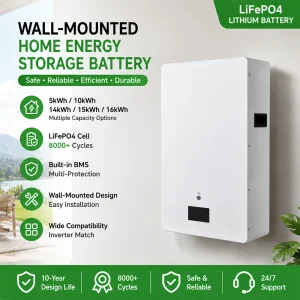
Adding high-voltage lithium battery storage allows system operators to pump water through the night, stabilizing flow rates even in challenging weather.
Years of R&D and Manufacturing Expertise
Aging & Cell Balancing Verification
Warranty on All Energy Storage Systems
Battery Cycles at 80% Depth of Discharge
Providing the underlying clean power architecture for global industrial pumping projects.
Jiangsu Vires Energy Co., Ltd. is a leading manufacturer specializing in home and commercial solar power systems, with nearly 20 years of experience in the renewable energy industry. Recognized as one of the top manufacturers in China, we have established branch offices and after-sales service centers in key global markets, including Pakistan, South Africa, Germany, the Netherlands, and the USA.
Our infrastructure power solutions ensure that solar water pumps run continuously. From deep-well submersible systems to high-flow surface pumps, our hybrid inverters and MPPT solar controllers manage fluctuating solar output to protect pumps from voltage spikes and dry-running conditions.
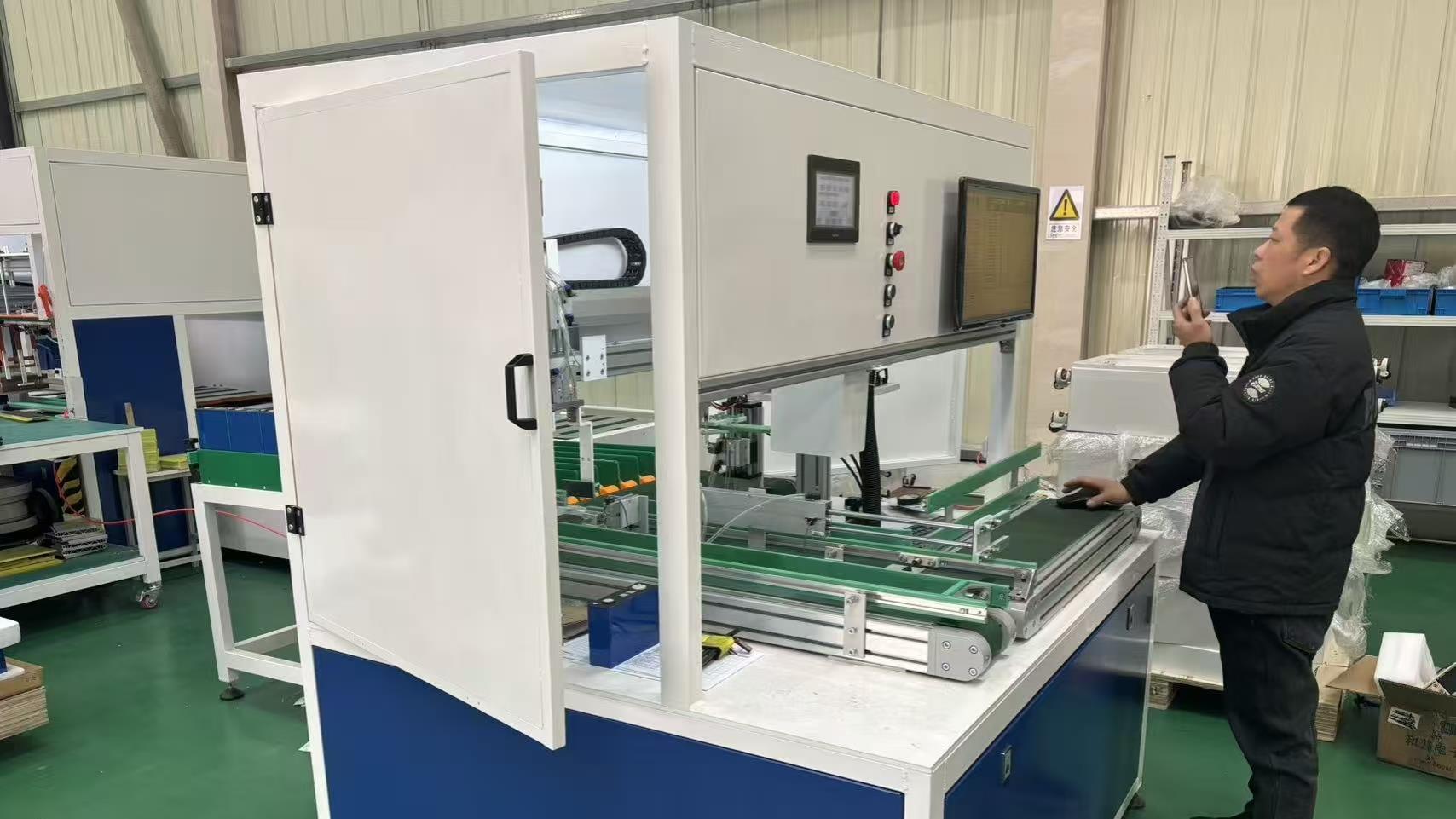
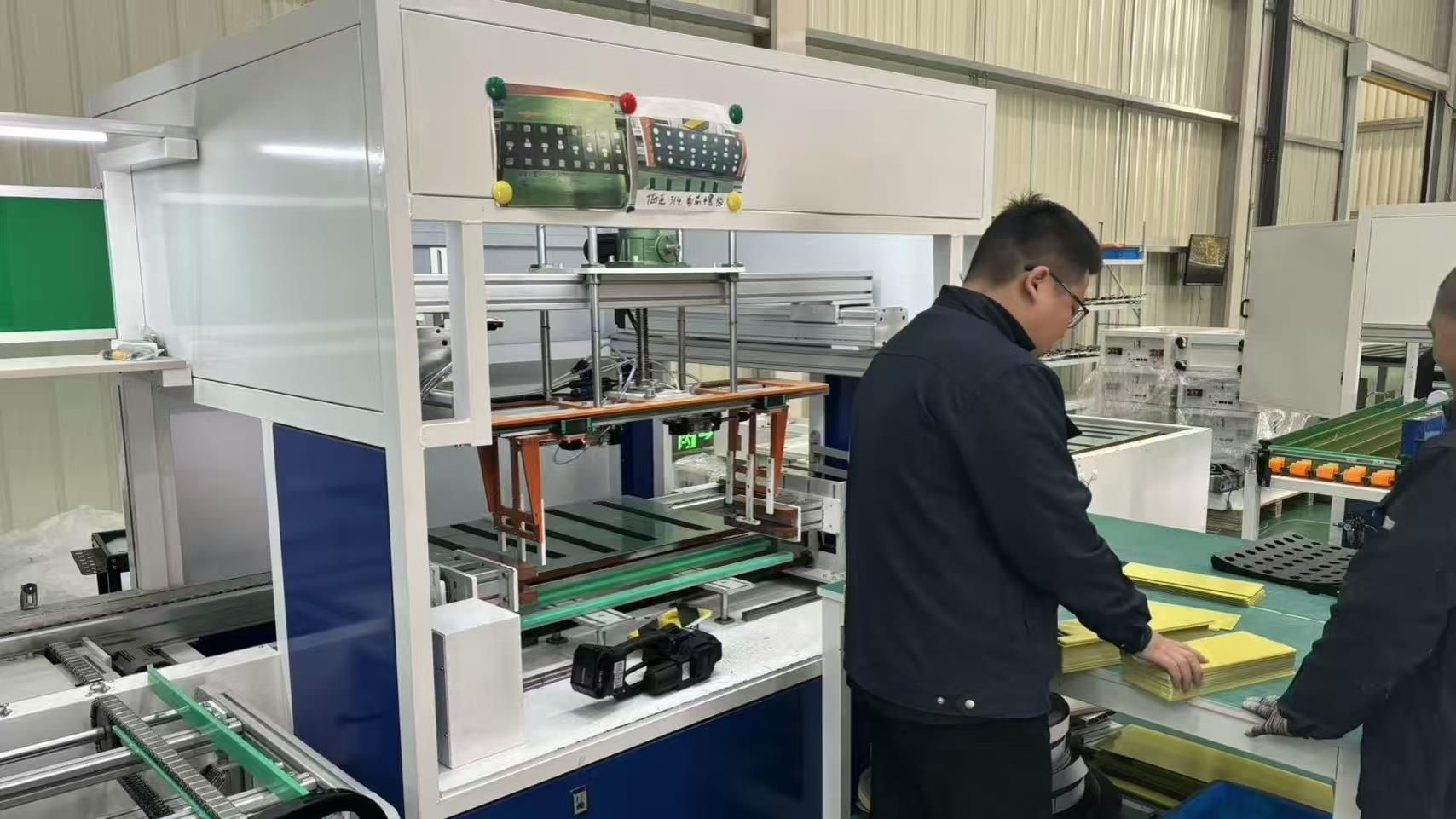
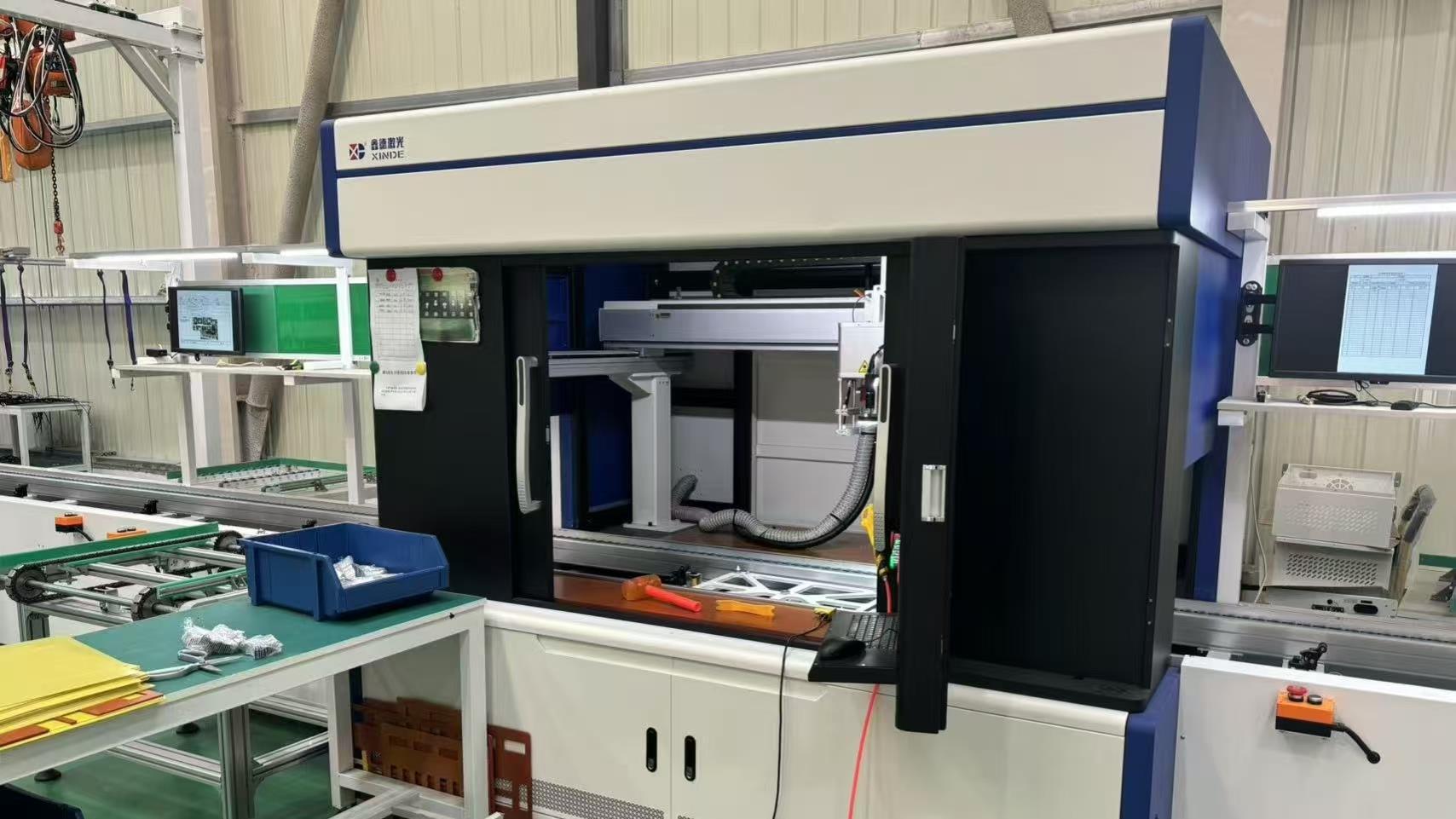
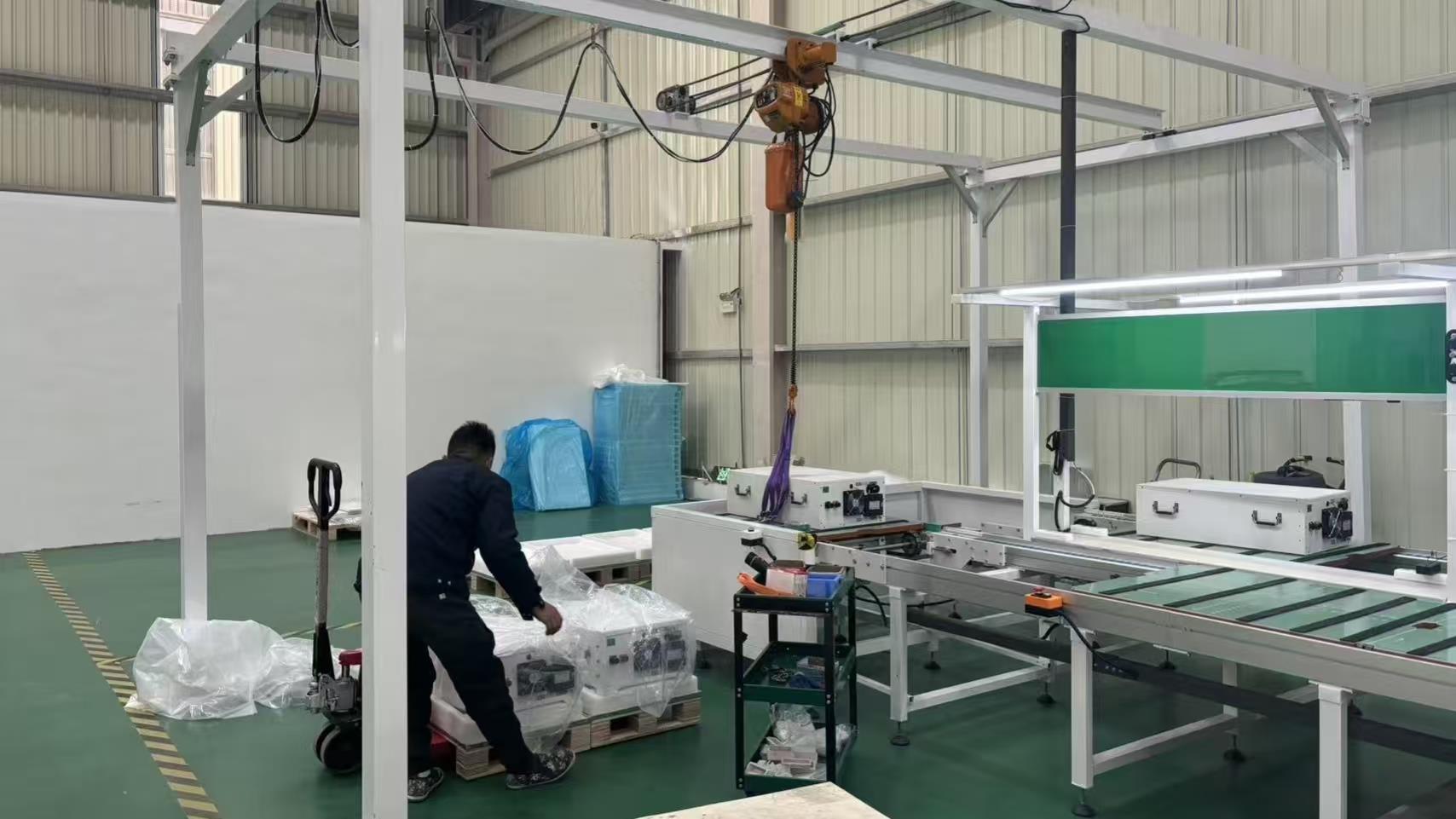
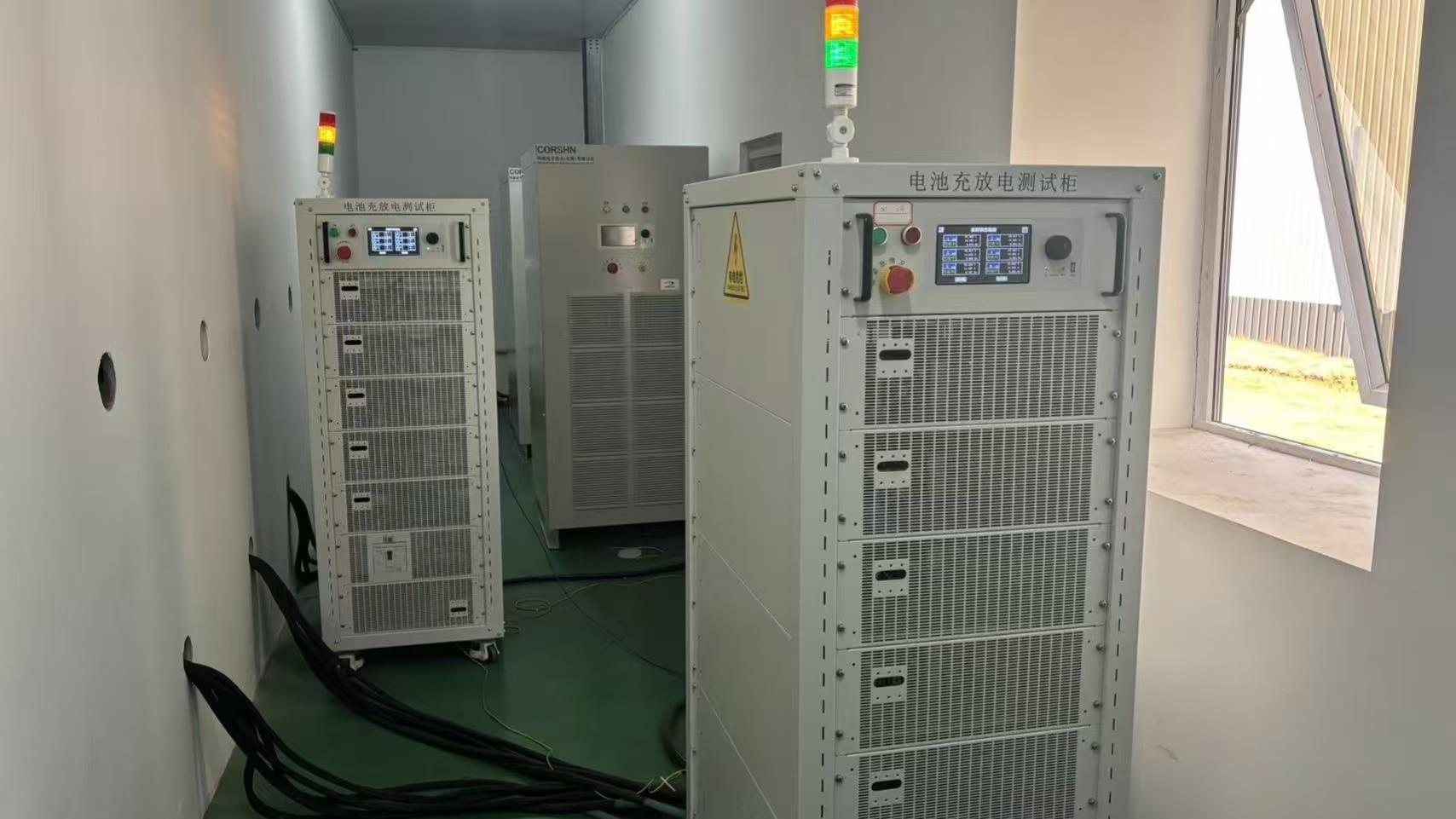
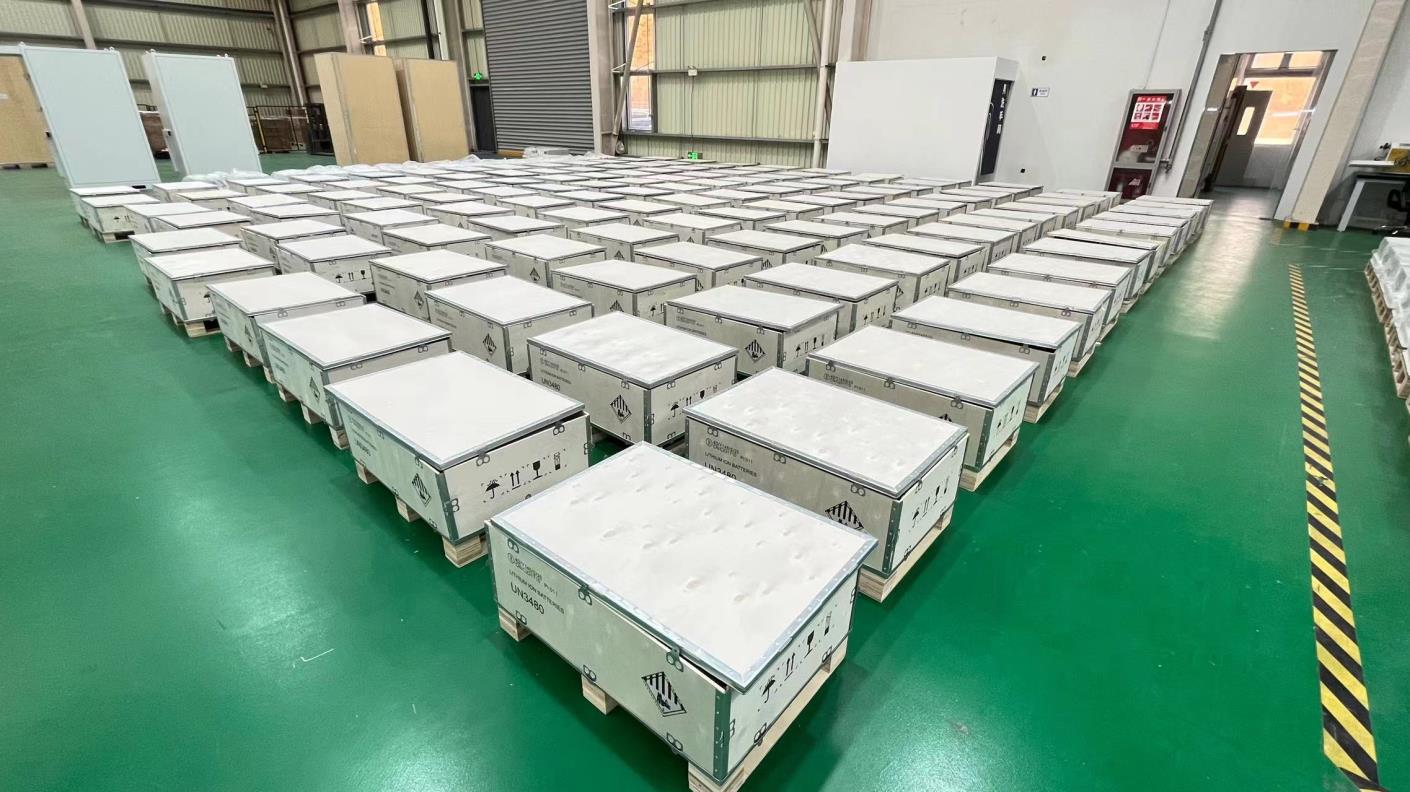
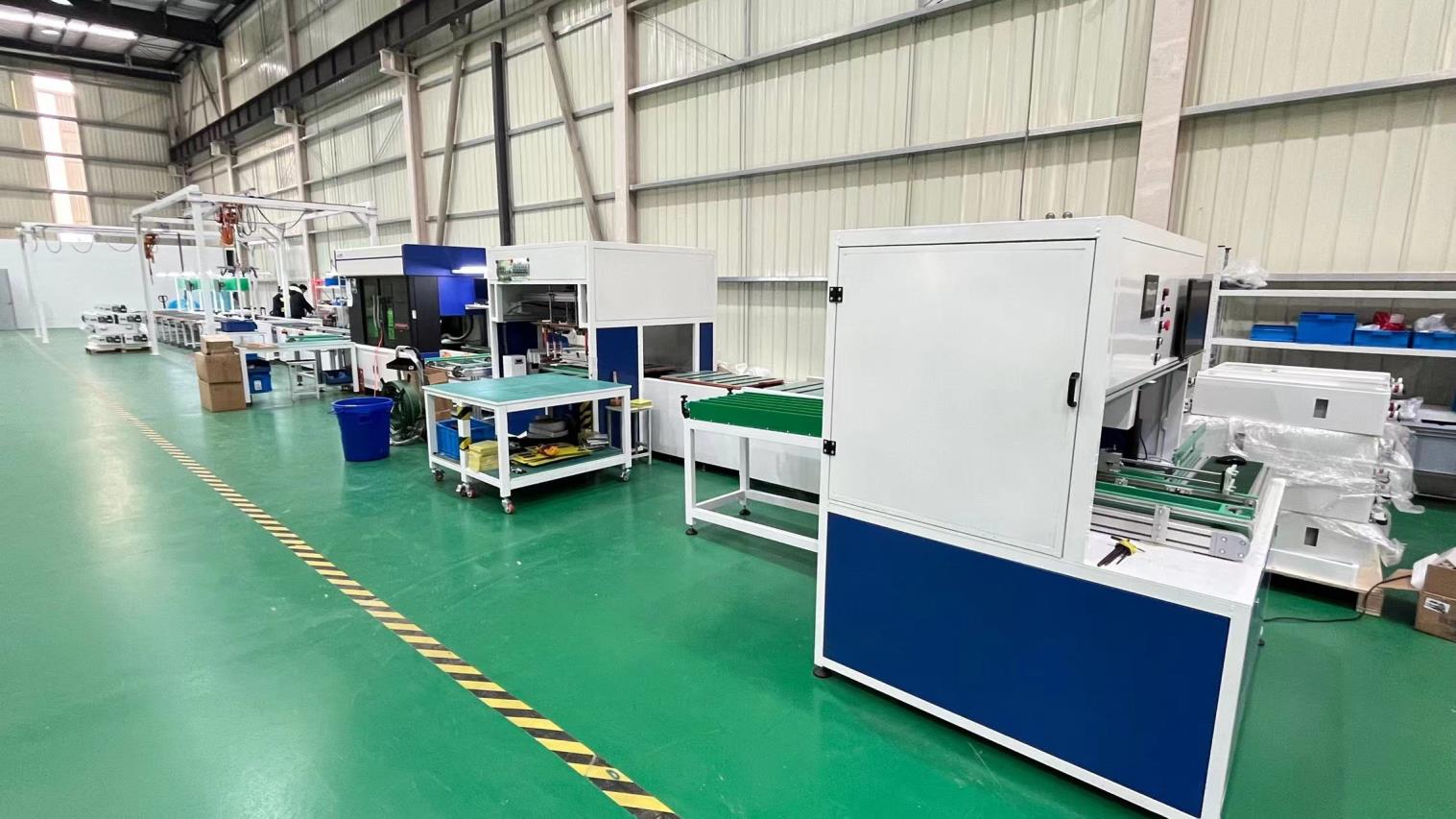
Take a look inside our high-tech facility, where our components are assembled, tested, and certified for heavy-duty deployments.
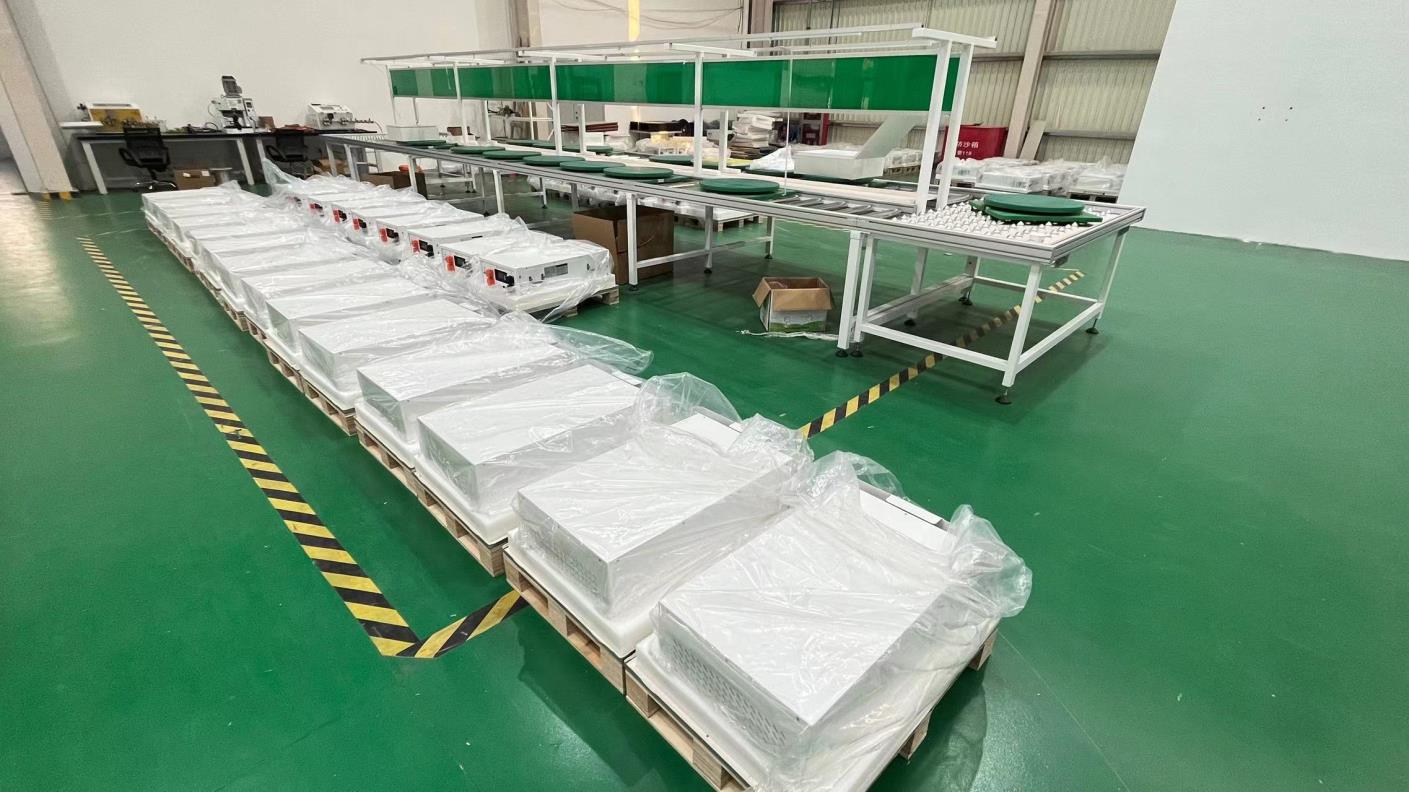
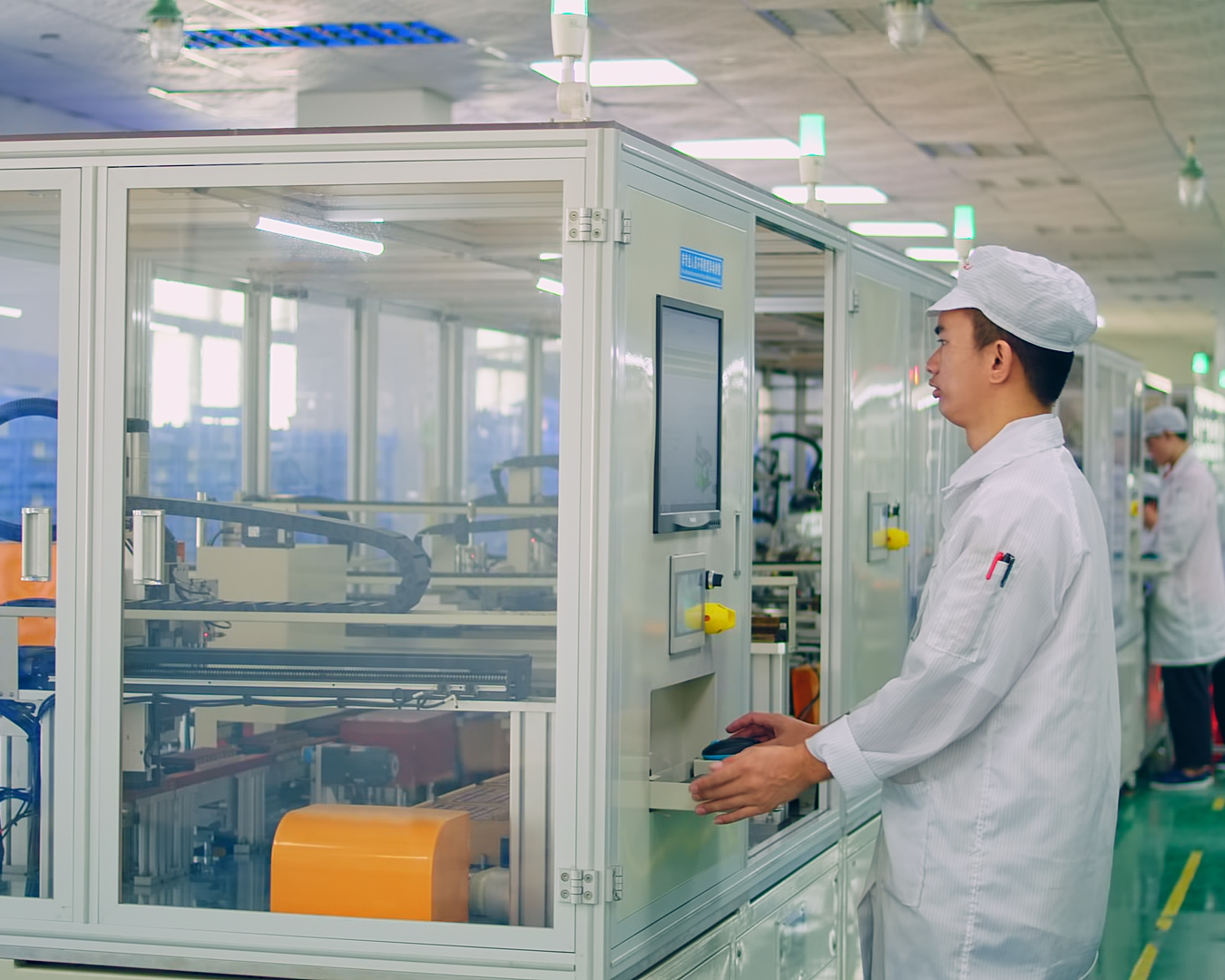

How modern agricultural, industrial, and local operations utilize our solar energy systems to power water logistics.
Large-scale drip irrigation requires steady water pressure. Our hybrid storage modules run high-volume brushless DC submersibles continuously, preventing crop stress in arid zones during cloud transitions.
In locations where the grid is miles away, automated solar surface pumps draw groundwater for cattle troughs. Built-in battery backups ensure animals have access to water overnight and during storms.
Off-grid clean water initiatives utilize high-efficiency PV arrays coupled with industrial solar controllers. This setup powers municipal deep-well pumps, providing water to overhead tanks for distribution.
Building a solar-powered water pumping system involves more than matching a pump motor with a few PV panels. Achieving efficiency requires a system-level understanding of water flow, power dynamics, and mechanical load. This whitepaper explains the design decisions needed to build a durable, high-efficiency solar water pumping system.
The foundation of any pumping system is the Total Dynamic Head (TDH) and the required flow rate ($Q$). TDH calculated the vertical elevation lift plus pressure drops caused by friction losses in pipes and fittings. Submersible pumps working in deep aquifers require precise calculations to avoid overloading the motor or underperforming the well's capacity.
When using solar power, TDH varies with solar irradiance. During low-sunlight hours, the voltage generated by PV arrays drops, which lowers the pump motor speed. To keep the pump running efficiently without stalling, the system needs variable frequency drives (VFD) and intelligent solar charge controllers. These controllers adapt the motor's power demand to the available solar input.
Maximum Power Point Tracking (MPPT) is key to maximizing energy yield in solar pumping systems. Standard solar systems feed power to a stable battery grid, but solar pumps convert solar energy directly into kinetic energy. Without a battery buffer, fluctuations in sunlight affect the water flow rate.
Modern MPPT solar controllers continuously adjust the system's operational voltage to find the optimal power output. Under high irradiance, the system runs at full speed to maximize flow. Under low light, the controller reduces the motor frequency to keep the pump running efficiently instead of stopping altogether. This ensures consistent water delivery throughout the day.
While direct-solar pumping works well for daytime tasks, it cannot support processes that require 24/7 water supply, such as continuous industrial cooling, overnight livestock watering, or precise agricultural schedules. Integrating a battery storage system solves this issue.
By routing solar energy through a charge controller to a lithium iron phosphate (LiFePO4) battery bank, excess daytime energy is stored. The system can then power the pump overnight or during prolonged cloudy weather, protecting crops or processes from water shortages.
Essential insights for engineers, distributors, and procurement teams source solar water pump solutions.
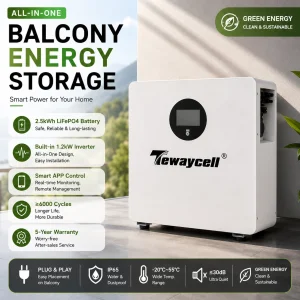
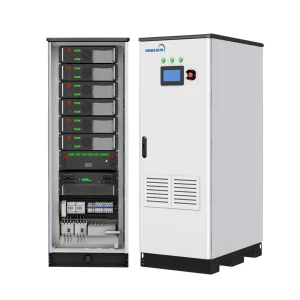
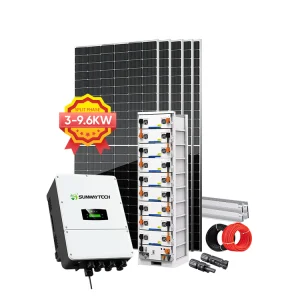
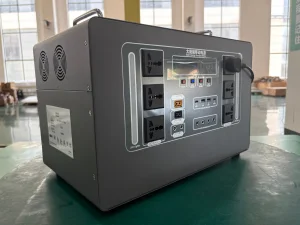
Browse our full range of solar power systems, battery packs, and intelligent power management accessories designed for off-grid operations.
 Vires Energy