Engineered to the highest specifications under strict ISO9001 and ISO14001 certification frameworks, ensuring system longevity and seamless grid integration.
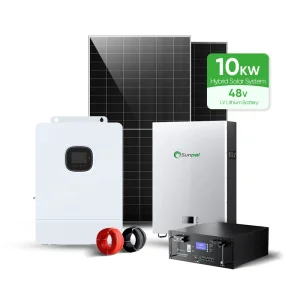
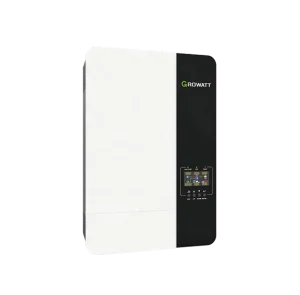
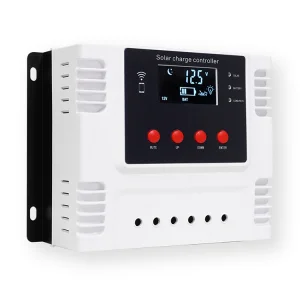
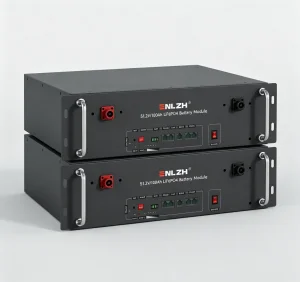
A global pioneer in residential and commercial energy storage, combining standard-setting engineering with local support networks across five continents.
Jiangsu Vires Energy Co., Ltd. is a leading manufacturer specializing in home solar power systems with nearly 20 years of experience in the renewable energy industry. We are recognized as one of the top manufacturers in China and have established branch offices and after-sales service centers in key global markets, including Pakistan, South Africa, Germany, the Netherlands, and the USA. By investing in vertical manufacturing integration and state-of-the-art diagnostic laboratories, we bridge the gap between initial unit manufacturing and lifetime solar battery maintenance.
"Sustainable systems do not end at installation. Real-world resilience relies on precision cell sorting, continuous thermal monitoring, and structural integrity that allows systems to survive harsh environments without early capacity fade."
Strategic analysis of technological shifts that minimize lifecycle costs and maximize energy retention.
Modern LFP systems rely on active balancing to redistribute charges across cells. This cuts down cell-to-cell degradation and prevents premature module replacement.
Integrating cloud analytics allows system administrators to monitor internal resistance, temperature fluctuations, and discharge curves before issues develop into hardware failures.
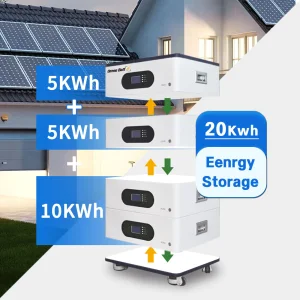
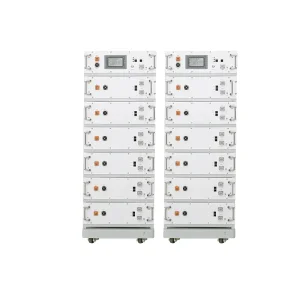
Modern commercial infrastructure demands stackable, field-serviceable power walls where individual cells or modules can be hot-swapped without taking the entire micro-grid offline.
As solar energy storage scales globally, maintaining battery performance across an expected 10 to 15-year lifecycle is a major challenge for operators. Solar battery maintenance is no longer just about external cleaning and checkups; it requires managing chemical state-of-health (SOH), state-of-charge (SOC) balance, thermal profiles, and mechanical connections. China’s advanced solar factories lead this space by building maintenance-friendly technologies directly into the manufacturing phase.
Lithium Iron Phosphate (LiFePO4) has become the standard for stationary energy storage due to its safety and long cycle life. At Jiangsu Vires Energy Co., Ltd., our cell manufacturing and matching lines ensure that cell mismatching is minimized from day one. Cell mismatching is a leading cause of early battery pack failures. When cells have different internal resistances, they charge and discharge unevenly, leading to rapid capacity loss. Using automated sorting processes, we match cells within precise voltage and capacity ranges to minimize maintenance requirements over the lifetime of the pack.
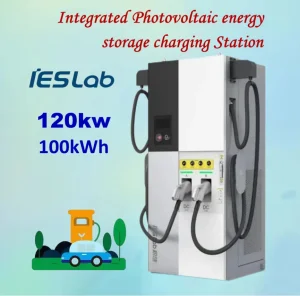
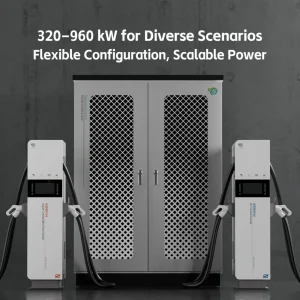
Excessive heat and physical stress are major causes of battery degradation. Operating batteries outside their optimal temperature range (15°C to 30°C) accelerates solid electrolyte interphase (SEI) layer growth, which traps active lithium ions and lowers overall capacity. Our manufacturing process uses automated extrusion and precision laser welding to build robust physical structures that support both natural air ventilation and integrated active cooling. This design helps prevent localized hot spots, securing system reliability even under high-load applications like commercial EV charging stations.
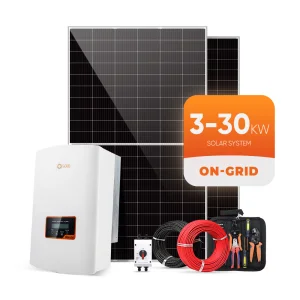
For large-scale utility, commercial, and industrial projects, battery maintenance strategies must integrate with existing Energy Management Systems (EMS). Our complete systems, ranging from 5-30KW residential setups to complex microgrids, use open communication protocols (such as Modbus and CAN) to connect with third-party software. This allows operators to run remote diagnostic cycles, balance cells, and disconnect individual modules if a thermal anomaly is detected, minimizing system downtime.
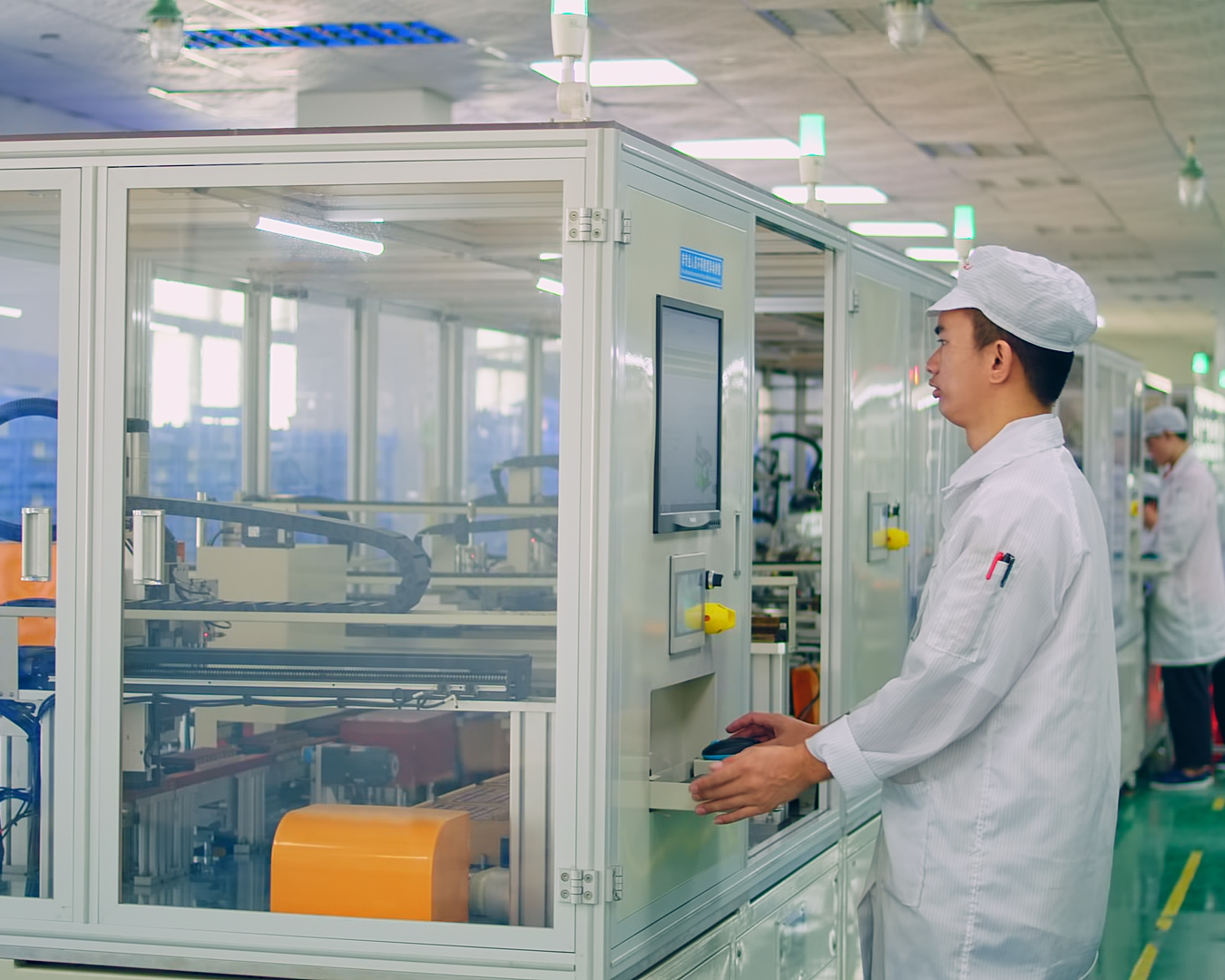
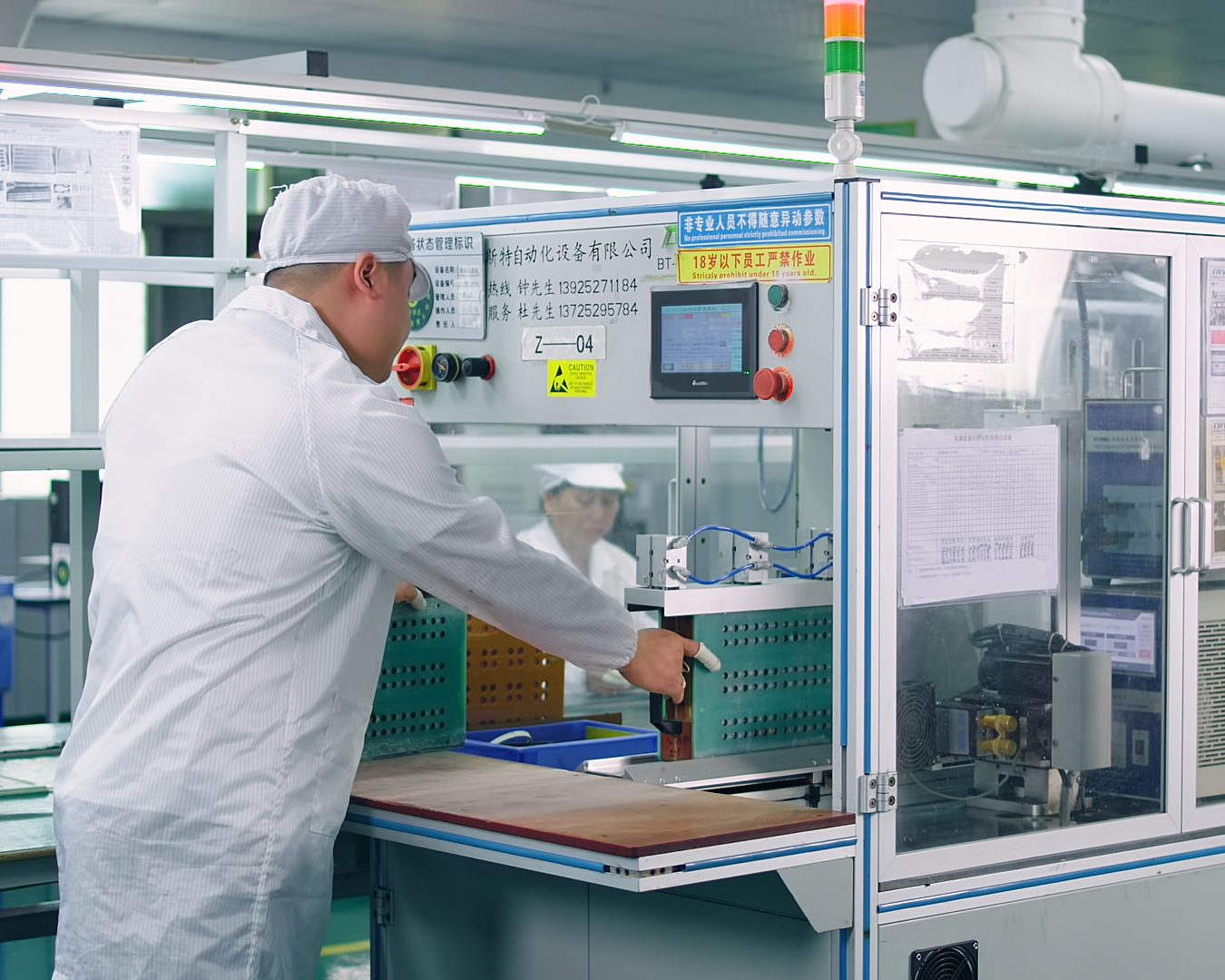
Step-by-step visual overview of our industrial quality assurance process at the Jiangsu Vires Energy plant.
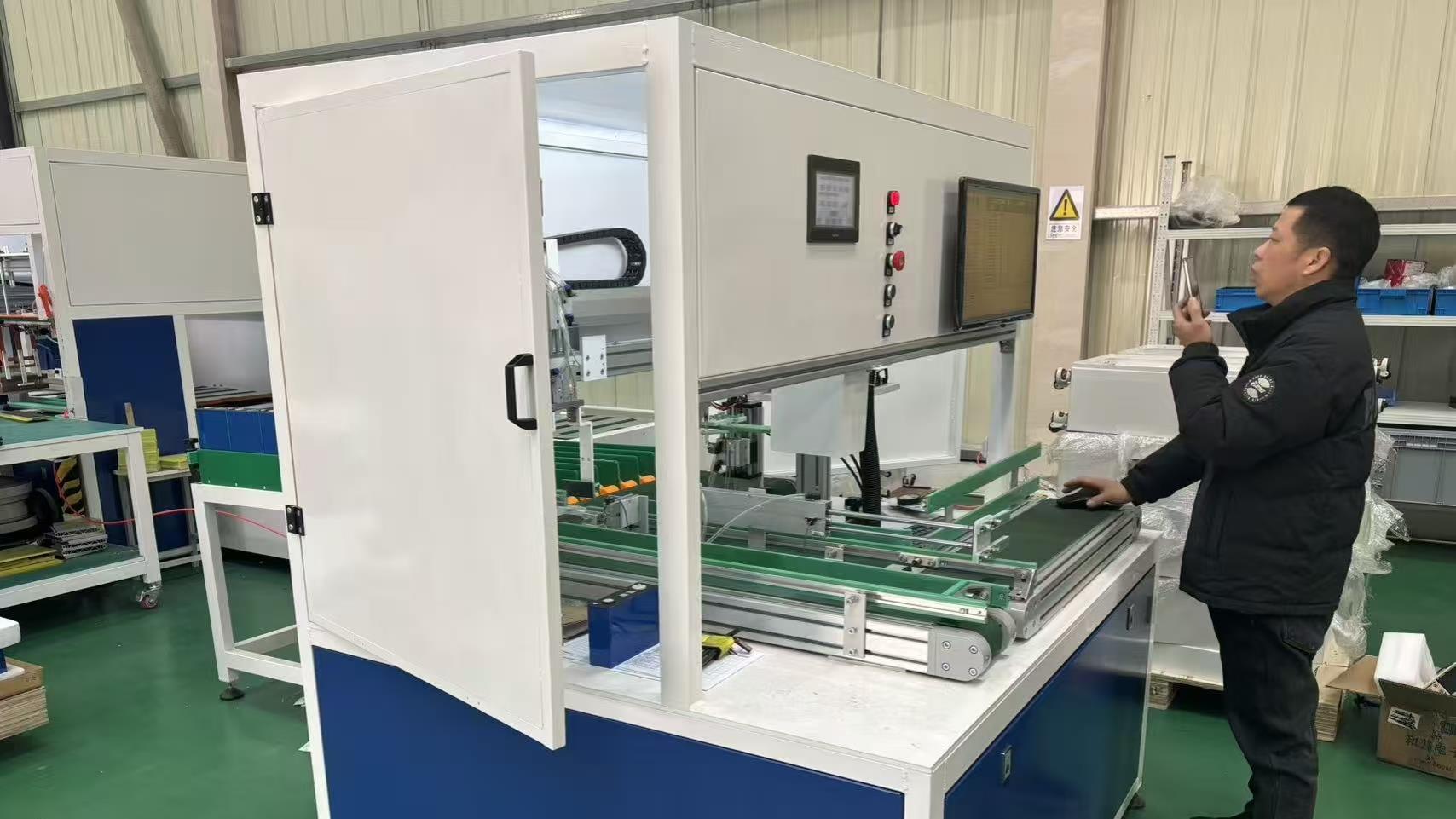
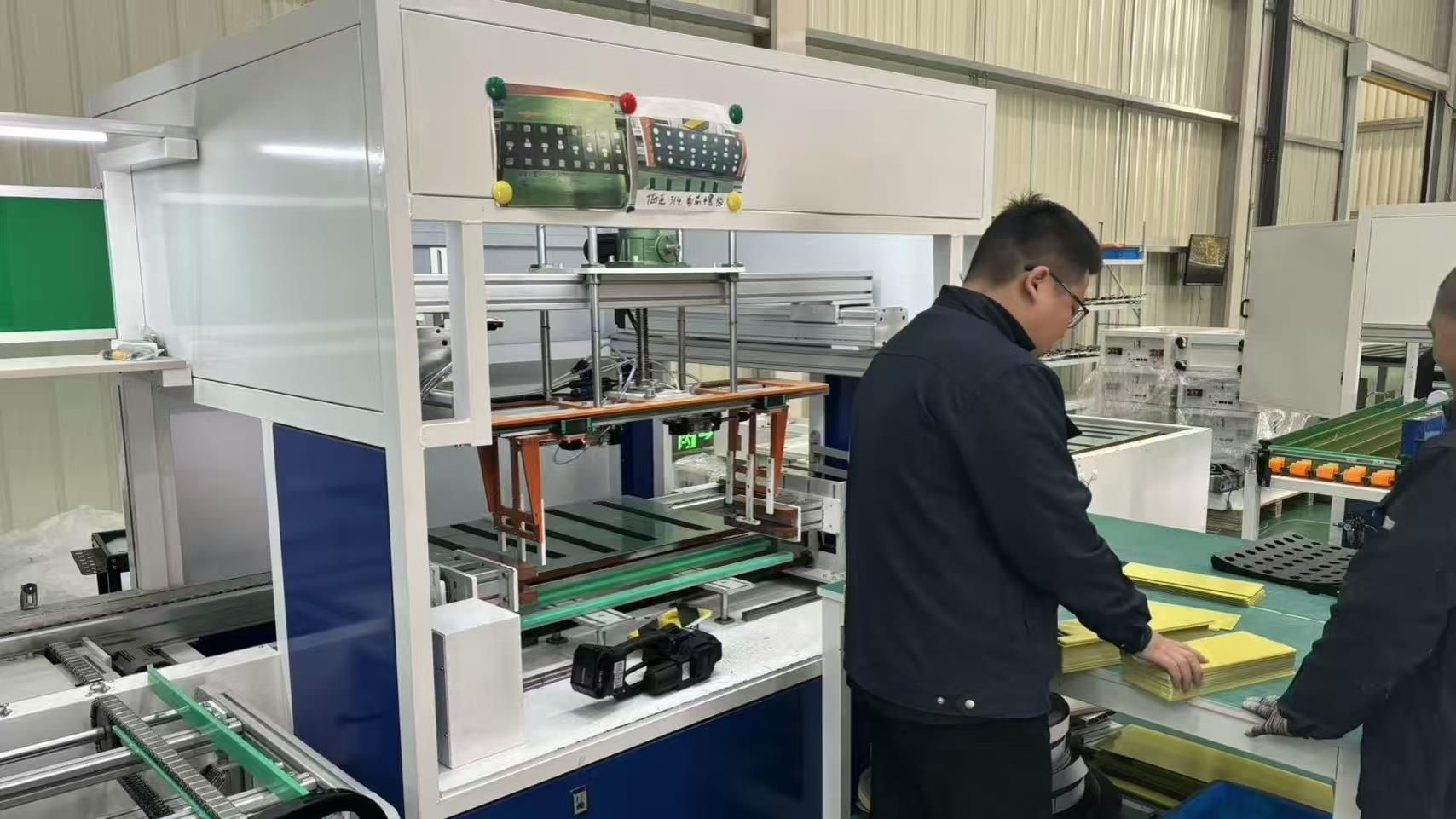
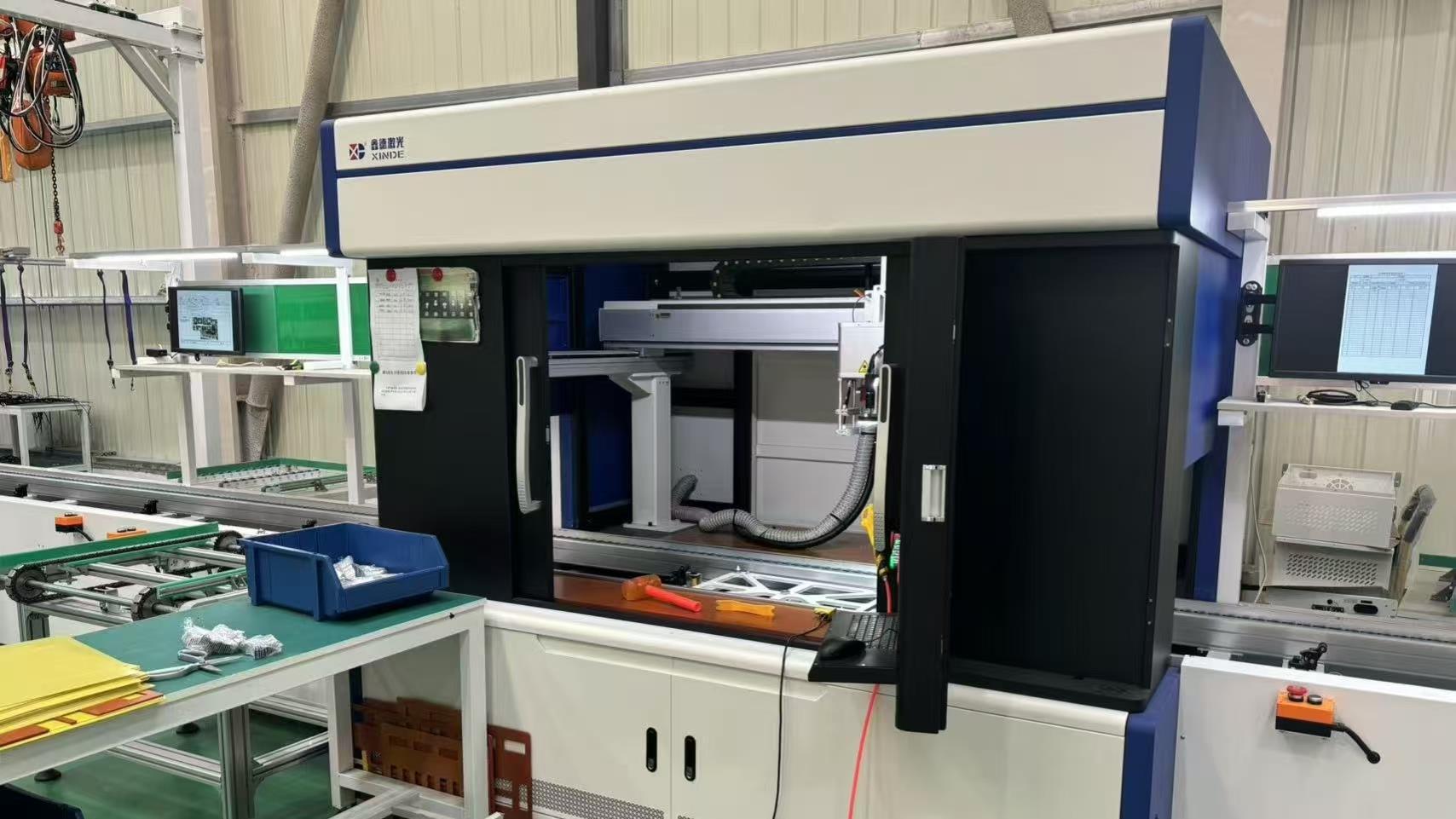
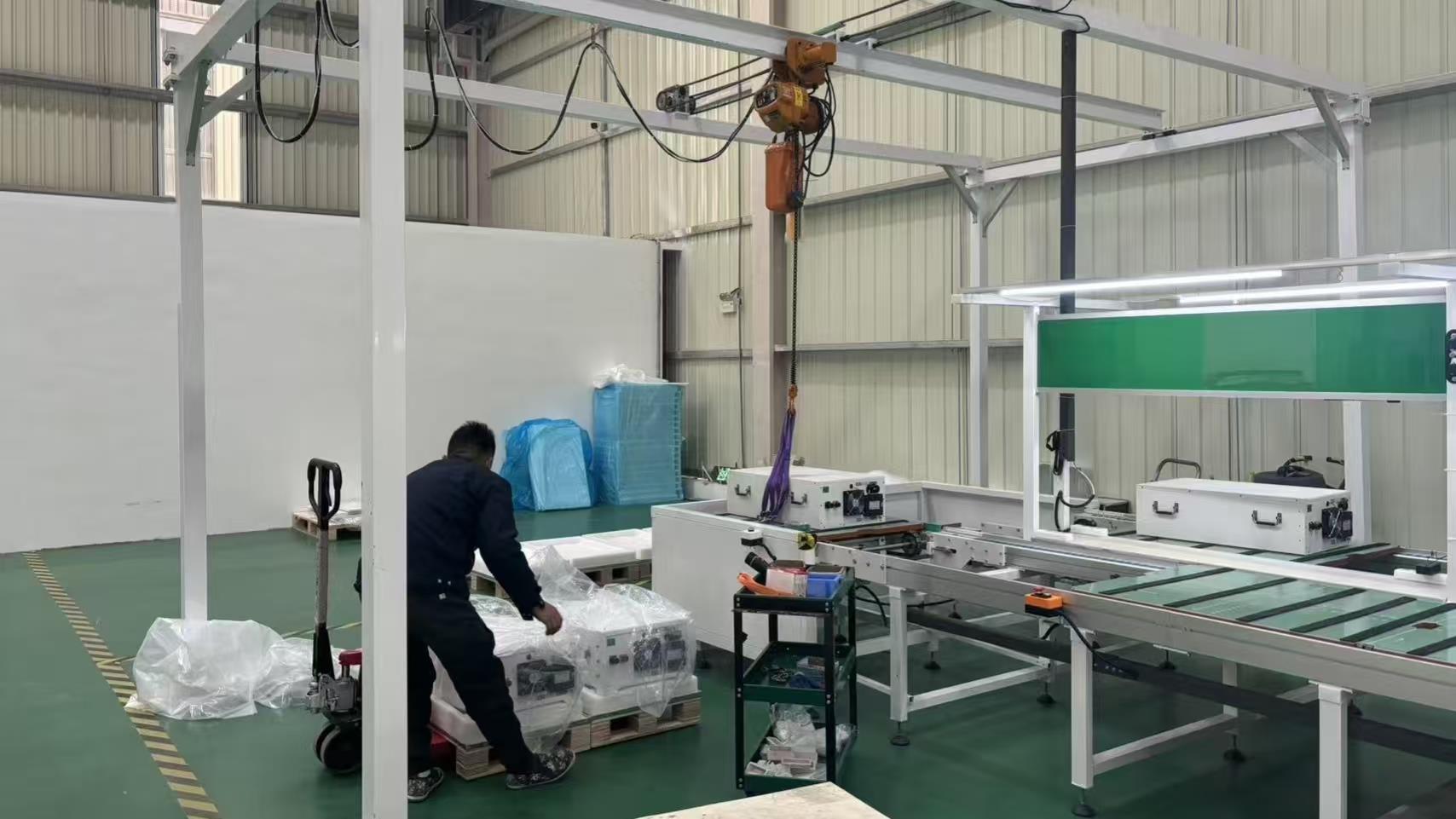
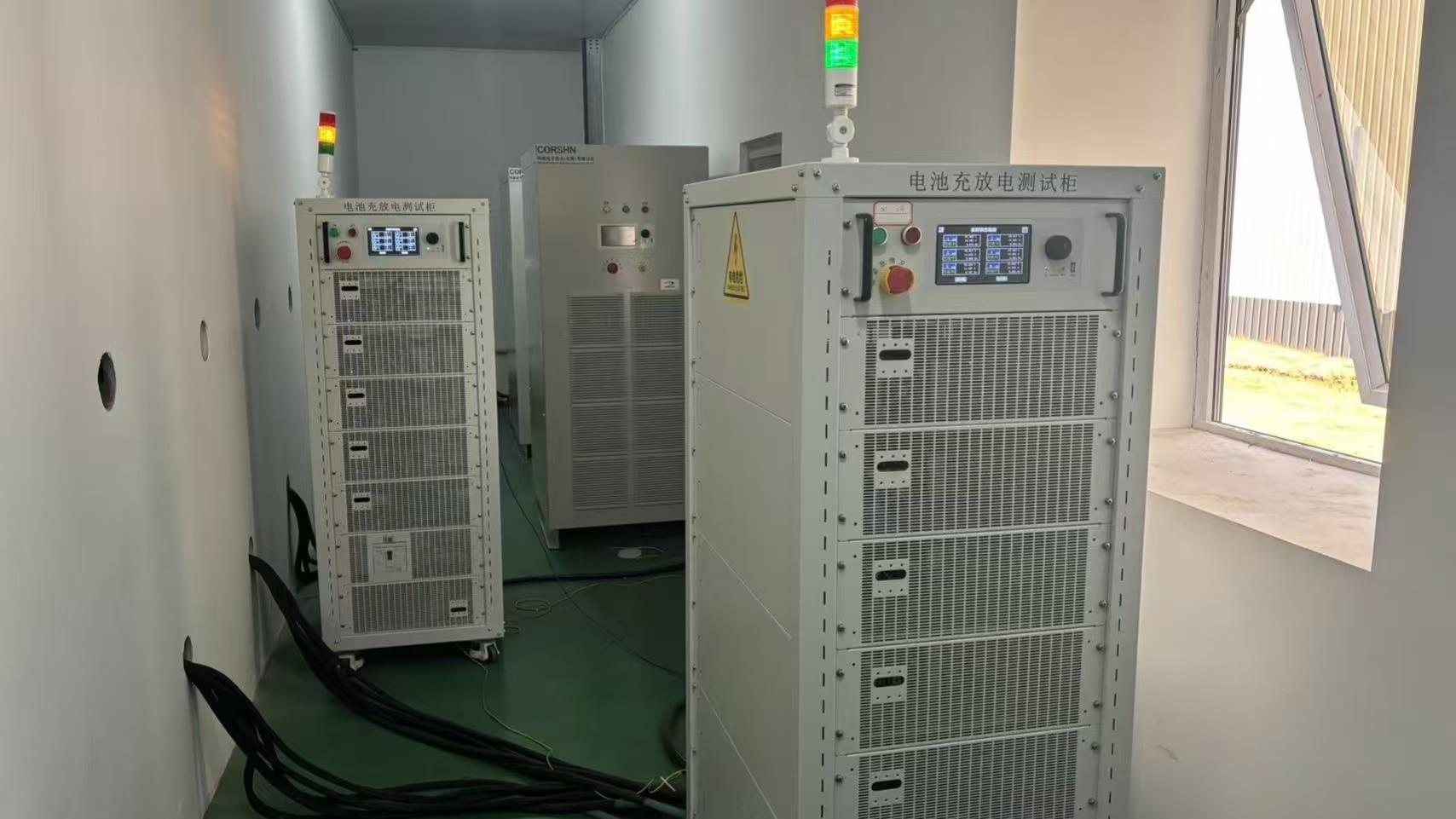
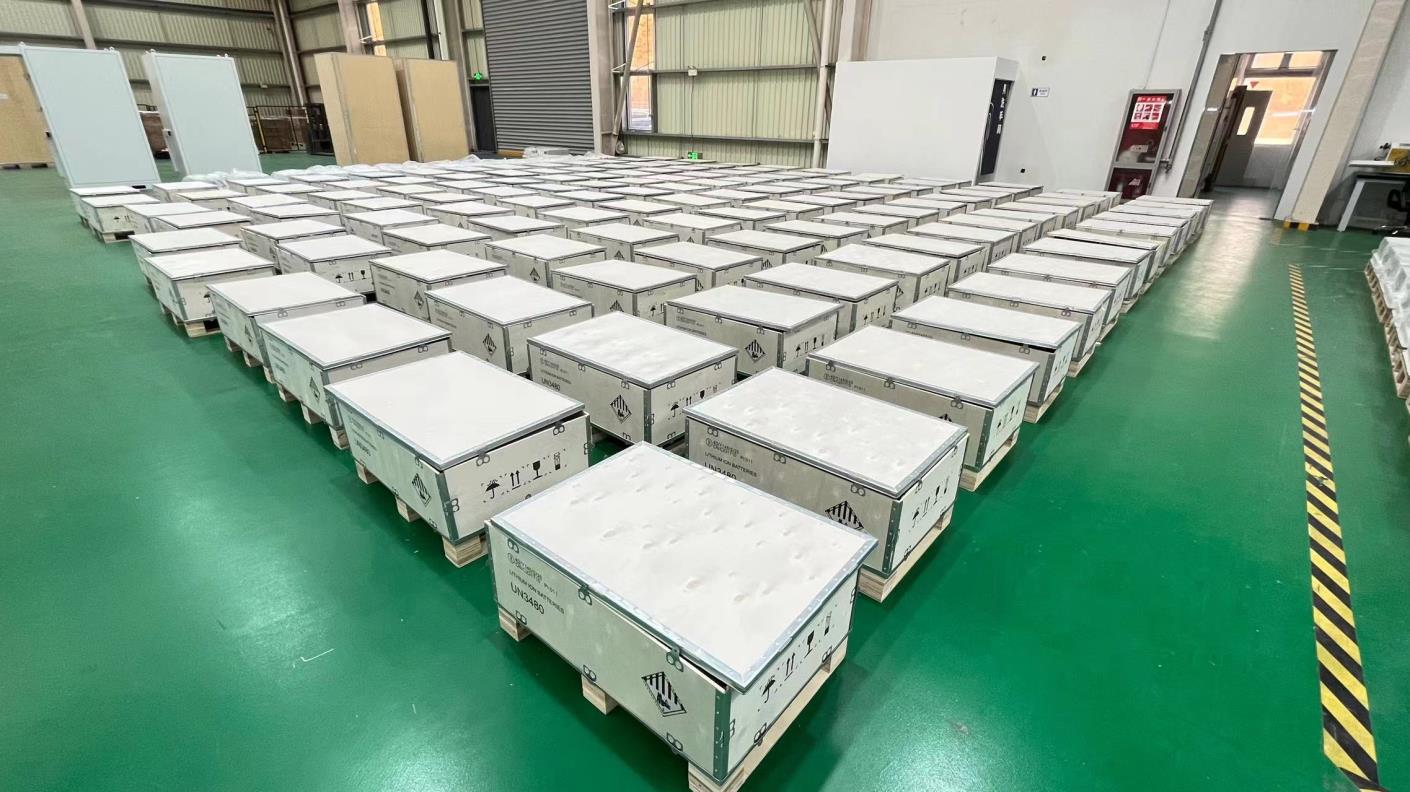
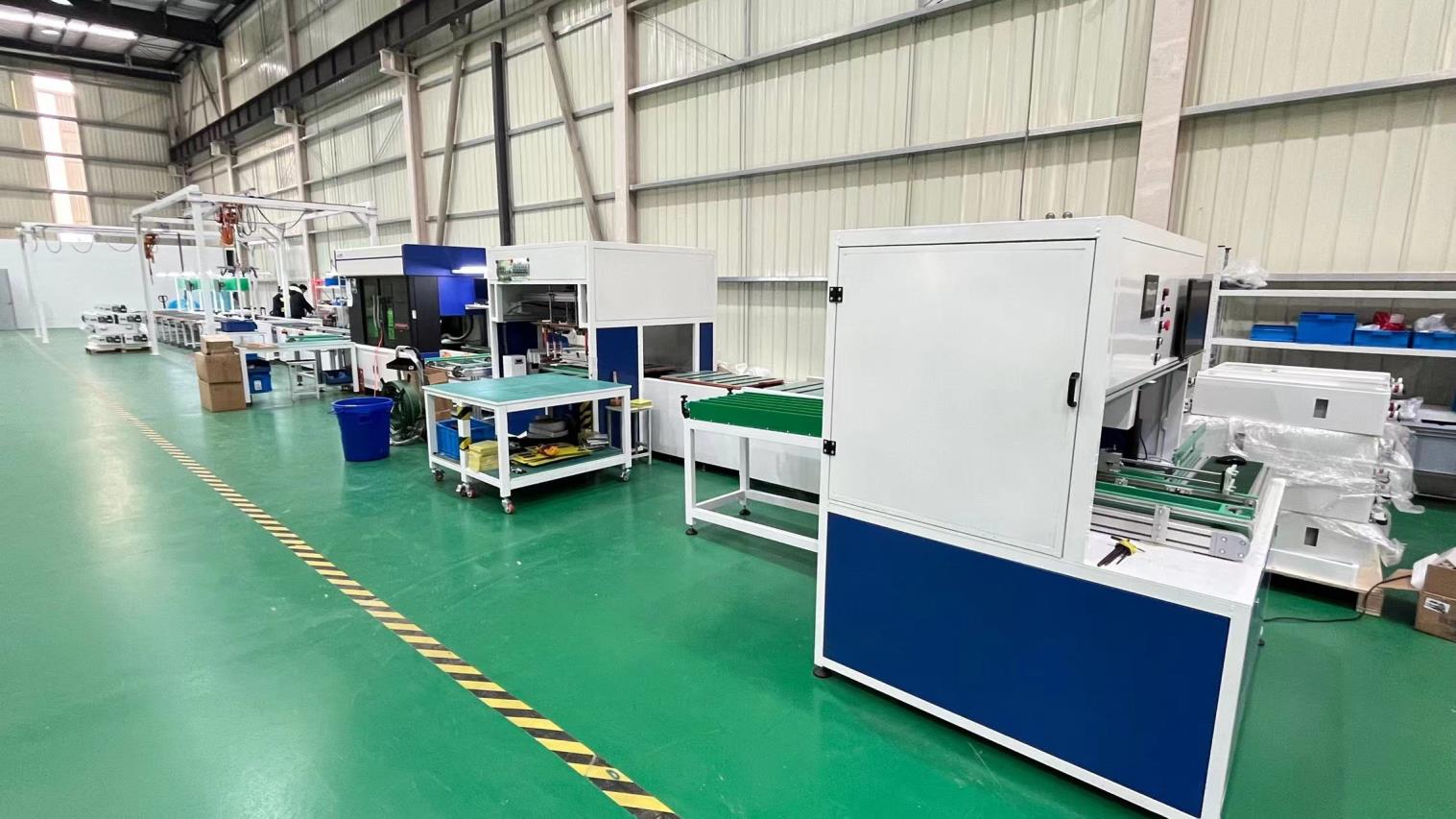
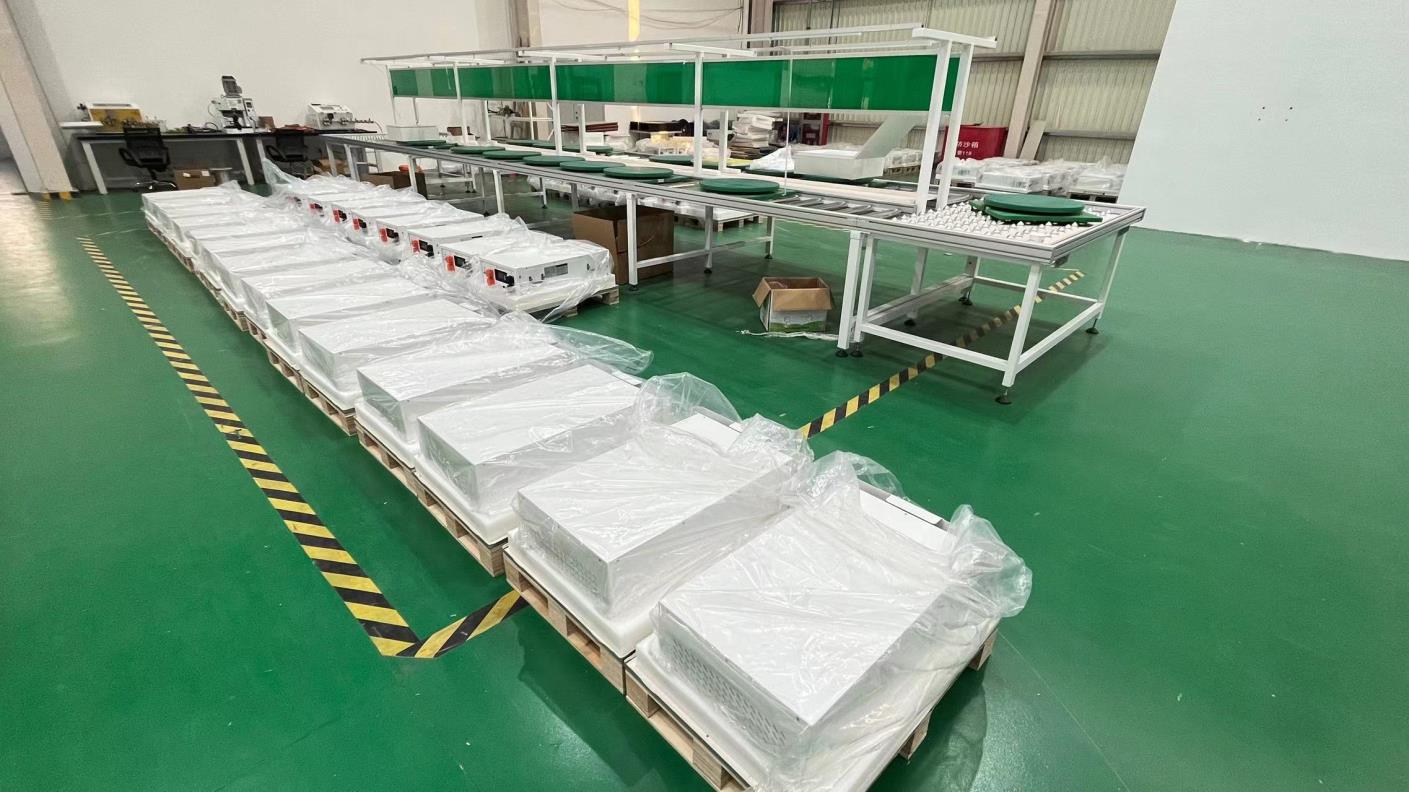
How modern battery storage system architectures adapt to diverse, challenging climates globally.
In regions facing frequent load-shedding and high ambient temperatures, energy storage systems encounter thermal stress and high cycle rates. Jiangsu Vires Energy systems deployed in these areas are built with optimized ventilation channels and advanced thermal cutoffs. This design helps prevent heat buildup, ensuring the system operates reliably through multiple daily discharge cycles.
Cold winter conditions require heating support to prevent lithium plating during charging. Our smart BMS solutions can interface with internal heating blankets or adjust charging rates based on external temperatures, keeping the battery chemistry within a safe operating window without needing manual intervention.
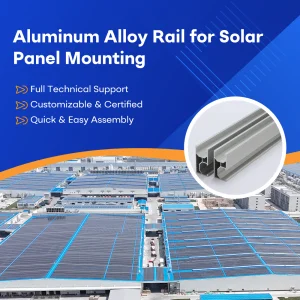
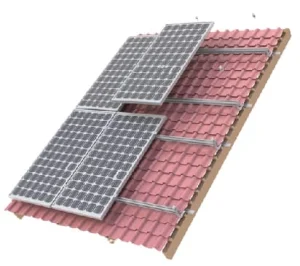
Salt spray and high humidity can corrode electrical contacts and degrade rack structures. By using specialized aluminum mounting brackets and IP65-rated enclosures, our systems isolate sensitive connections from damp atmospheres, preventing leakage currents and ground faults.
Clear, technical answers to common questions about managing and maintaining lithium-iron energy storage systems.
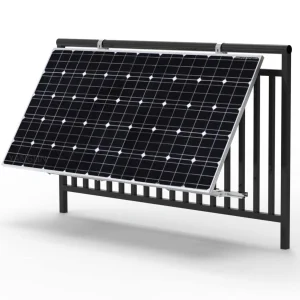
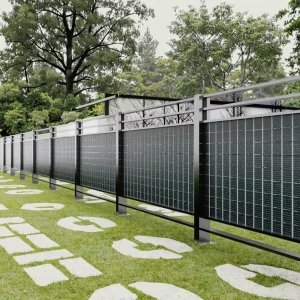
Explore our high-voltage battery modules, structural mountings, and fast-charging hardware designed for modern energy infrastructures.
 Vires Energy