Engineered for extreme longevity, rapid site commissioning, and strict conformity with global IEC and UL standards.
The global transition toward decentralized power grids has elevated the role of commercial, industrial, and residential photovoltaic (PV) systems from peripheral green energy projects to central, critical infrastructure assets. Across the European Union, North America, and high-growth markets within the Asia-Pacific region and Africa, rising grid instability, paired with clean-energy mandates, has triggered a surge in large-scale energy deployments. However, executing these projects requires more than just high-performance equipment; it demands rigorous engineering blueprints, optimized installation parameters, and comprehensive guides that translate complex physical wiring topologies into predictable, safe, and high-yielding systems.
Currently, international developers face a major challenge: the "integration gap." While high-quality inverters, modules, and battery management systems (BMS) are widely available, failures often occur due to poor site preparation, incorrect wire sizing, non-compliant grounding, or inadequate thermal management. A professional solar system installation guide serves as the vital link that bridges manufacturing specifications with field reality. For global importers, sourcing systems accompanied by rigorous, code-compliant guides is no longer an optional value-add; it is a critical strategy to minimize commissioning errors, protect capital assets, and ensure compliance with strict local grid codes.
"High-performance photovoltaic assets are only as reliable as their weakest electrical connection. A robust installation framework protects capital investments against insulation faults, thermal degradation, and premature degradation of energy storage elements."
Successfully implementing a solar array requires a methodical approach that starts long before the physical hardware arrives at the job site. The lifecycle of a professional photovoltaic installation is defined by distinct, highly technical phases:
Engineers must verify the load-bearing capacity of the installation surface, whether dealing with standard flat roofs, pitched commercial metal decks, or ground-mounted carports. Utilizing LIDAR scans and sun-path tracking software helps map out micro-shading profiles. This step is critical because even minor shading on a single cell can disproportionately reduce string performance by driving the bypass diodes into continuous operation.
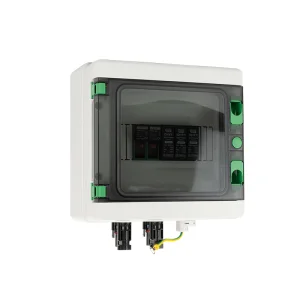
This phase focuses on configuring the Balance of System (BOS) components. Design elements include sizing the DC combiner boxes with proper surge protection devices (SPDs), selecting string configurations that match the Maximum Power Point Tracker (MPPT) voltage window of the inverter, and minimizing voltage drop across long DC and AC cable runs. Engineers must keep voltage drops below 2% to prevent unnecessary system losses.
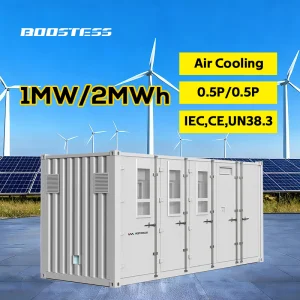
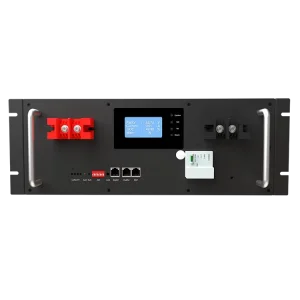
Integrating modern lithium iron phosphate (LiFePO4) storage banks requires precise environmental control. Designers must account for battery rack layouts, safety clearances, and forced air or liquid cooling systems. Proper thermal management prevents heat localization, maintains cell temperature uniformity within ±3°C, and avoids thermal runaway, ensuring the battery achieves its full operational lifespan.
China's leadership in the global solar supply chain is built on advanced manufacturing clusters, massive production capacity, and strict quality control standards. At the center of this ecosystem are companies like Jiangsu Vires Energy Co., Ltd., which leverage state-of-the-art automation to ensure consistent product performance.
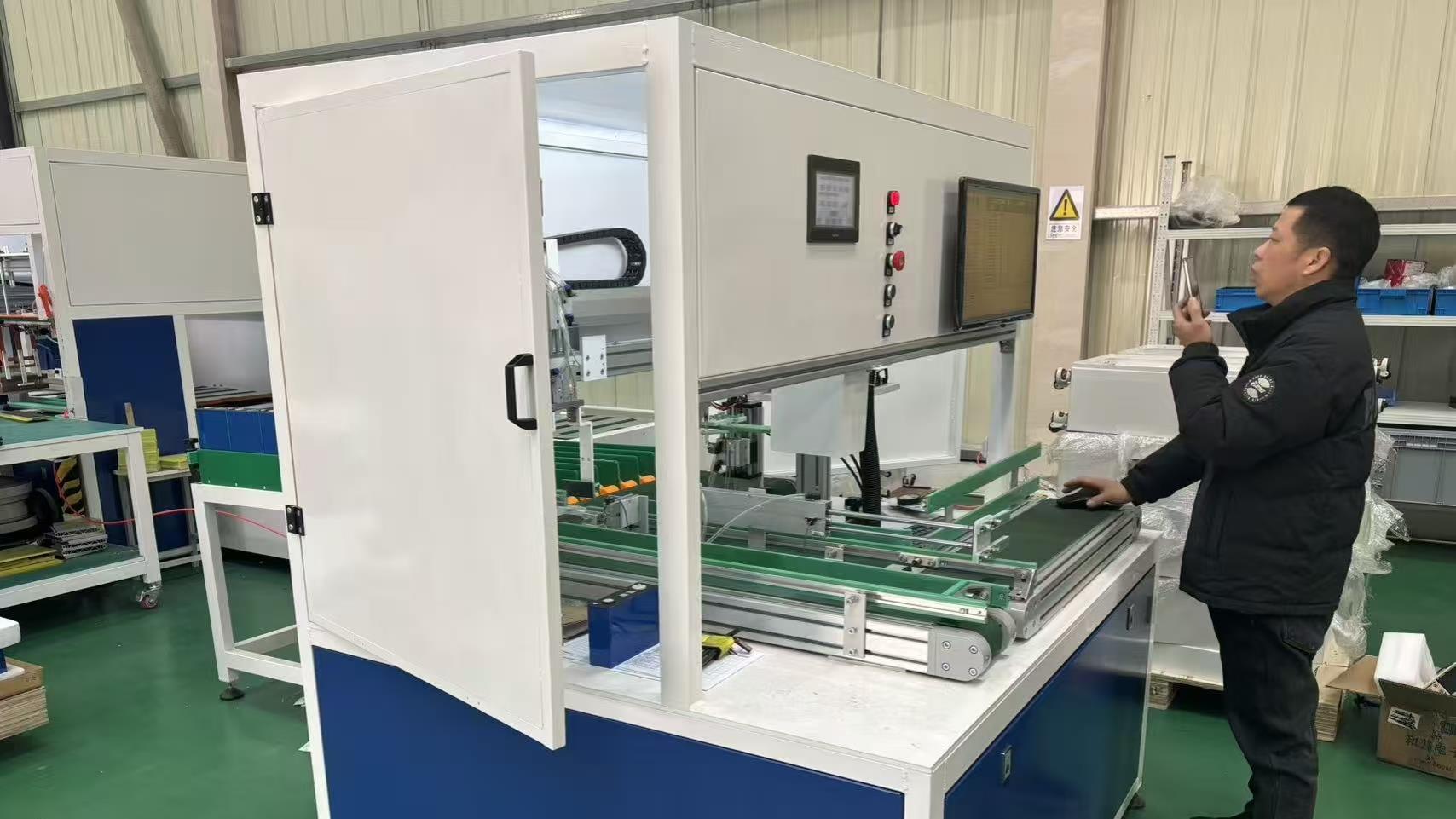
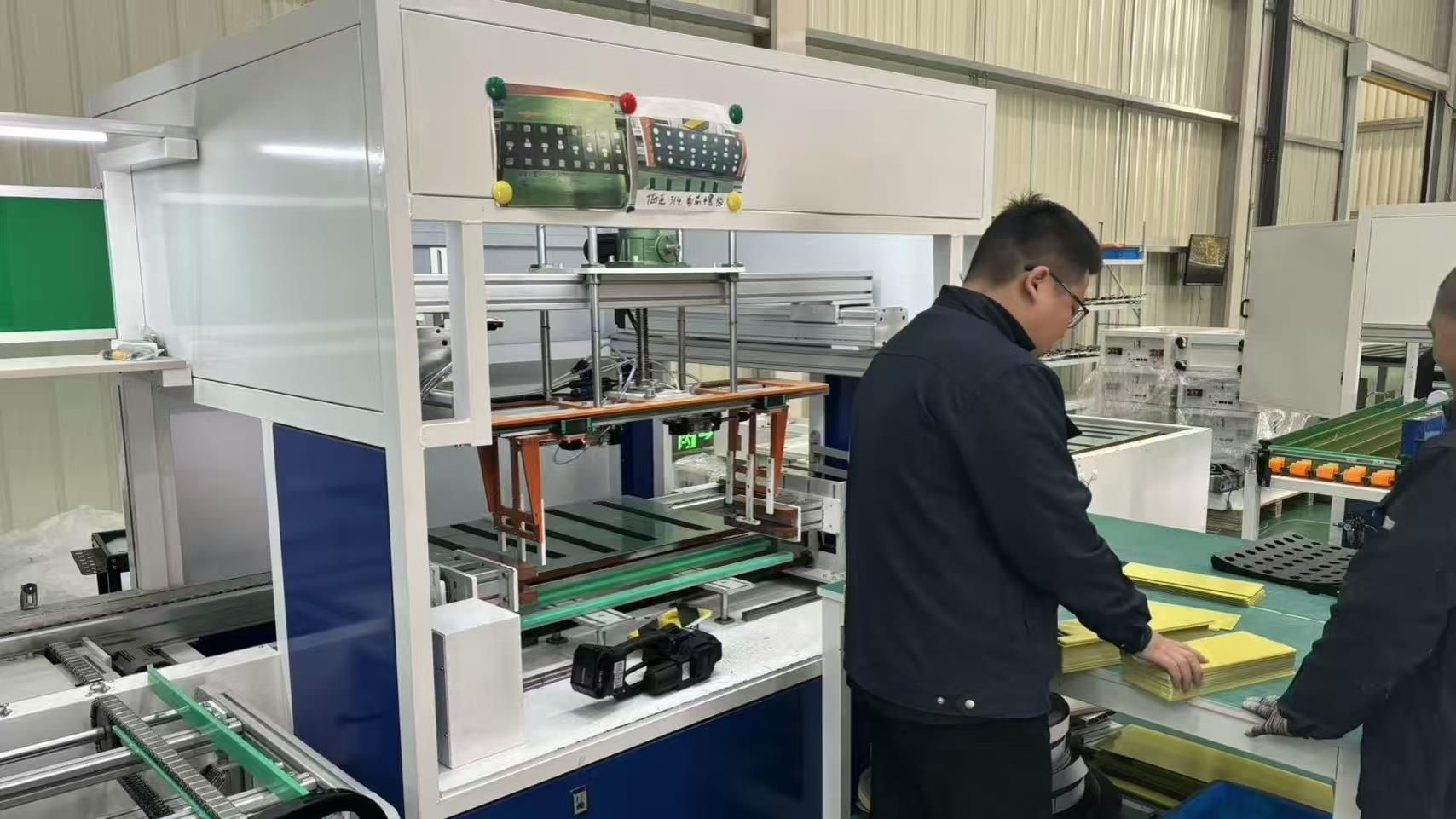
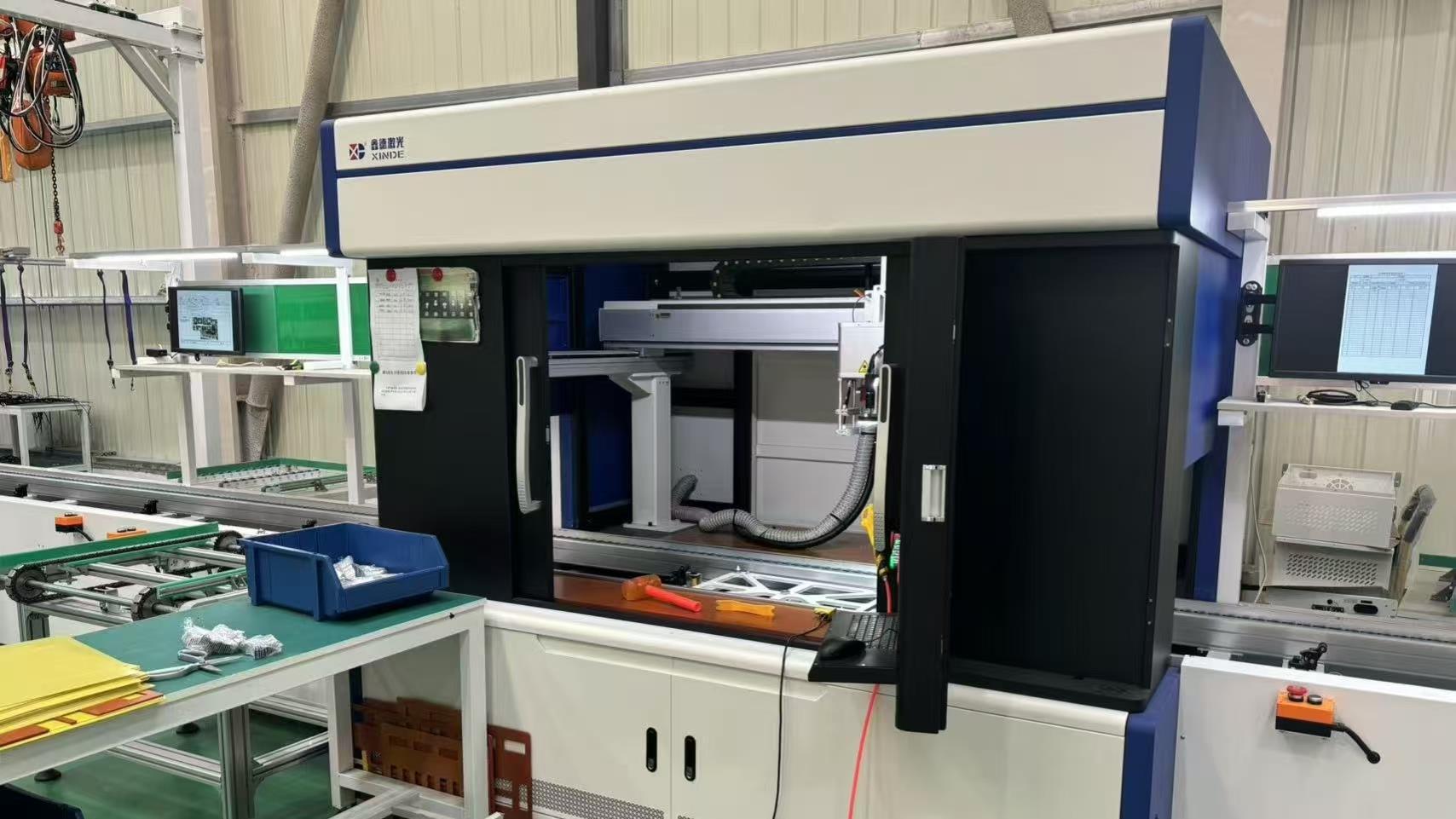
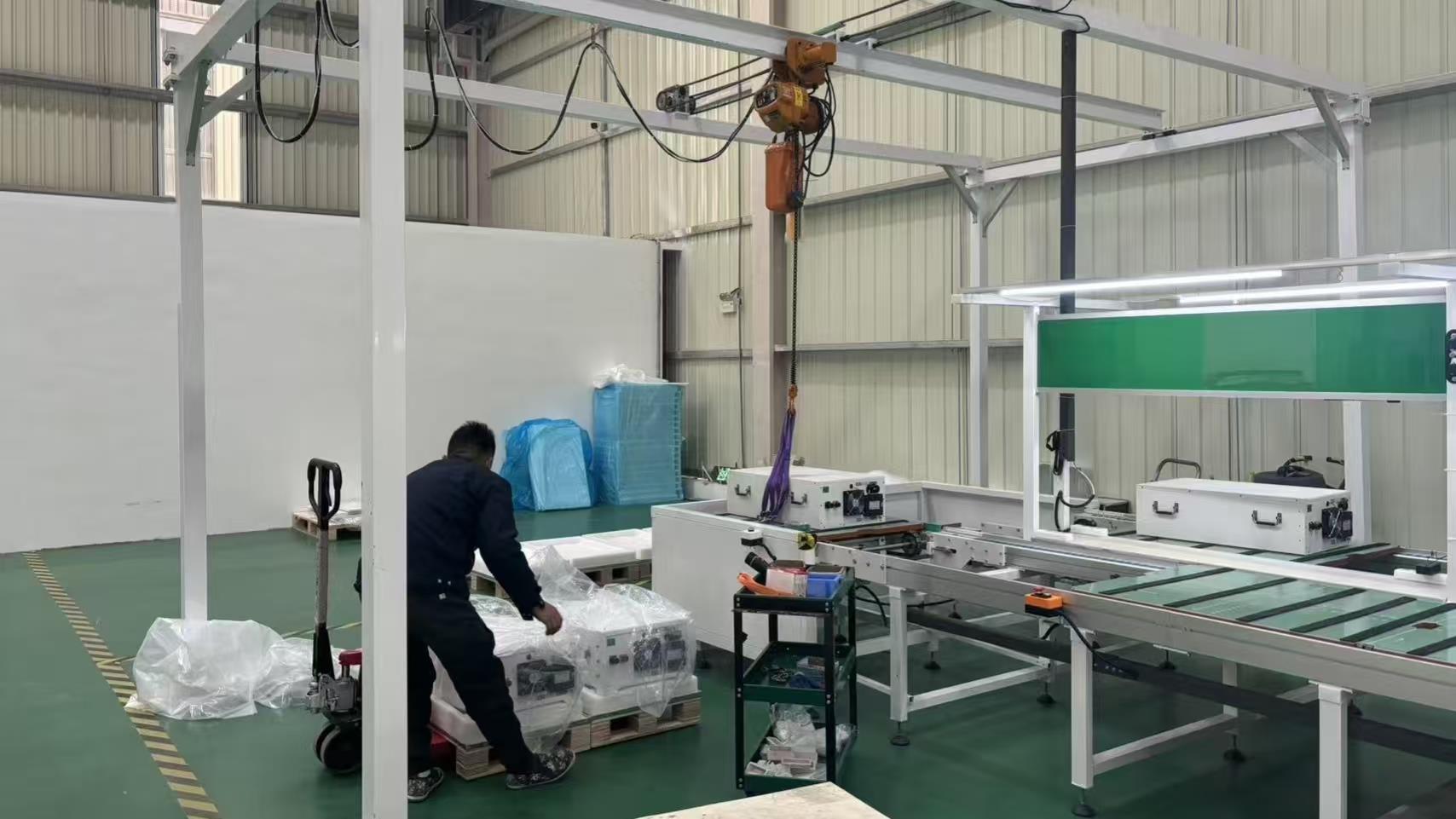
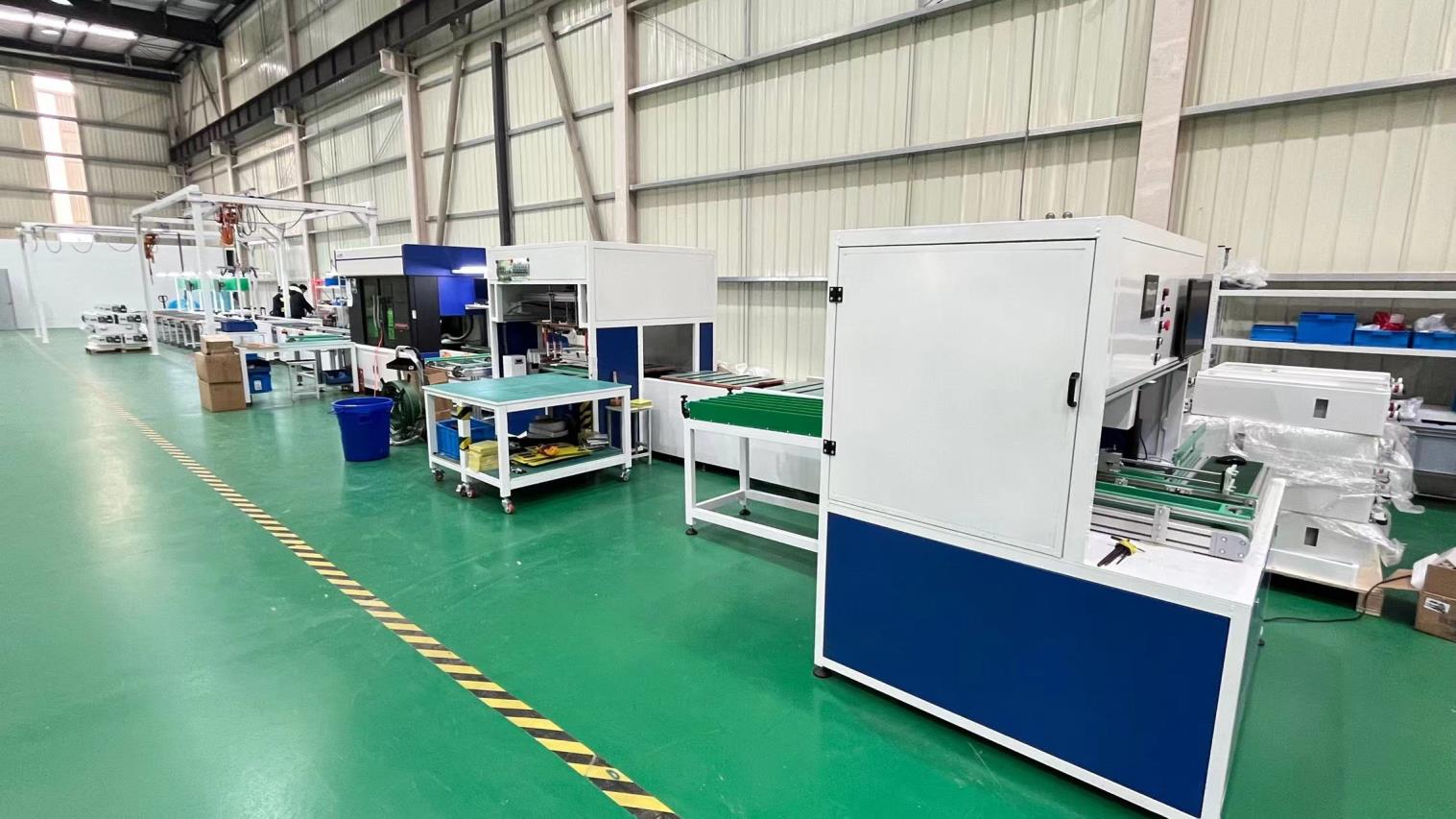
Manufacturing high-efficiency solar systems and storage devices requires absolute precision at every step of production. The journey begins with laser cell sorting, which groups cells by matching electrical profiles down to millivolt tolerances. Automated extrusion and laser welding follow, forming rugged module frames and battery cell packs that can withstand extreme mechanical and environmental stress.
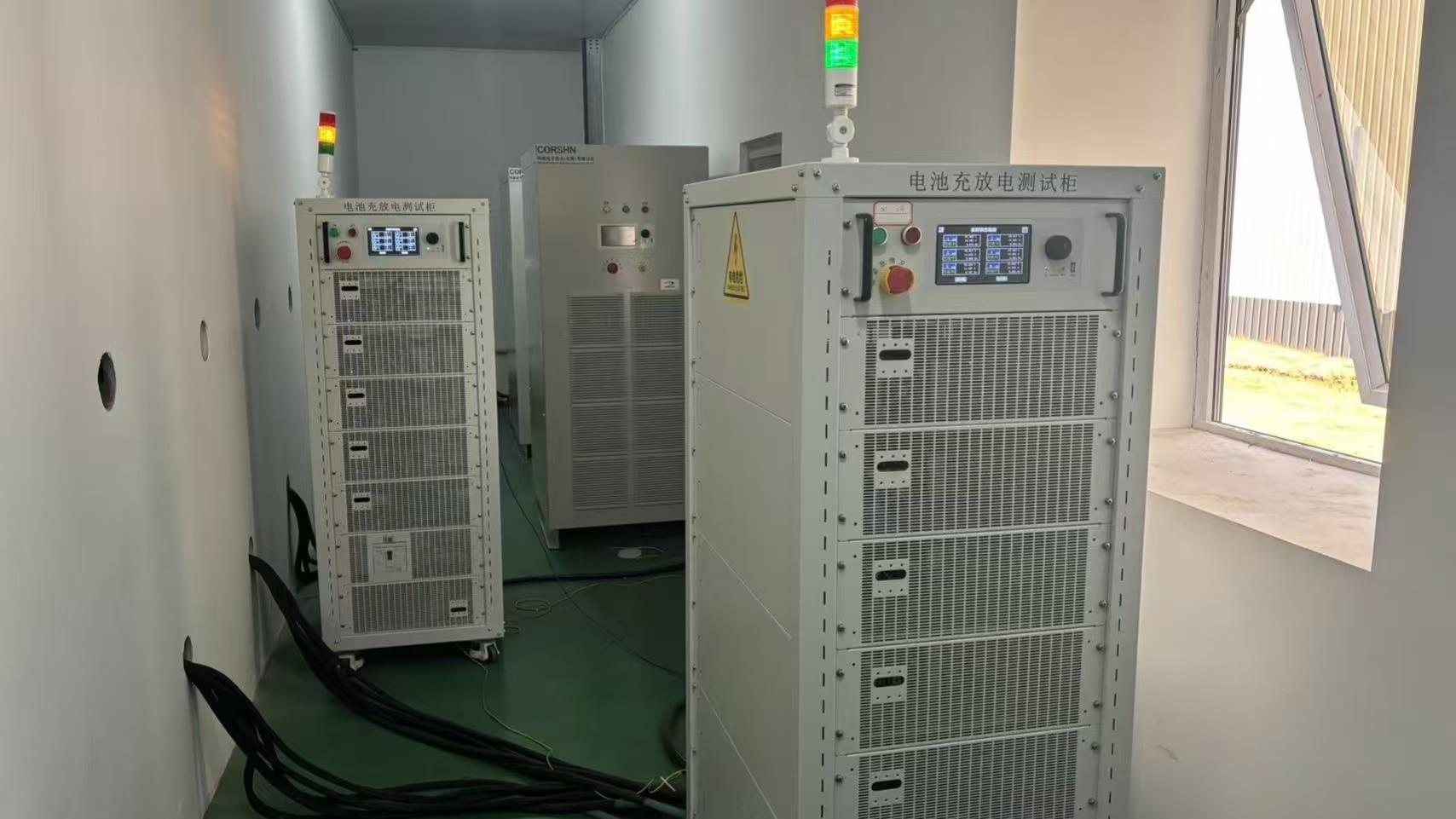
Equally important is testing. Every lithium energy storage system must undergo automated testing in simulated operational environments, including long-term thermal aging chambers, before leaving the factory. This level of quality control ensures that when a container arrives at an overseas port, every component operates exactly as designed, significantly reducing field installation issues.
Additionally, the integration of the local supply chain allows Chinese manufacturers to offer customized, project-specific OEM and ODM solutions. Whether an installer needs a specific battery size, customized mounting equipment, or pre-wired combiner boxes, the flexibility of advanced factories ensures rapid design adaptation and fast production turnaround.
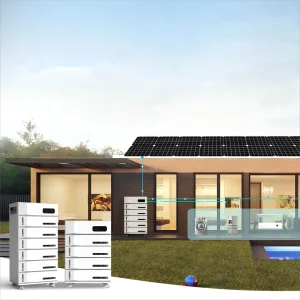
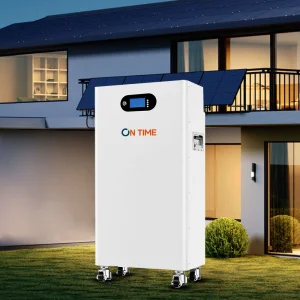
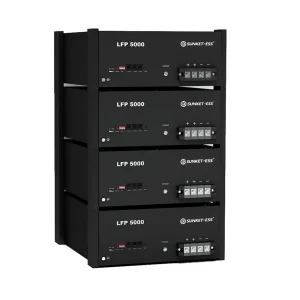
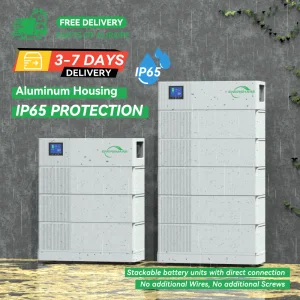
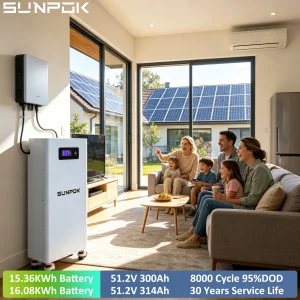
In densely populated areas in Europe and North America, spatial limitations require highly efficient setups. Solutions like balcony PV kits and stackable, high-voltage battery storage systems allow homeowners to maximize energy yields within small footprints, seamlessly integrating with existing household electrical panels.
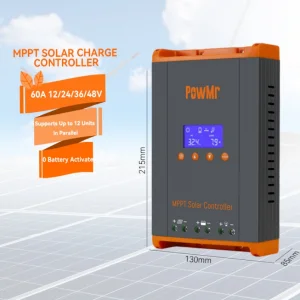
For agricultural, mining, or rural community sites in parts of Africa, the Middle East, and South America, reliance on unstable grids or diesel generators is costly. High-capacity containerized BESS solutions combined with robust MPPT controllers create reliable, self-sustaining off-grid microgrids.
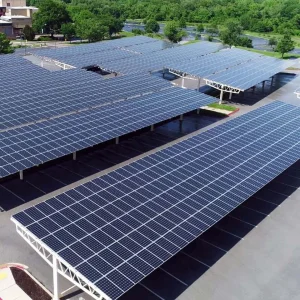
Industrial parks and distribution centers require systems that support peak shaving, load shifting, and reliable emergency backup power. Ground-mounted solar arrays, PV parking structures, and large-scale, liquid-cooled containerized batteries keep operations running during grid outages.
Procuring industrial-grade solar hardware requires navigating a complex environment of technical standards and certifications. Global engineering procurement and construction (EPC) firms, as well as project developers, must evaluate manufacturers on criteria that extend far beyond the initial equipment cost. The primary measure of quality for any solar energy system or energy storage system (ESS) is its adherence to international standards.
Key standards include UL 1973 and IEC 62619 for battery cell and system safety, which test for thermal runaway propagation, internal short circuits, and mechanical impact resistance. Additionally, electromagnetic compatibility (EMC) must be verified via FCC and CE certifications to ensure the equipment does not interfere with localized industrial control networks. Importers should also look for environmental and materials safety compliance, such as ROHS and REACH, to align with environmental, social, and governance (ESG) mandates in Western markets.
Beyond standard compliance, high-quality manufacturers stand out through their design-phase support. Transparent exporters provide detailed electrical single-line diagrams, solar system installation guides, wind load calculation sheets, and comprehensive thermal modeling profiles. This technical documentation helps developers secure local utility permits and expedite grid connection approvals.
Jiangsu Vires Energy Co., Ltd. is a leading manufacturer specializing in home solar power systems with nearly 20 years of experience in the renewable energy industry. We are recognized as one of the top manufacturers in China and have established branch offices and after-sales service centers in key global markets, including Pakistan, South Africa, Germany, the Netherlands, and the USA.
Our mission is to empower households and businesses with reliable, efficient, and eco-friendly solar energy solutions. We are committed to driving the global transition to sustainable energy while maintaining the highest standards of quality, safety, and customer satisfaction.
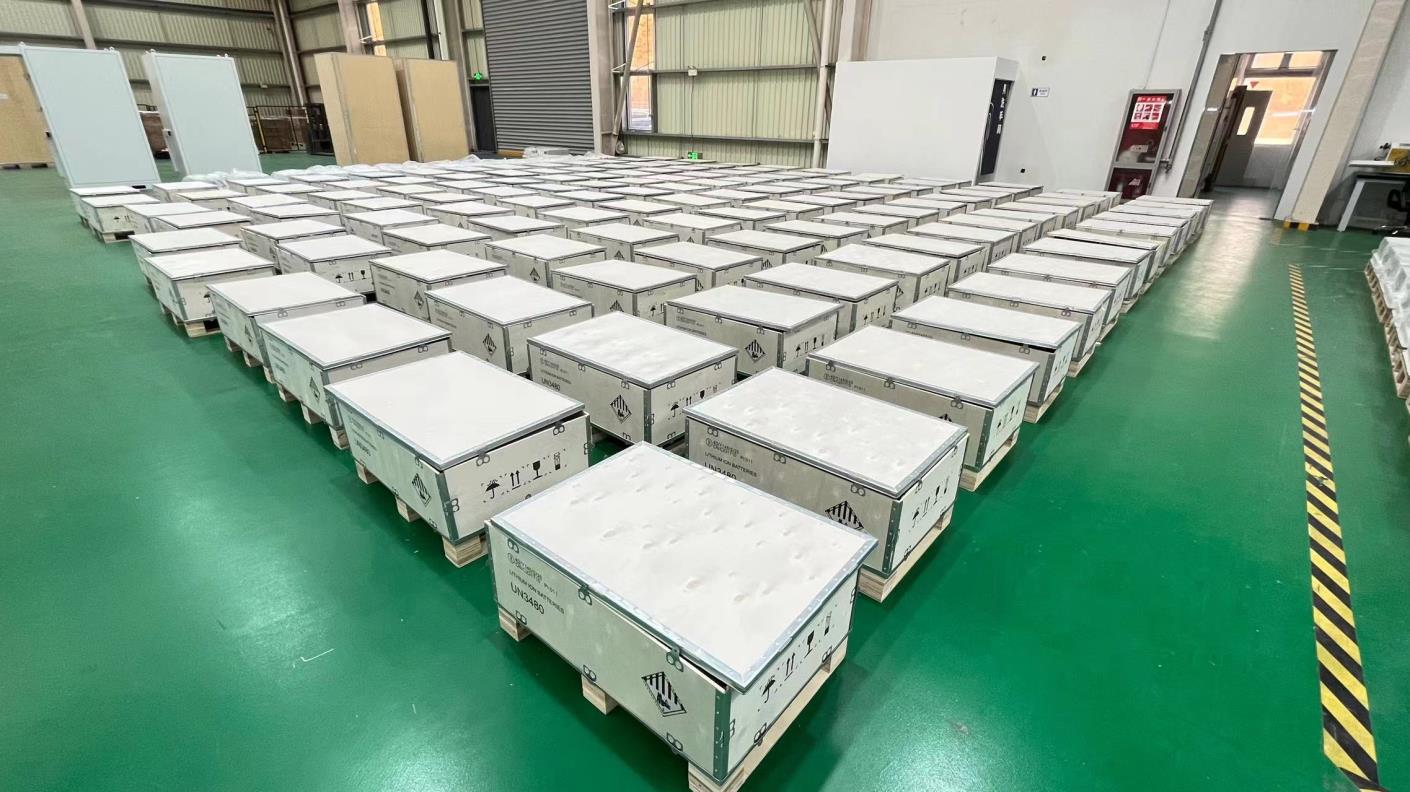
Step-by-step visual overview of our advanced production lines, testing facilities, and assembly workflows.
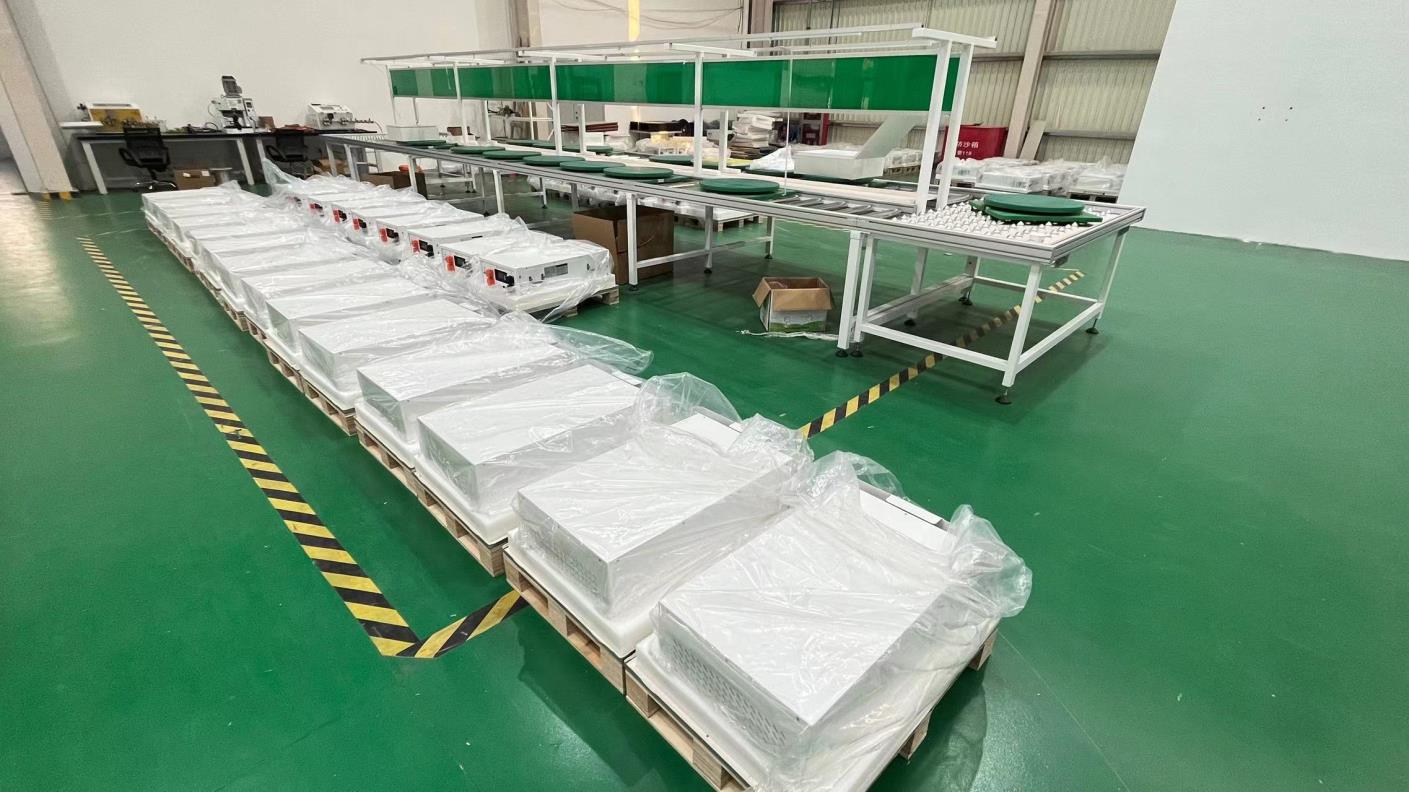
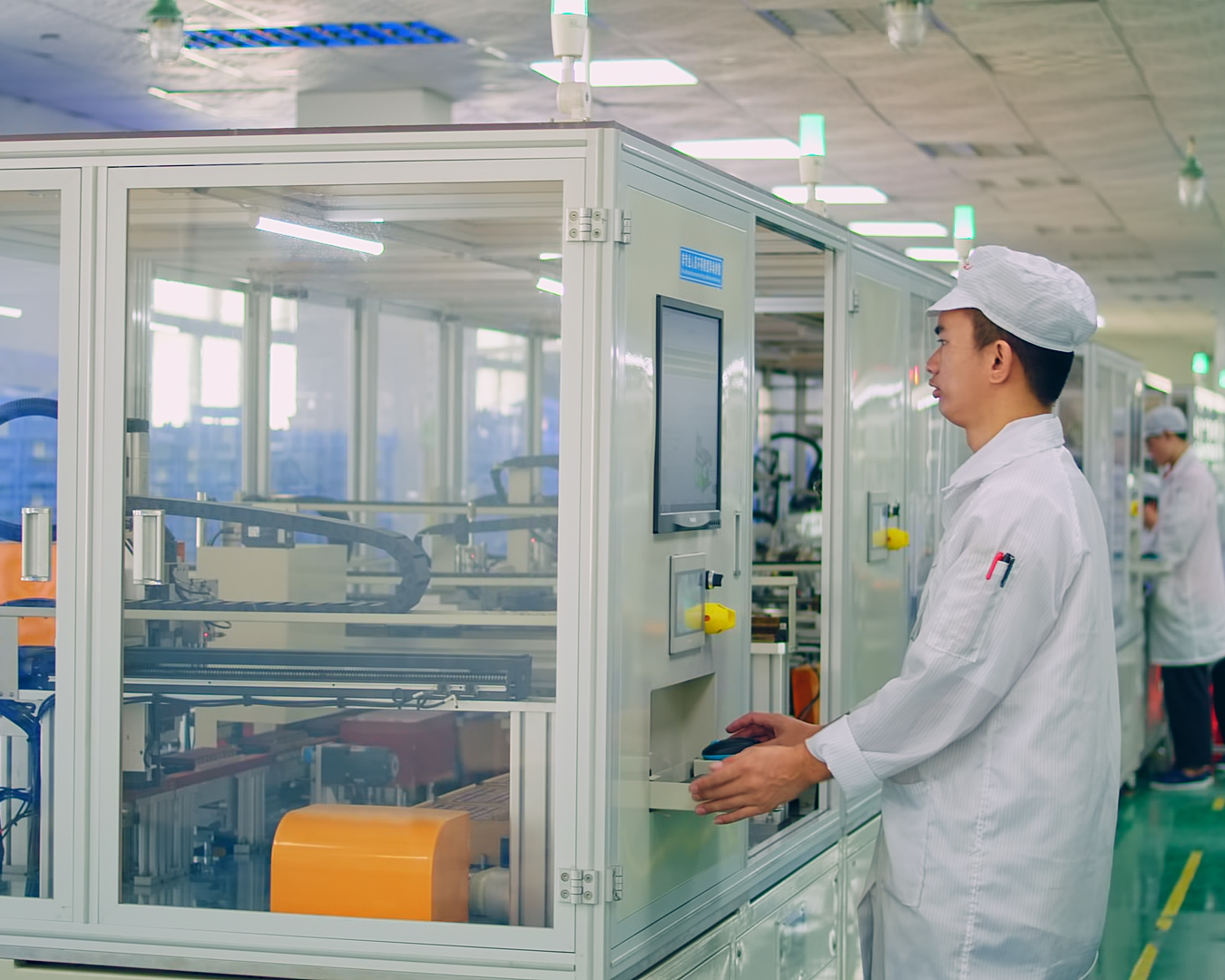

The global solar market is evolving rapidly, driven by continuous innovation in cell and battery technology. A major trend is the transition from low-voltage energy storage systems to high-voltage stackable configurations. High-voltage systems (operating at 192V, 400V, or higher) reduce current levels for the same power output. This allows for thinner, more cost-effective cabling and minimizes transmission losses, improving overall round-trip efficiency.
Additionally, modern solar infrastructure is increasingly adopting AI-driven Smart Battery Management Systems (BMS). Traditional BMS focus primarily on overvoltage, undervoltage, and overtemperature protection. Next-generation systems leverage predictive algorithms to balance cells in real time, forecast degradation patterns, and integrate with home energy management platforms. This allows for dynamic load shifting based on local utility pricing models.
On the generation side, we are seeing growth in ultra-high-efficiency N-type TOPCon and heterojunction (HJT) solar panels, which offer superior temperature coefficients and higher bifaciality compared to traditional P-type panels. Integrating these high-efficiency cells with flexible substrates allows for solar installations on curved or weight-sensitive structures, expanding the possibilities for residential and commercial rooftop solar.
Technical answers to common questions about PV system installation, compliance, and global shipping.
To export energy storage systems to Europe, products must hold CE and RoHS marking, alongside compliance certificates for EN/IEC 62619 (safety of industrial lithium batteries) and EN/IEC 61000 series (EMC safety compliance). Grid-tied inverters must meet local grid codes, such as VDE-AR-N 4105 in Germany or EN 50549 across the European Union.
A comprehensive, code-compliant guide prevents wiring and configuration errors on-site. This significantly reduces commissioning times, protects the system from installation-related failures, and helps installers meet local building and electrical inspection requirements.
High-voltage (HV) battery systems reduce system current, which minimizes transmission heat losses and allows for thinner, more affordable cabling. HV systems also integrate more efficiently with high-power solar arrays and hybrid inverters, making them ideal for high-capacity energy demands.
During sorting, cells must be matched based on capacity, internal resistance, and open-circuit voltage. Proper cell matching is critical to ensure uniform charge and discharge rates, which extends the cycle life of the assembled battery pack.
OEM/ODM options include custom exterior colors, brand logo placement, personalized packaging, customized BMS protocols to match specific inverters, and specialized battery dimensions designed to fit tight installation spaces.
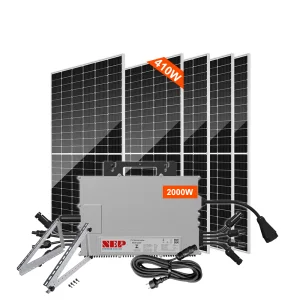
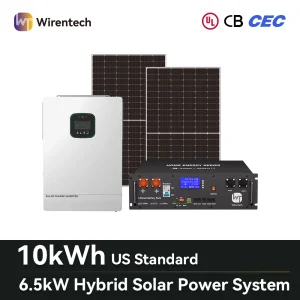
High-performance balance-of-system solutions designed to maximize conversion efficiency and simplify field assembly.

 Vires Energy