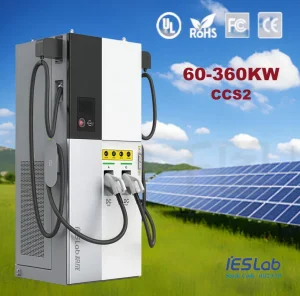
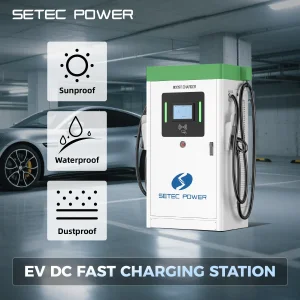
Explore our top-tier smart chargers, advanced lithium modules, and portable generator infrastructure designed for harsh mobile environments.
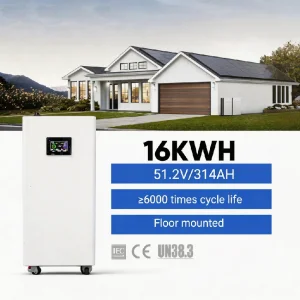
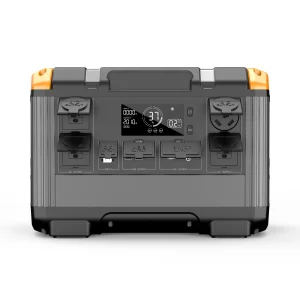
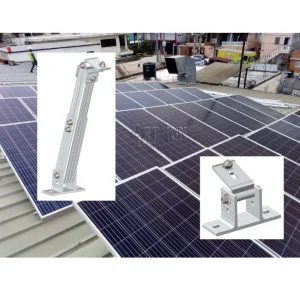
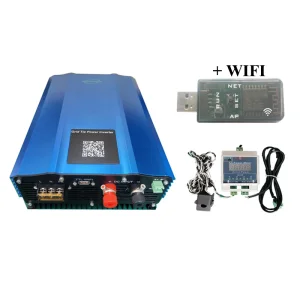
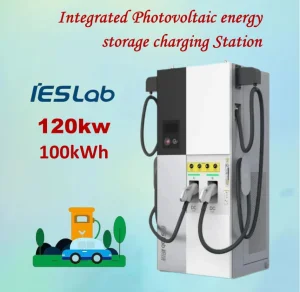
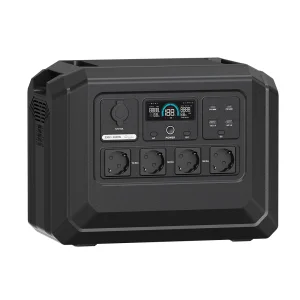
The recreational vehicle (RV) market is undergoing a seismic shift toward complete electrification. Historically, RV owners relied on noisy, carbon-emitting gas generators for mobile power. Today, regulatory mandates, coupled with a cultural push toward ecological preservation, have accelerated the demand for highly efficient Solar RV Charger systems and integrated energy storage.
Modern RV solar architectures have transitioned from low-voltage trickle chargers to complex, high-power microgrids. These systems must manage solar input, vehicle alternators, shore power, and high-capacity Lithium Iron Phosphate (LiFePO4) battery banks seamlessly. As key exporters, we recognize that our commercial clients—ranging from RV manufacturers (OEMs) to local wholesale distributors—require solar chargers that provide maximum power point conversion efficiency under volatile thermal and physical conditions.
B2B buyers and importers faces substantial hurdles in international procurement:
To address these system-level issues, our engineering philosophy focuses on unified power distribution. Rather than viewing the RV solar charger as an isolated component, we engineer it as the central node of a hybrid home-on-wheels microgrid.
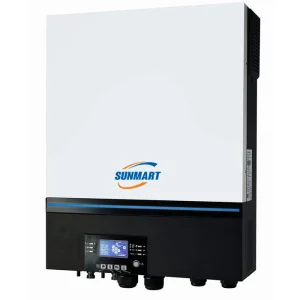
By designing chargers with wide input voltage ranges and pairing them with high-capacity 48V 100Ah/200Ah battery banks, we minimize transmission wire losses and allow rapid system integration. Our range of hybrid grid-tied and off-grid inverters acts in tandem with advanced MPPT charge controller modules, ensuring stable energy management even during partial shading conditions.
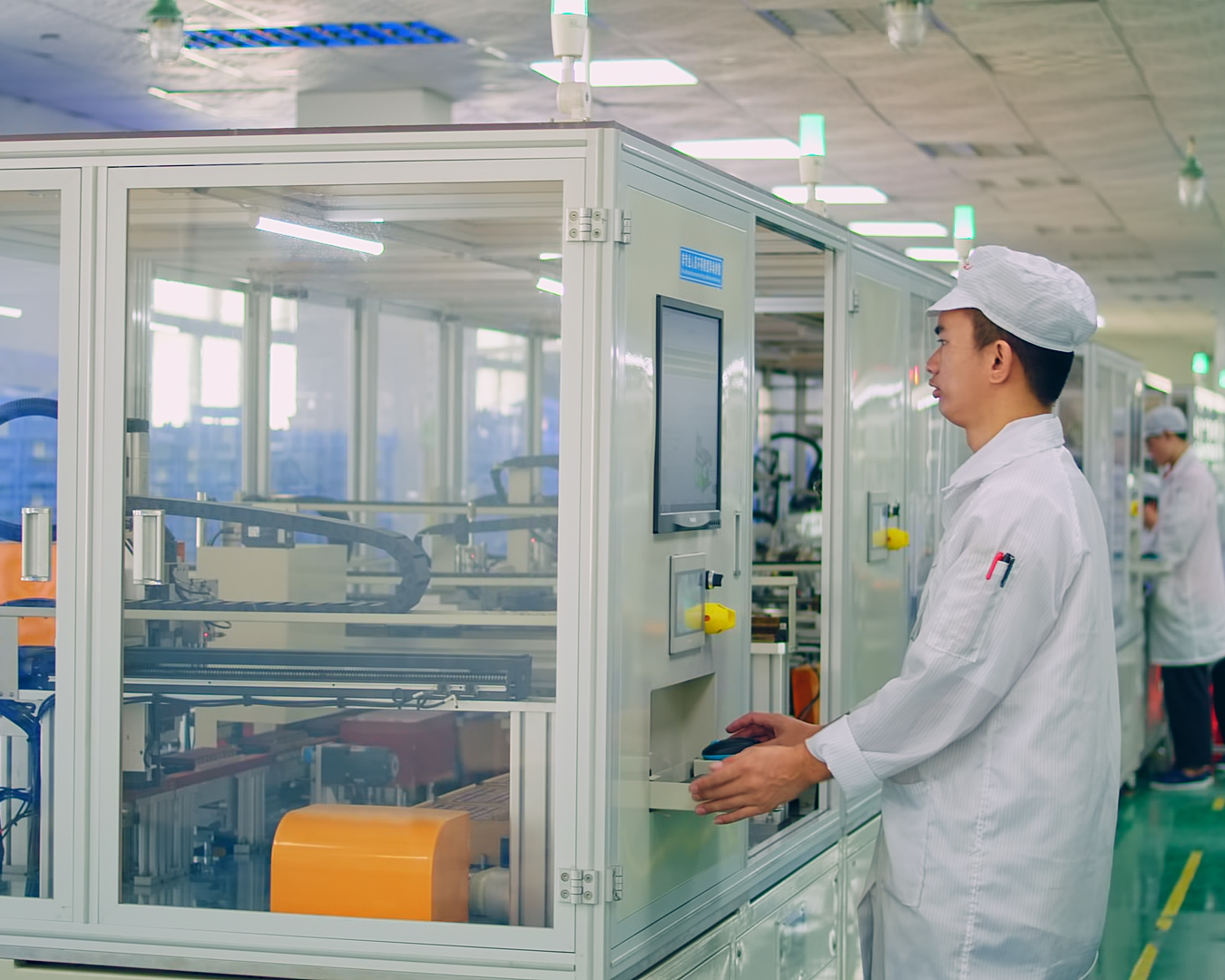
At Jiangsu Vires Energy Co., Ltd., we operate a dedicated lithium battery testing laboratory and advanced manufacturing lines. With nearly 20 years of expertise, we perform 100% aging tests and meticulous quality controls on every single component before shipment.
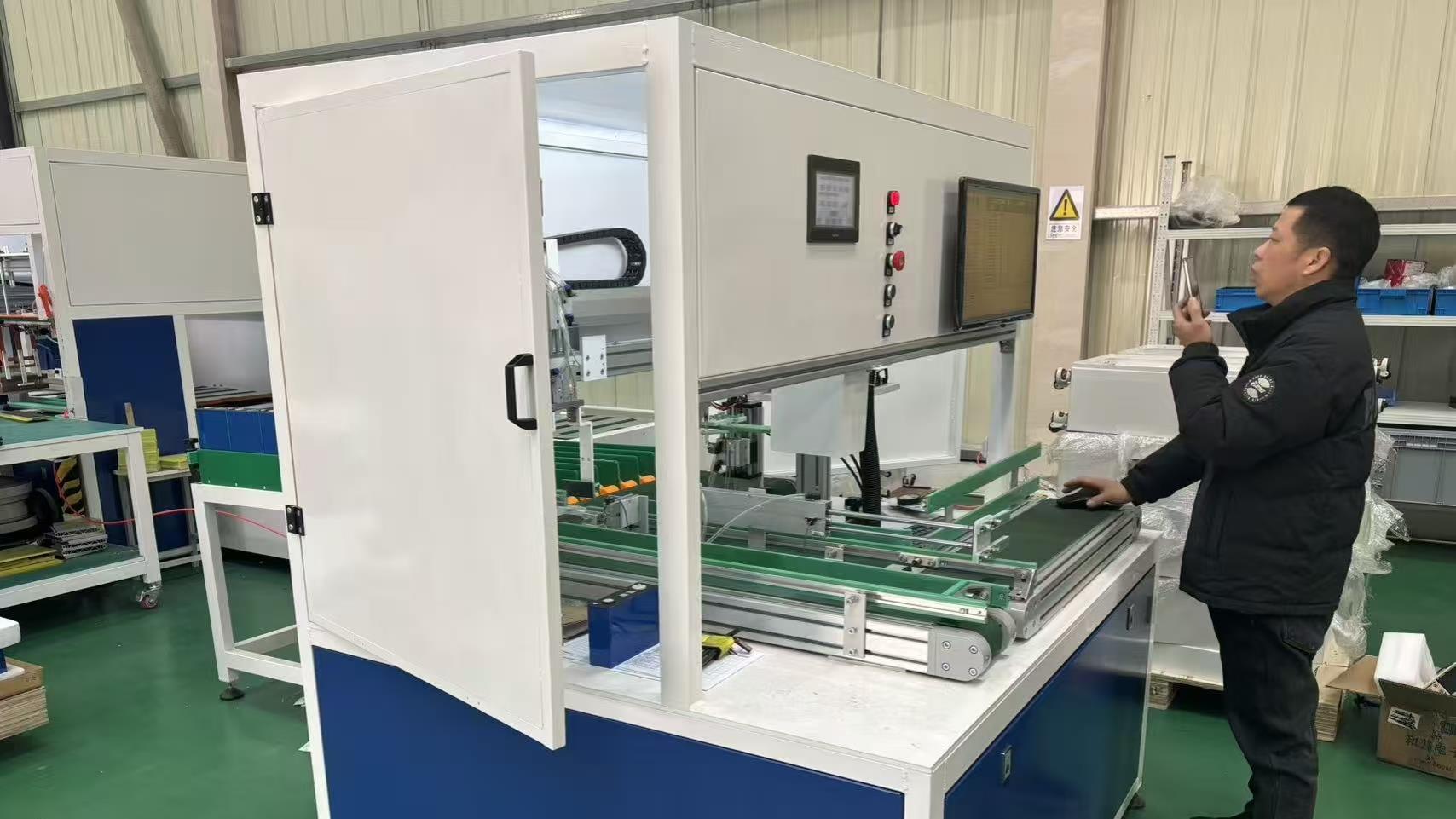
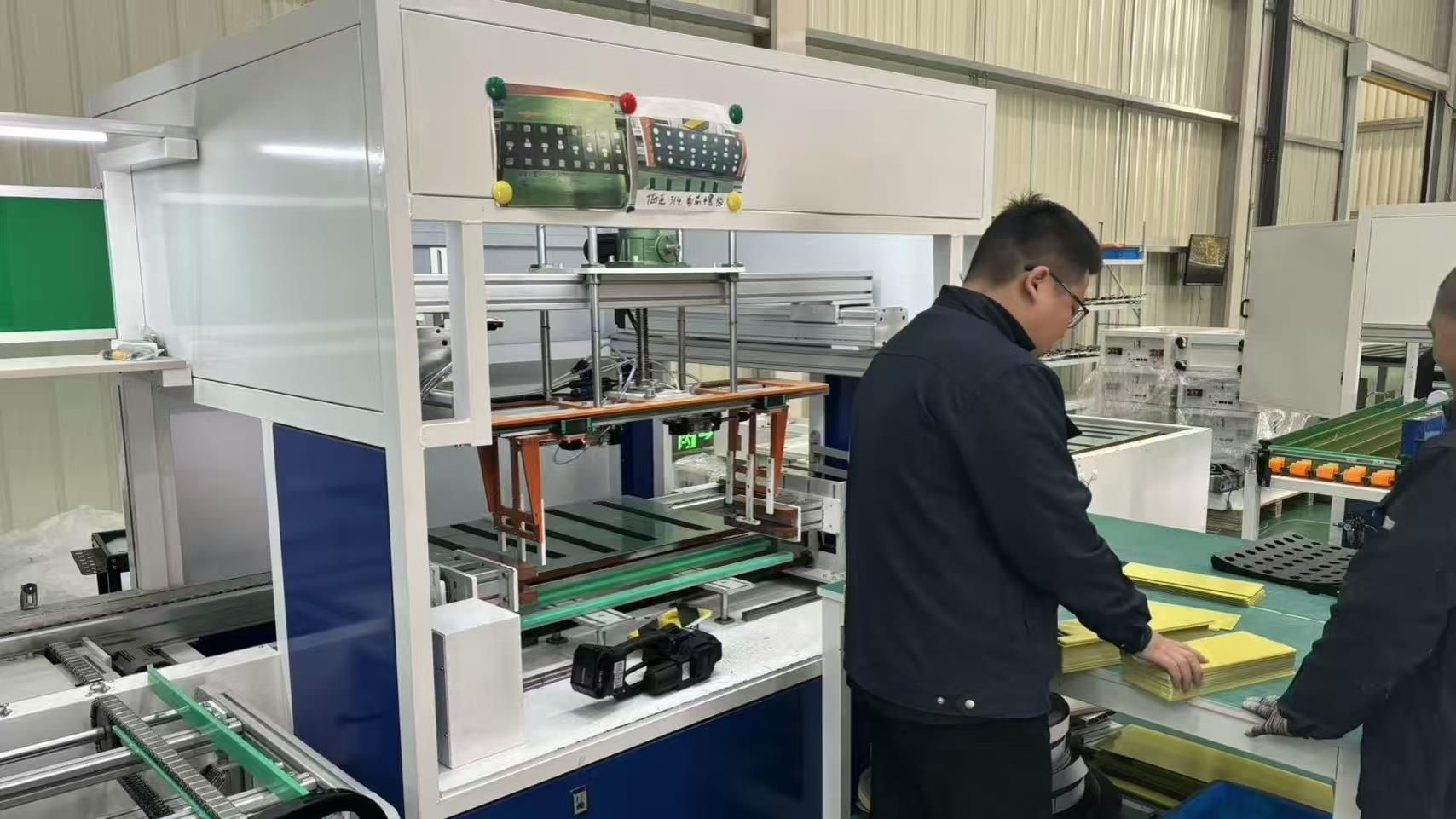
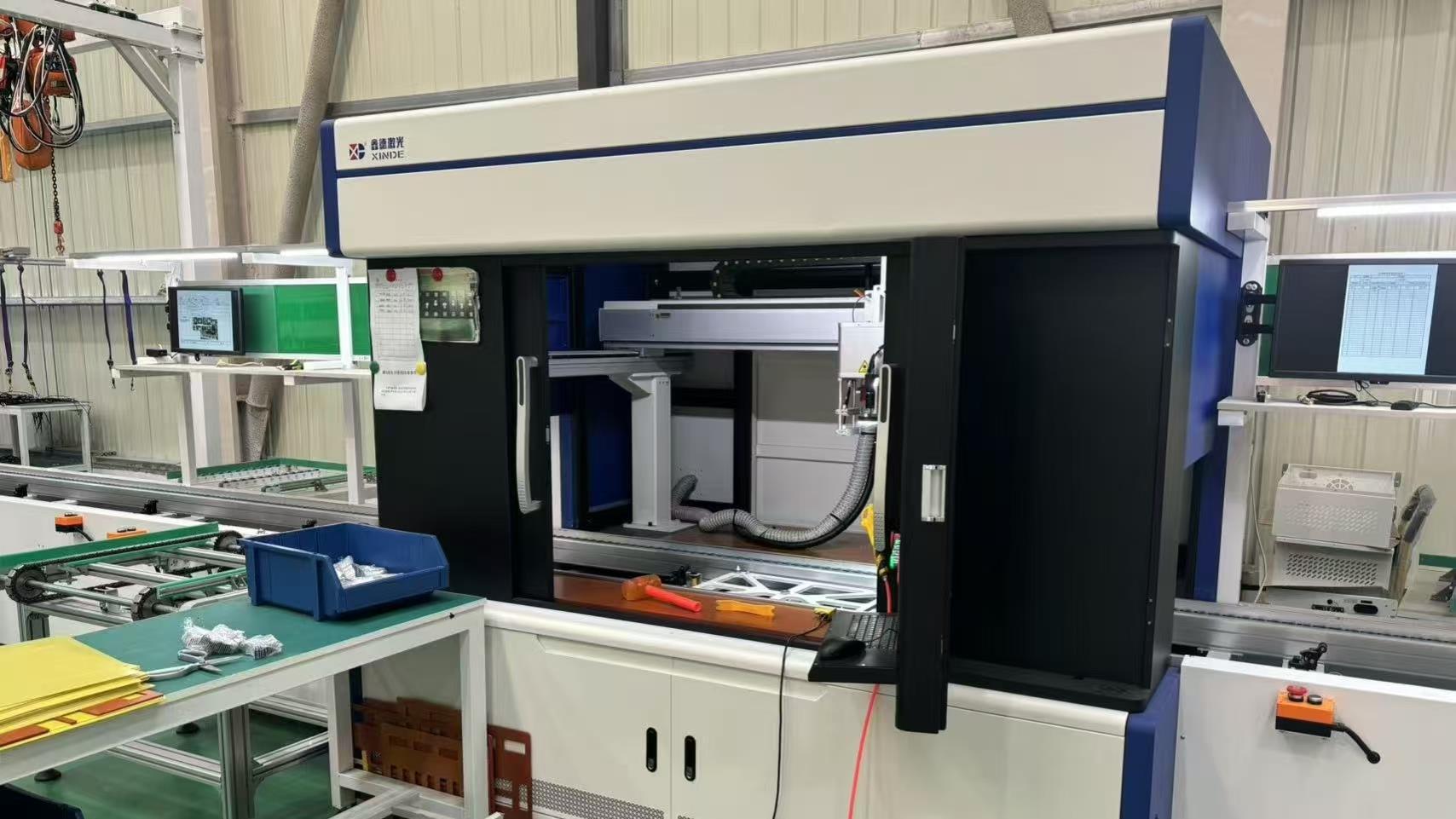
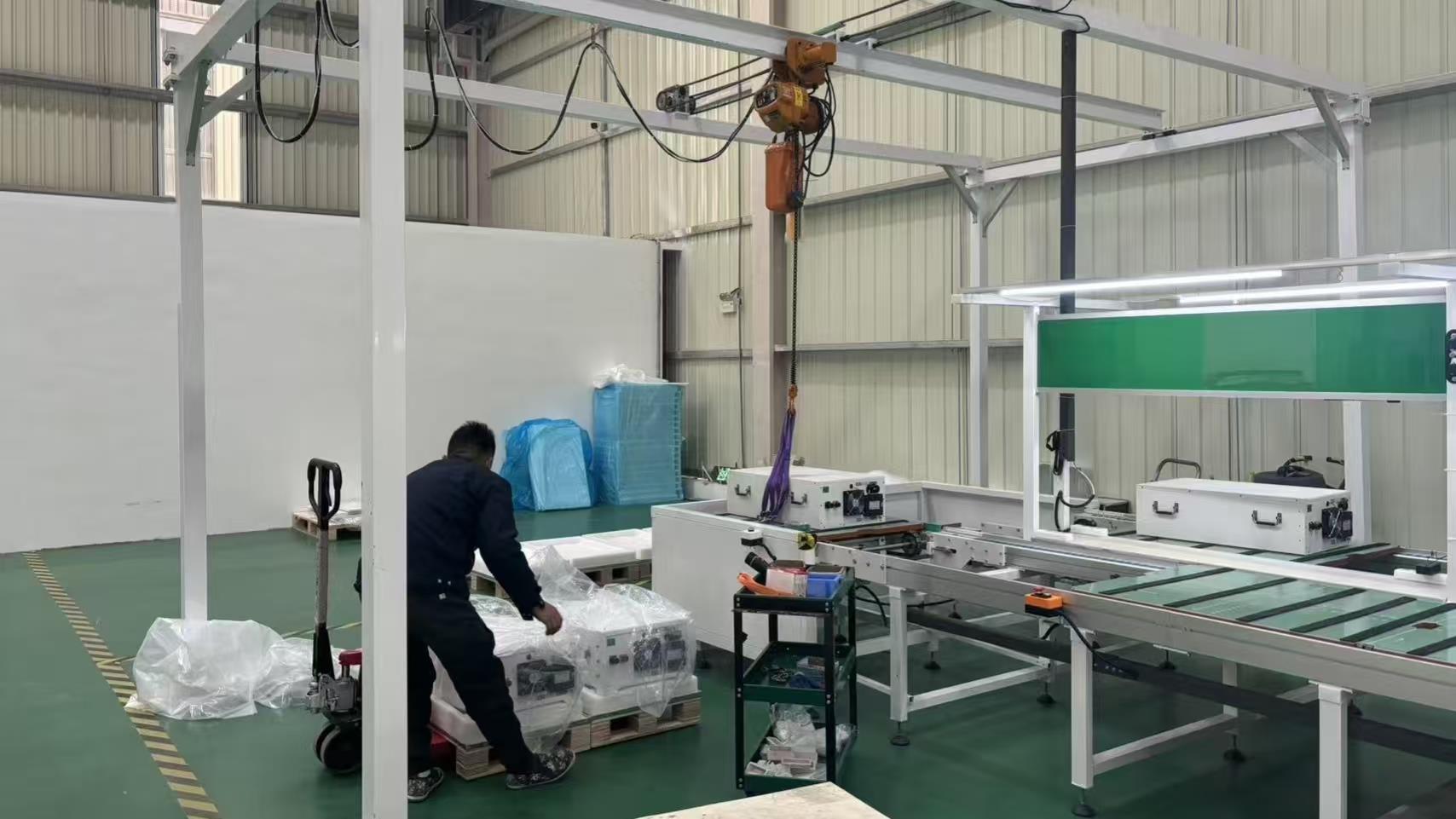
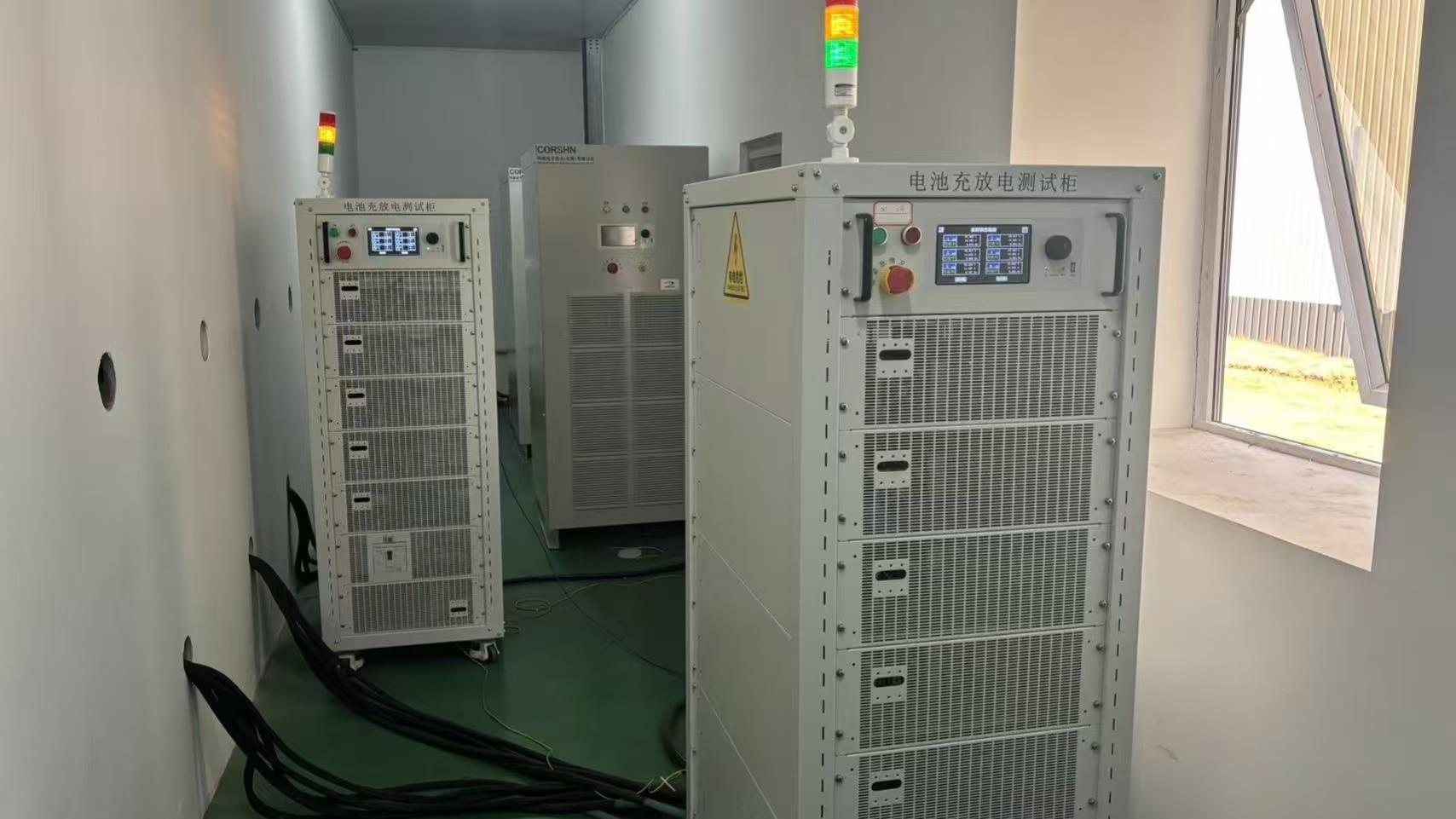
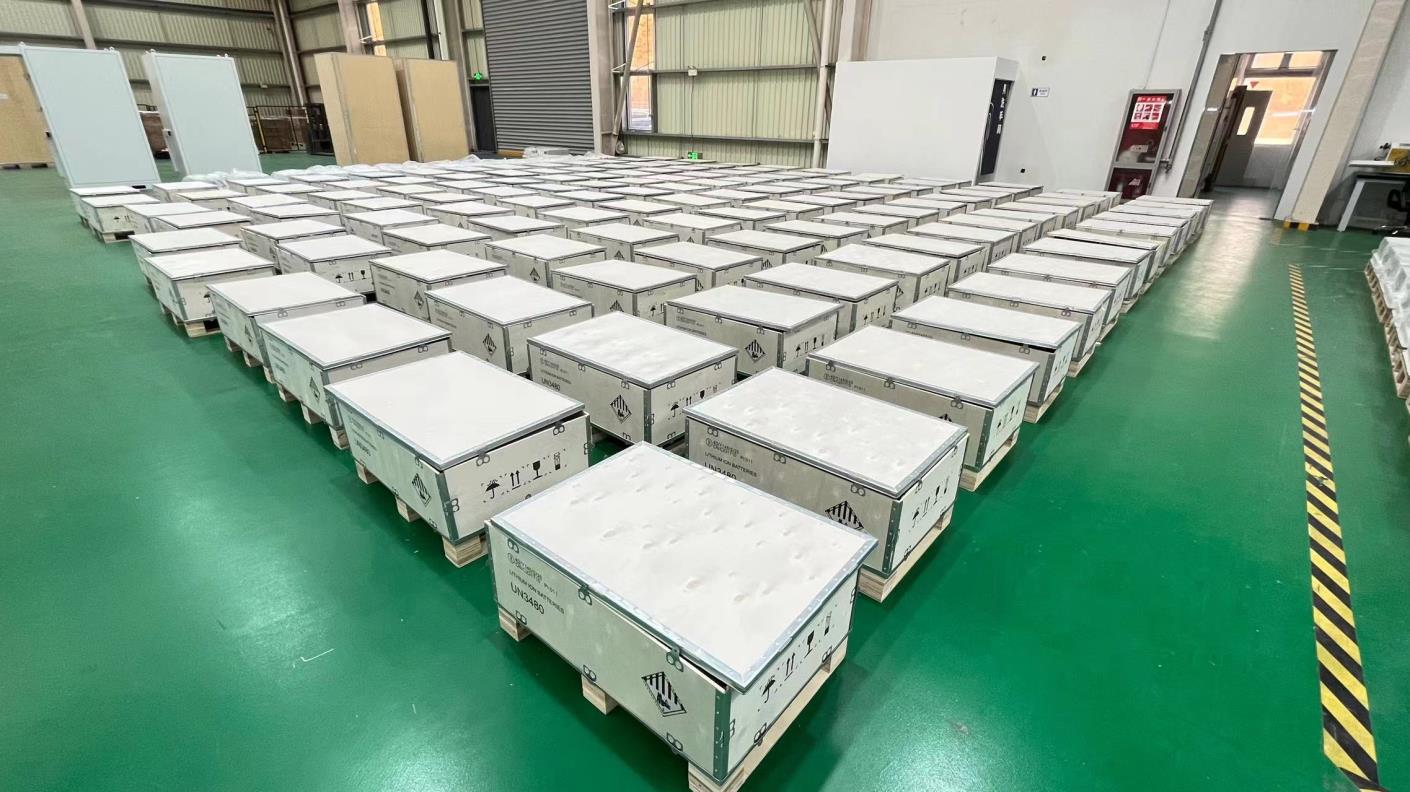
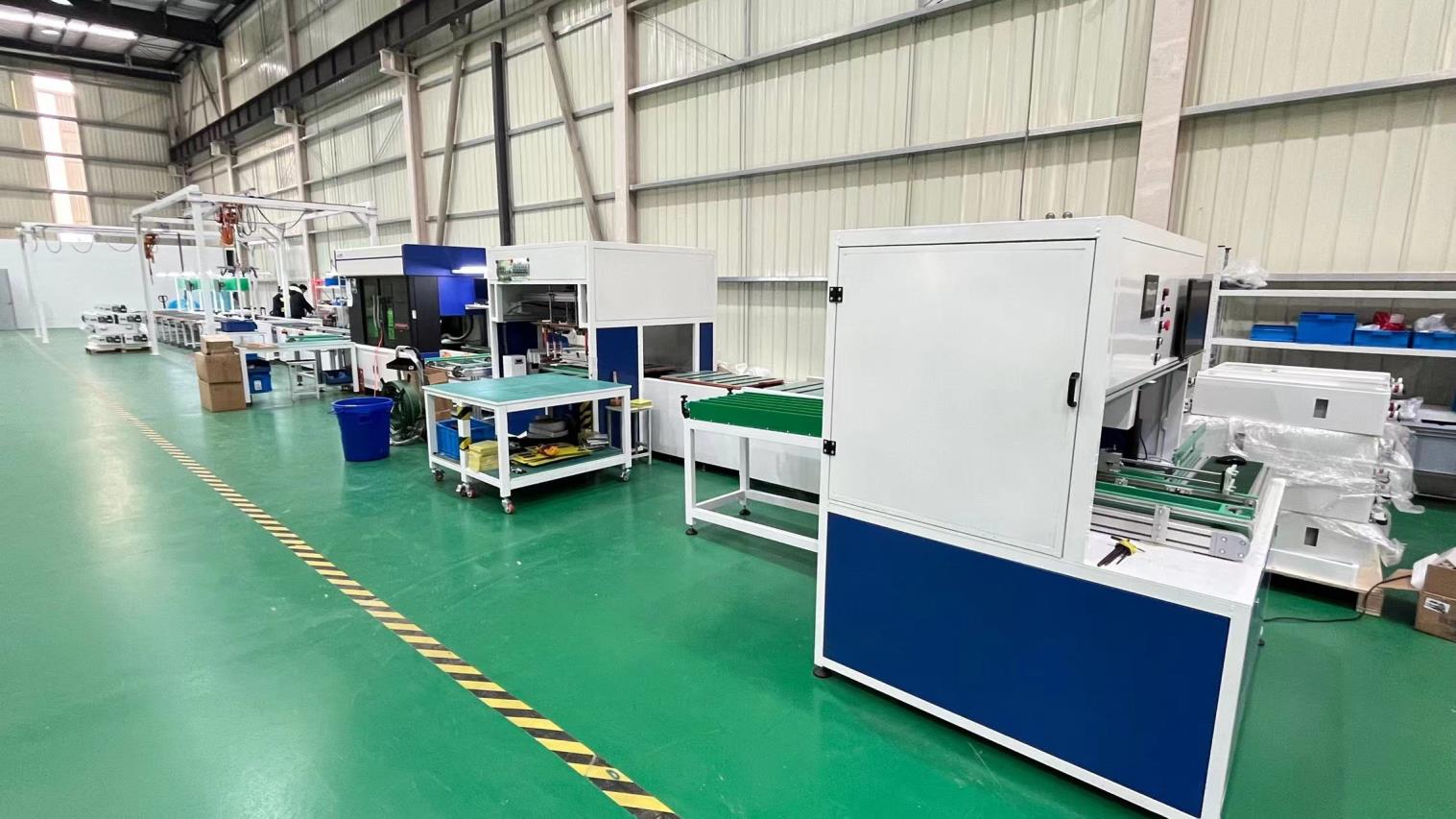
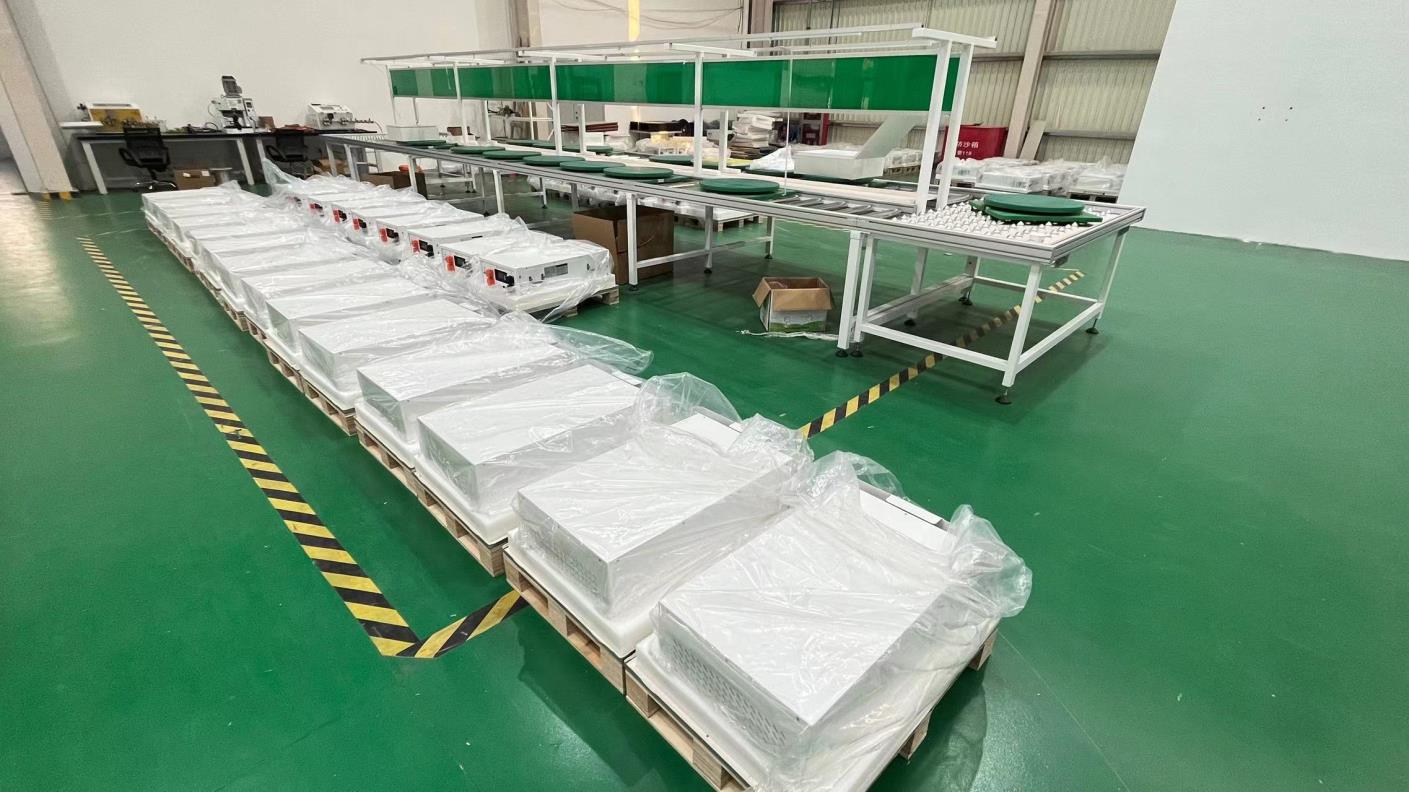
We deliver unparalleled peace of mind to B2B distributors and importers through our advanced quality frameworks and international operations.
Our plants operate under ISO9001, SA8000 & ISO14001, validating our dedication to international labor rights, workplace safety, and eco-friendly standards.
Our engineers develop bespoke high-frequency charging algorithms and robust power electronics, maximizing conversion ratios and component lifespan.
From customized chassis dimensions and communication protocols (CAN / RS485 / Modbus) to private labeling and specialized firmware modifications.
With branch offices and after-sales service centers in Pakistan, South Africa, Germany, the Netherlands, and the USA, we provide fast delivery and on-site support.
Every single lithium battery pack undergoes deep thermal, structural, and electrical aging inspections. We eliminate defects before goods leave our factory floor.
We stand behind our build quality by offering a comprehensive 5-year warranty package, fully supported by our online tracking and ticketing systems.
How we are innovating the next generation of mobile off-grid charging interfaces.
Designing chargers that accept simultaneous inputs from high-voltage solar arrays, alternators, and wind micro-turbines, maximizing power generation.
Integrating WiFi, Bluetooth, and cellular modules with machine-learning systems to predict power yields based on meteorological forecasts.
Moving mobile platforms from 12V/24V systems to 48V and 96V levels, which decreases resistance losses and speeds up charging times.
Find engineering insights, system configurations, and procurement details below.
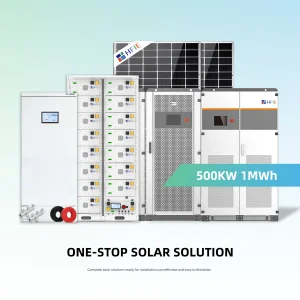
Complete solar grid-tied and hybrid power components built to maximize conversion and storage efficiency.
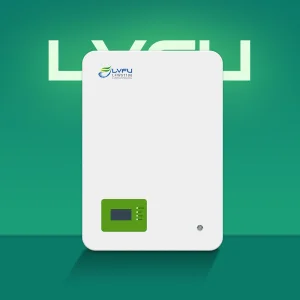
 Vires Energy