Deploying robust, grid-forming hybrid energy technologies customized for Port of Spain, San Fernando, and the wider Caribbean industrial grids.
We configure system dynamics specifically for the 60Hz local grid and high-salinity island environments of Trinidad and Tobago.
Get Project Consultation NowTrinidad and Tobago, traditionally recognized as a regional hub for hydrocarbons and natural gas within the Caribbean, is undergoing a profound structural transition towards decentralized power generation. Driven by commitments to reduce domestic natural gas consumption (freeing up fossil resources for higher-value chemical exports like ammonia and LNG) and supported by the Government's national pledge under Paris Agreements to generate 30% of its total electricity via renewable systems by 2030, the local solar industry is scaling rapidly.
However, the transition poses severe technical hurdles for local commercial facilities and utility systems. Under the management of the Trinidad and Tobago Electricity Commission (T&TEC), the national grid operates at a standard 60Hz frequency, distributing power through localized 115V/230V split-phase for residential configurations and three-phase delta/wye setups for industrial corridors like the Point Lisas Industrial Estate. The entry of variable PV without grid-forming architectures creates local voltage instability, harmonic distortions, and frequency drops. This is why Hybrid Solar Inverters have emerged as the mission-critical linchpin for stable island energy security.
Local grids suffer from transient drops due to centralized generator maintenance. Our hybrid systems act as instantaneous primary reserves using sub-10ms automatic transfer switches.
Redirecting local hydrocarbon combustion to commercial solar installations helps Trinidadian industries lower emissions profiles and satisfy international supply-chain audits.
Our smart inverters incorporate frequency-voltage droop curves and active anti-islanding parameters aligned with Caribbean distributed generation guidelines.
In Trinidad and Tobago, commercial entities face unique energy challenges. While retail power tariffs remain relatively low compared to neighboring Caribbean islands due to historical subsidies, the reliability of supply, voltage sags, and peak demand surcharges represent significant overhead costs. Hybrid inverter systems from Jiangsu Vires Energy Co., Ltd. address these inefficiencies head-on.
Precision manufacturing, plastics, food processing, and assembly lines cannot tolerate even micro-second voltage interruptions. Our hybrid inverters integrate seamless, high-capacity battery bank interfaces (up to 400V DC bus) that isolate industrial machinery from voltage sags, guaranteeing clean sine-wave delivery under heavy inductive loads (motors, compressors, chillers).
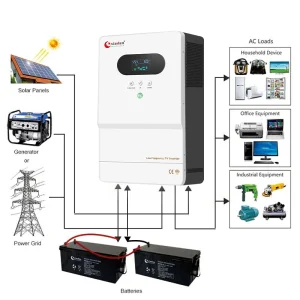
Tobago's tourism economy relies heavily on preserving the pristine environment. Eco-lodges, boutique resorts, and communication repeaters operate on fragile utility lines far from main power plants. High-efficiency off-grid and hybrid smart inverters with dual MPPT track and capture maximum PV yield while offering auxiliary inputs for local diesel generators, creating a self-healing microgrid system.
For agribusinesses in Central Trinidad, continuous refrigeration is non-negotiable. Hybrid systems allow solar generation to directly run refrigeration compressors during the day, store excess power in lithium iron phosphate (LiFePO4) batteries, and automatically blend utility power during cloudy intervals without thermal shock to inventory.
Seeking bulk supply for utility or commercial projects in CARICOM?
Get Volume QuotesAs a top-tier Chinese clean energy manufacturer, Jiangsu Vires Energy Co., Ltd. controls the entire production chain. Every step of our ISO9001/ISO14001 certified process utilizes automated systems to ensure flawless thermal performance and electrical resilience.
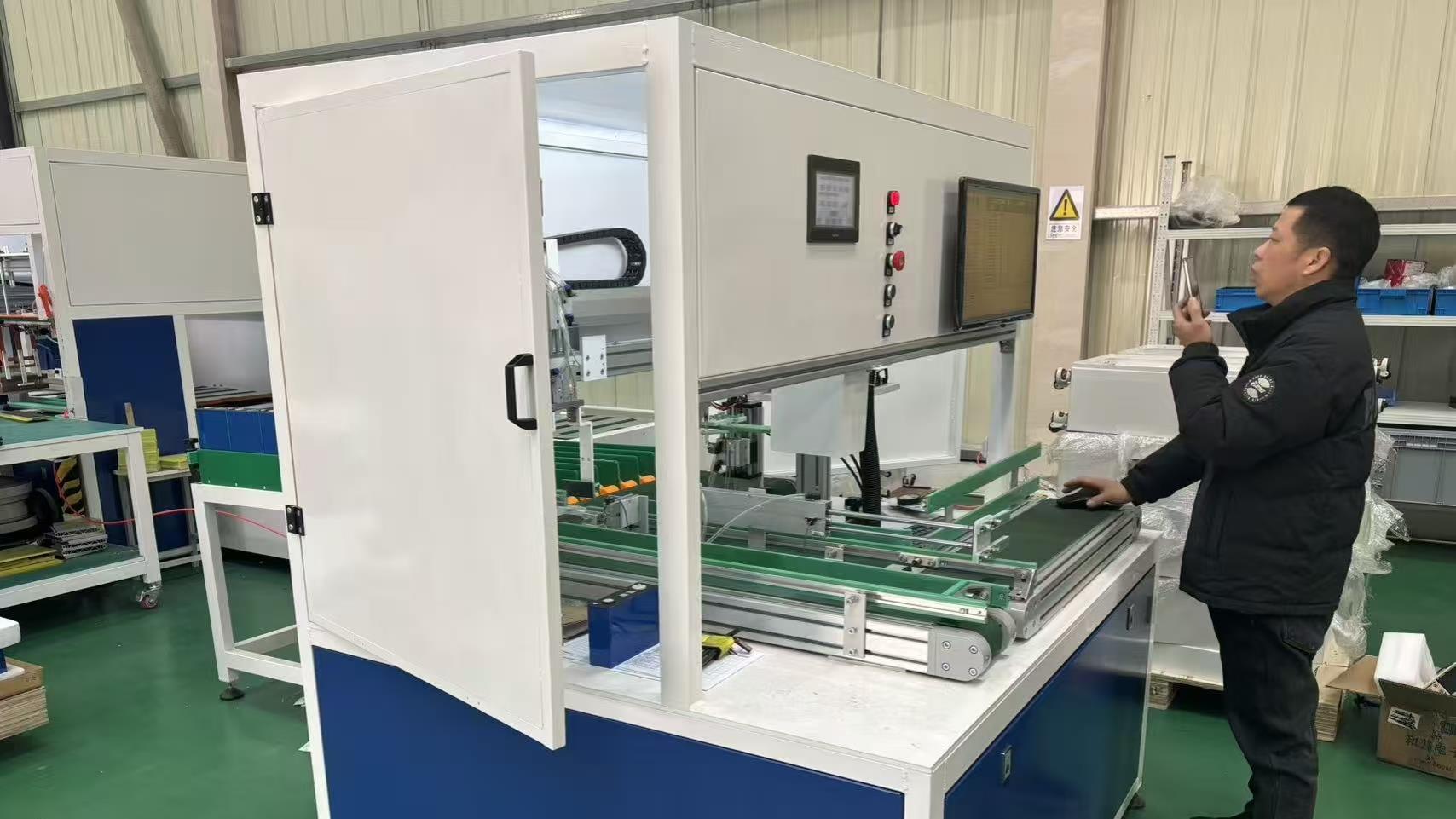
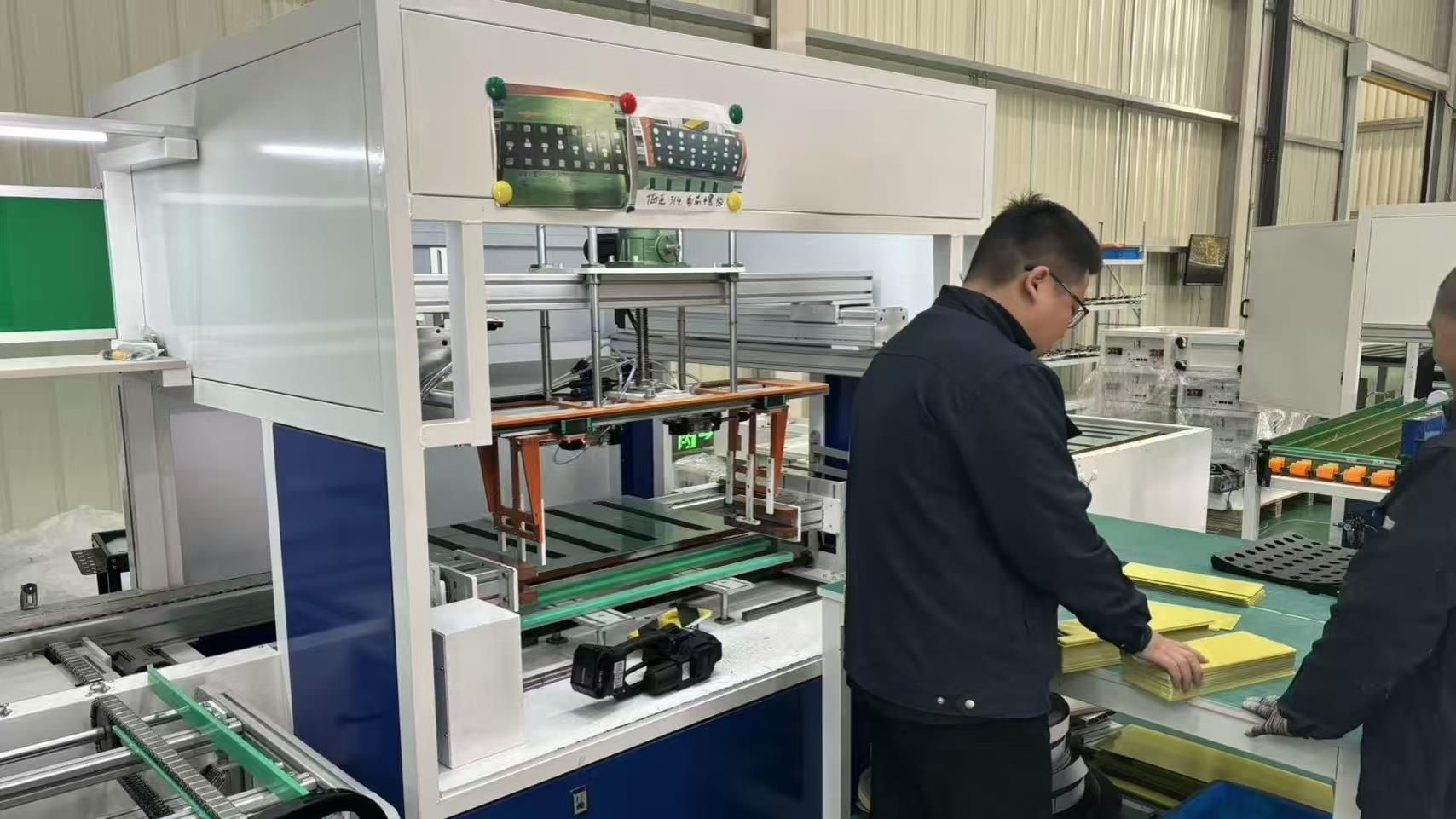
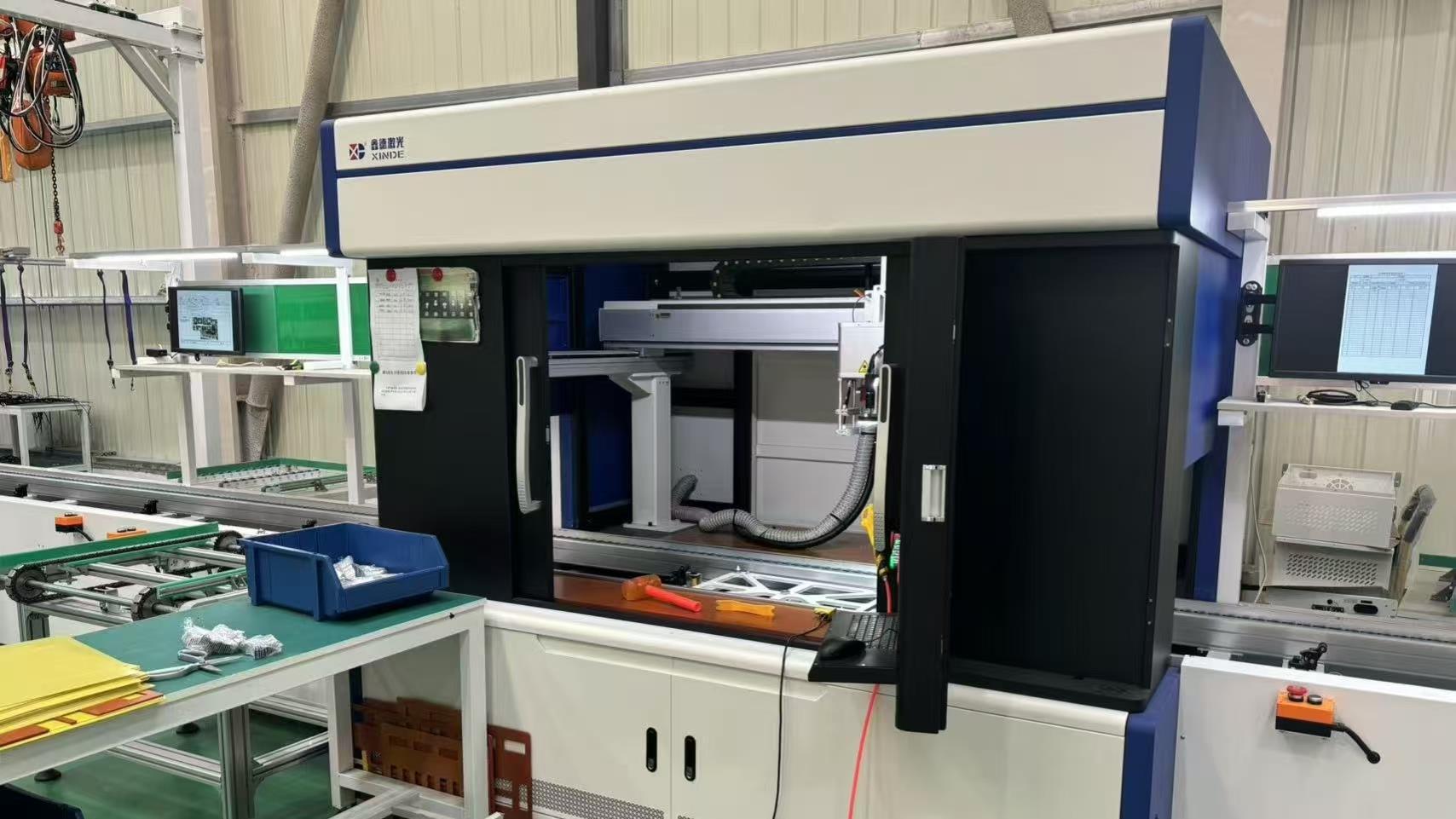
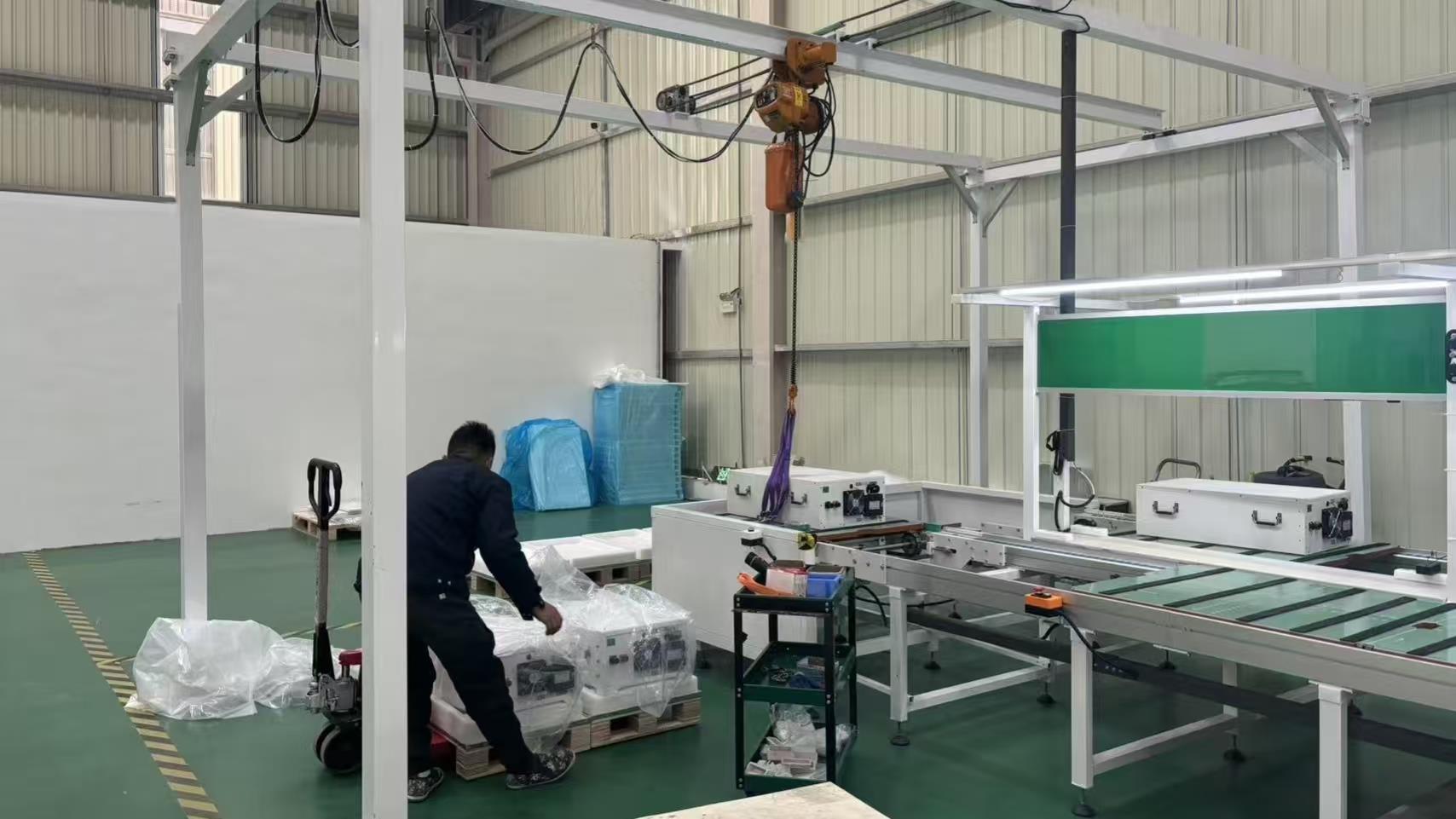
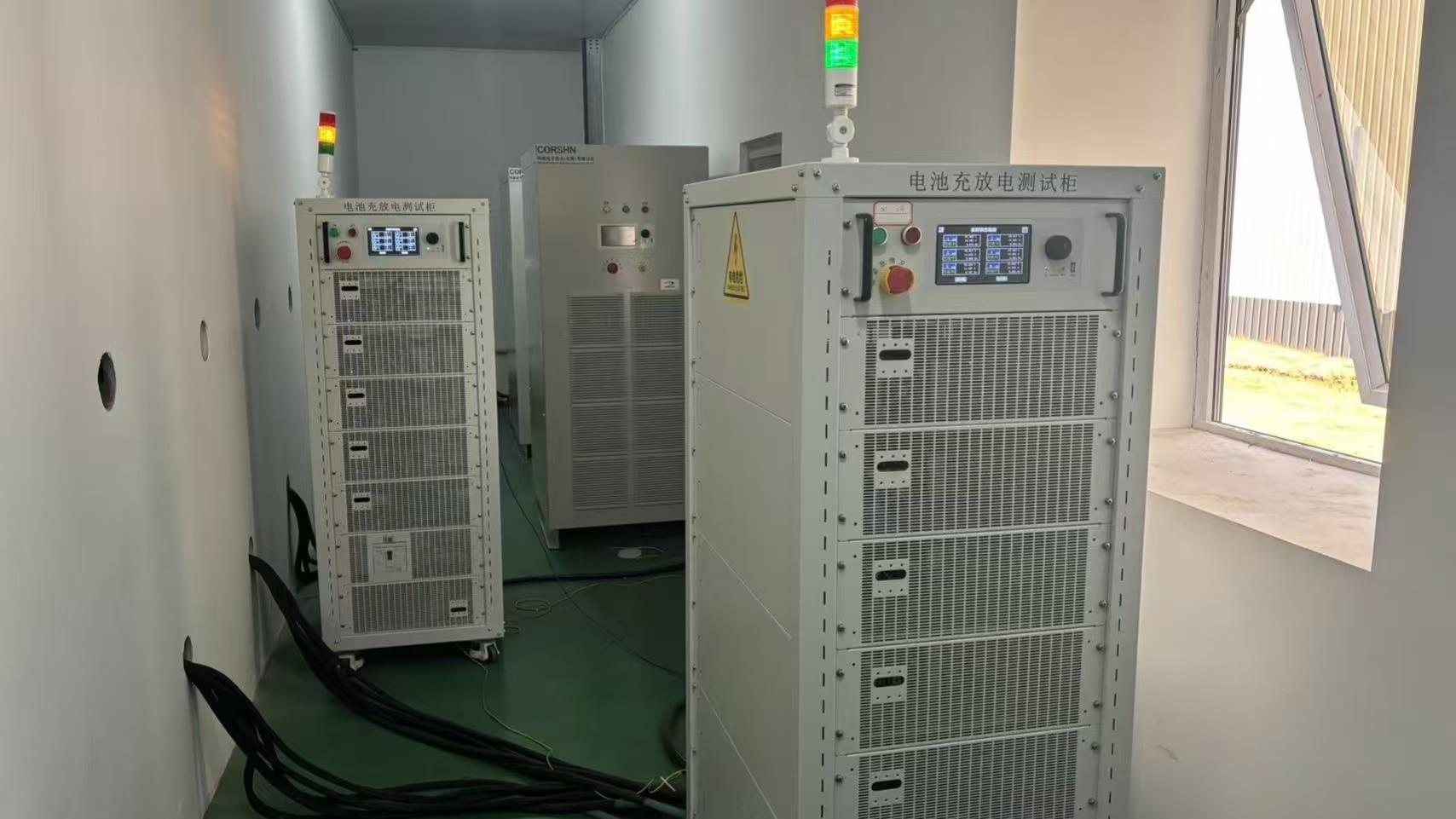
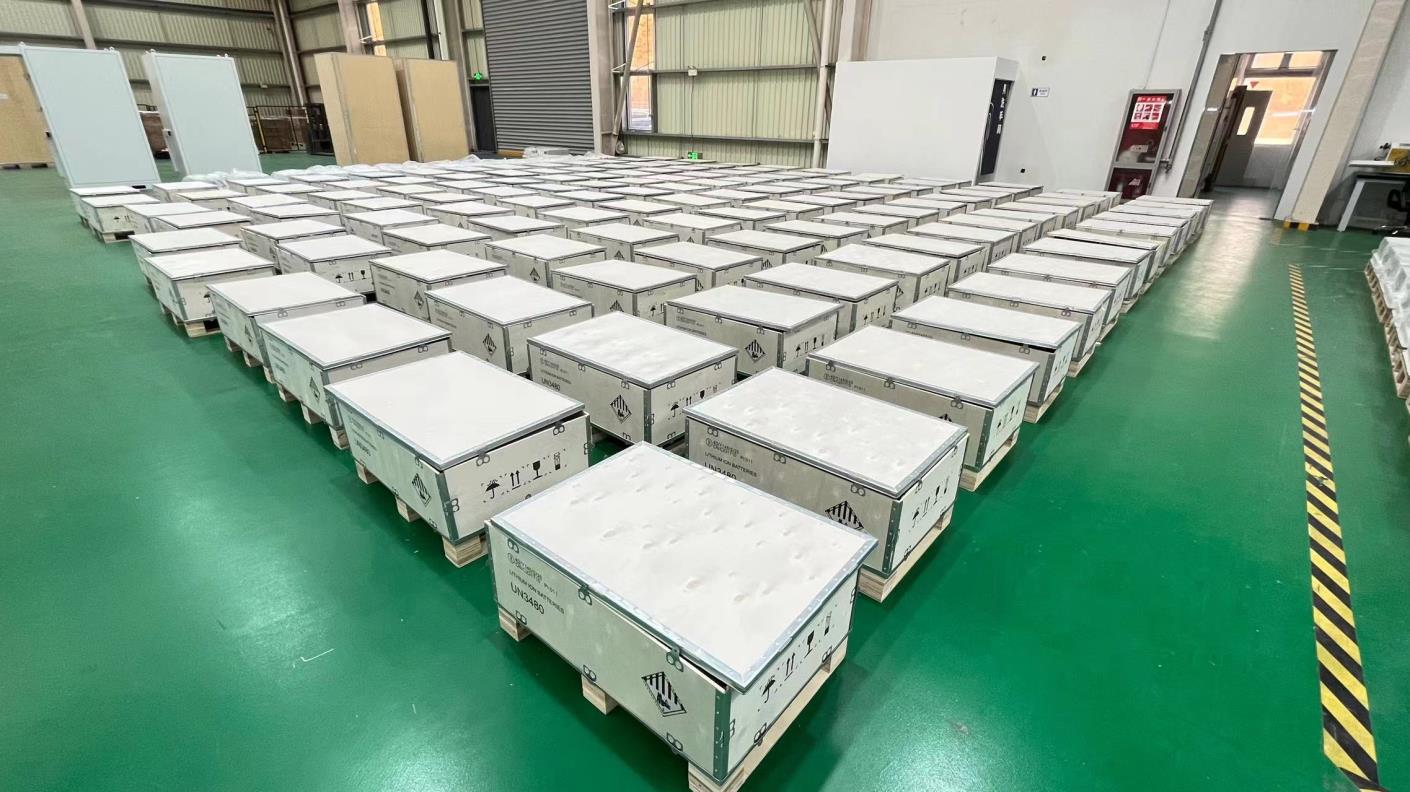
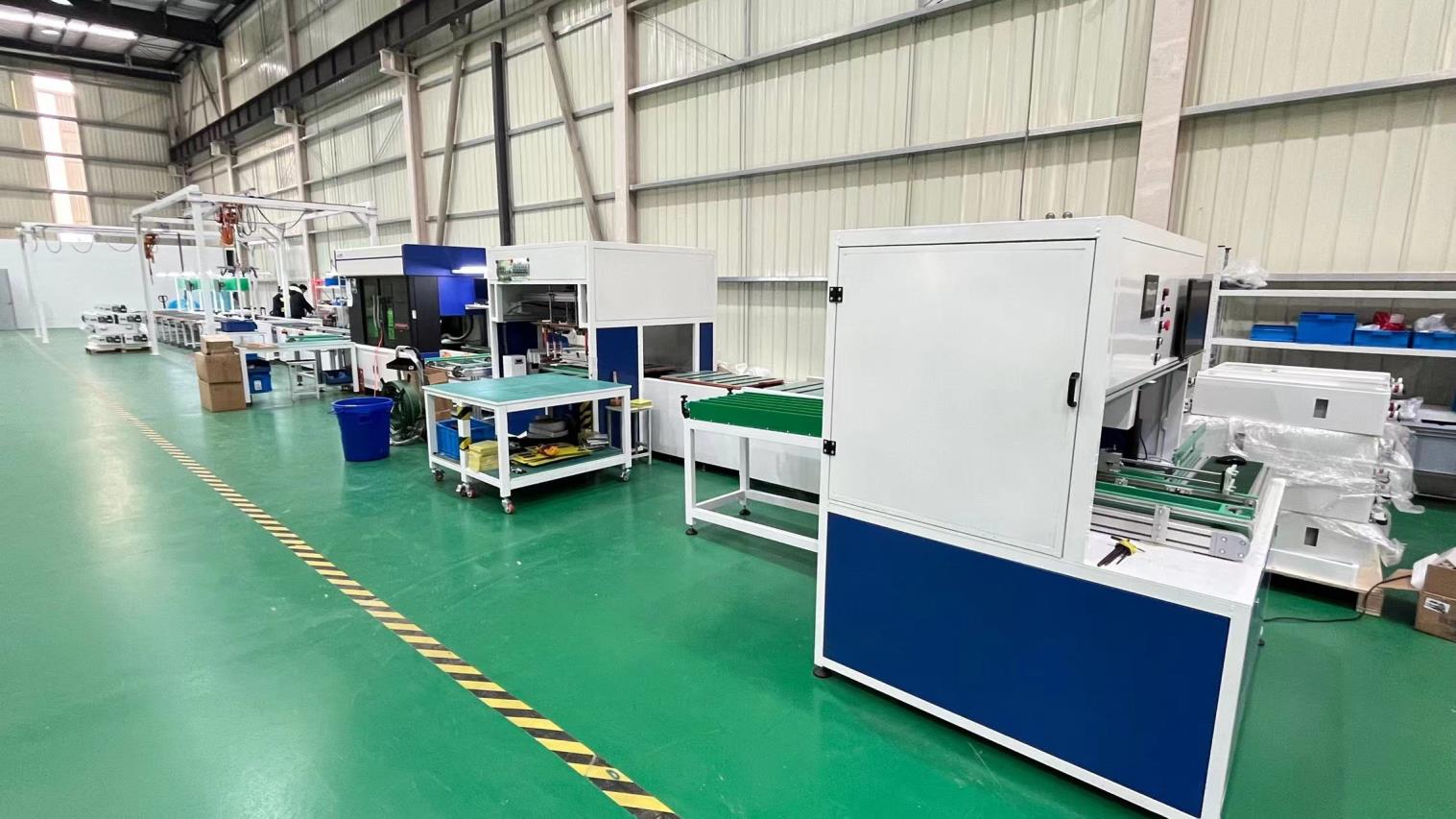
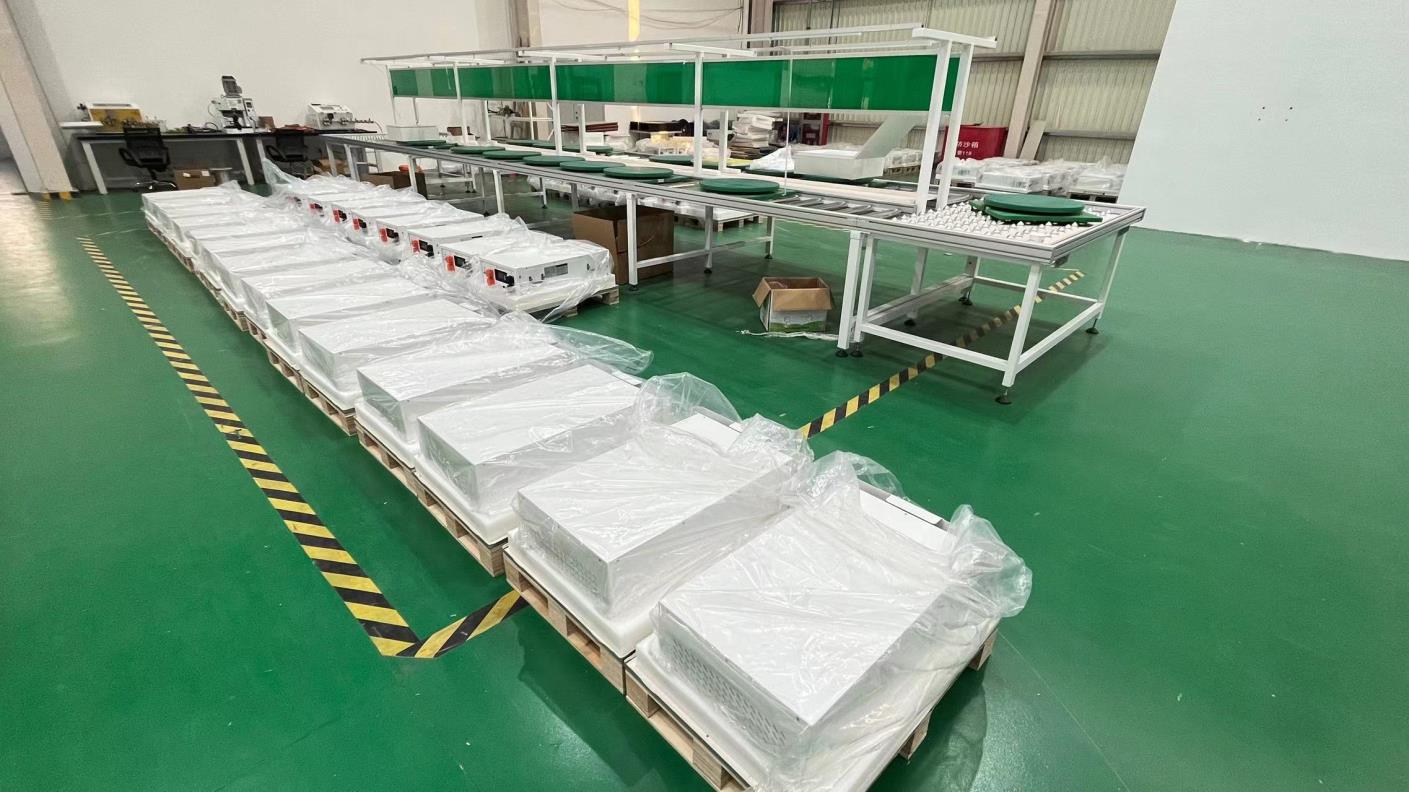
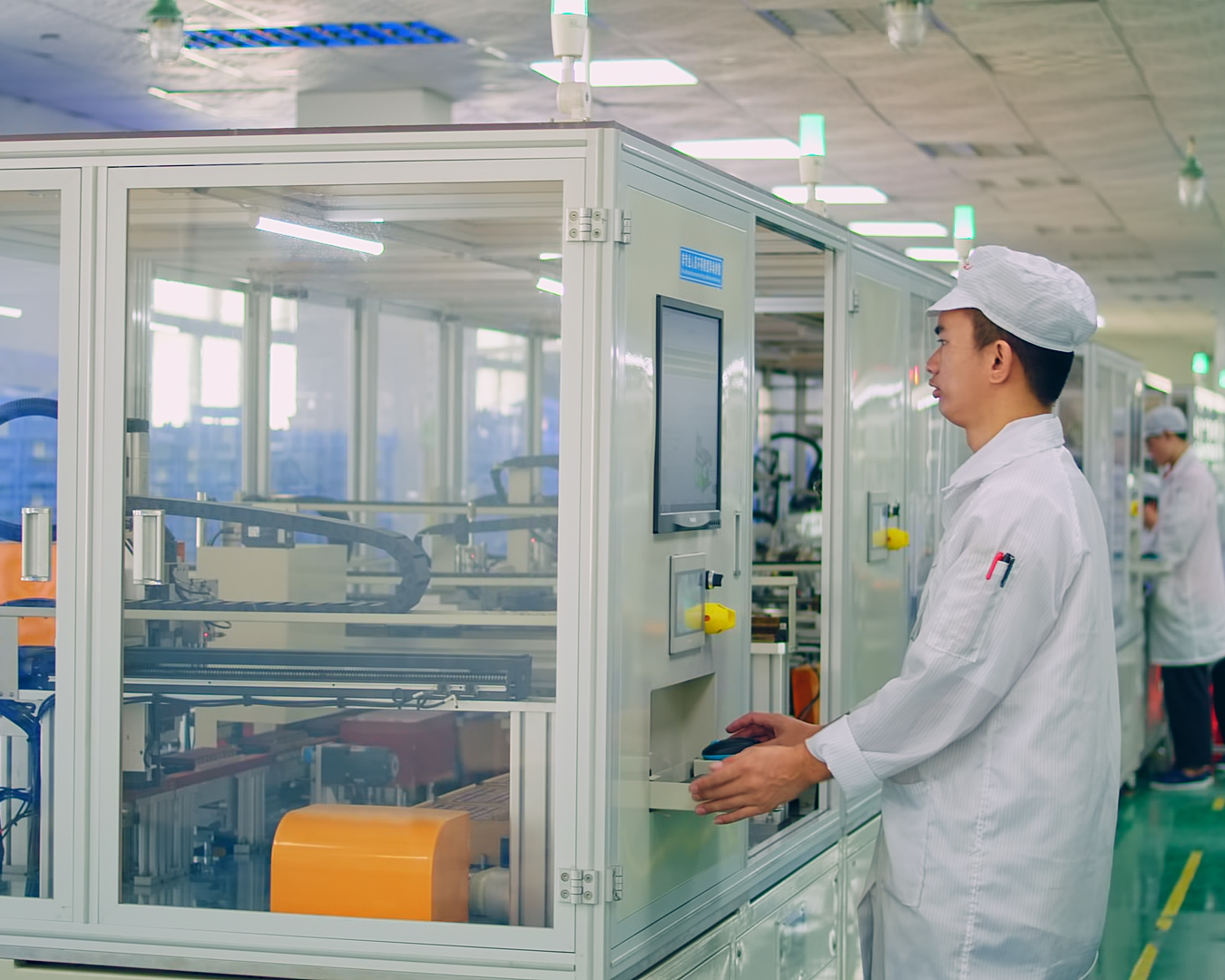
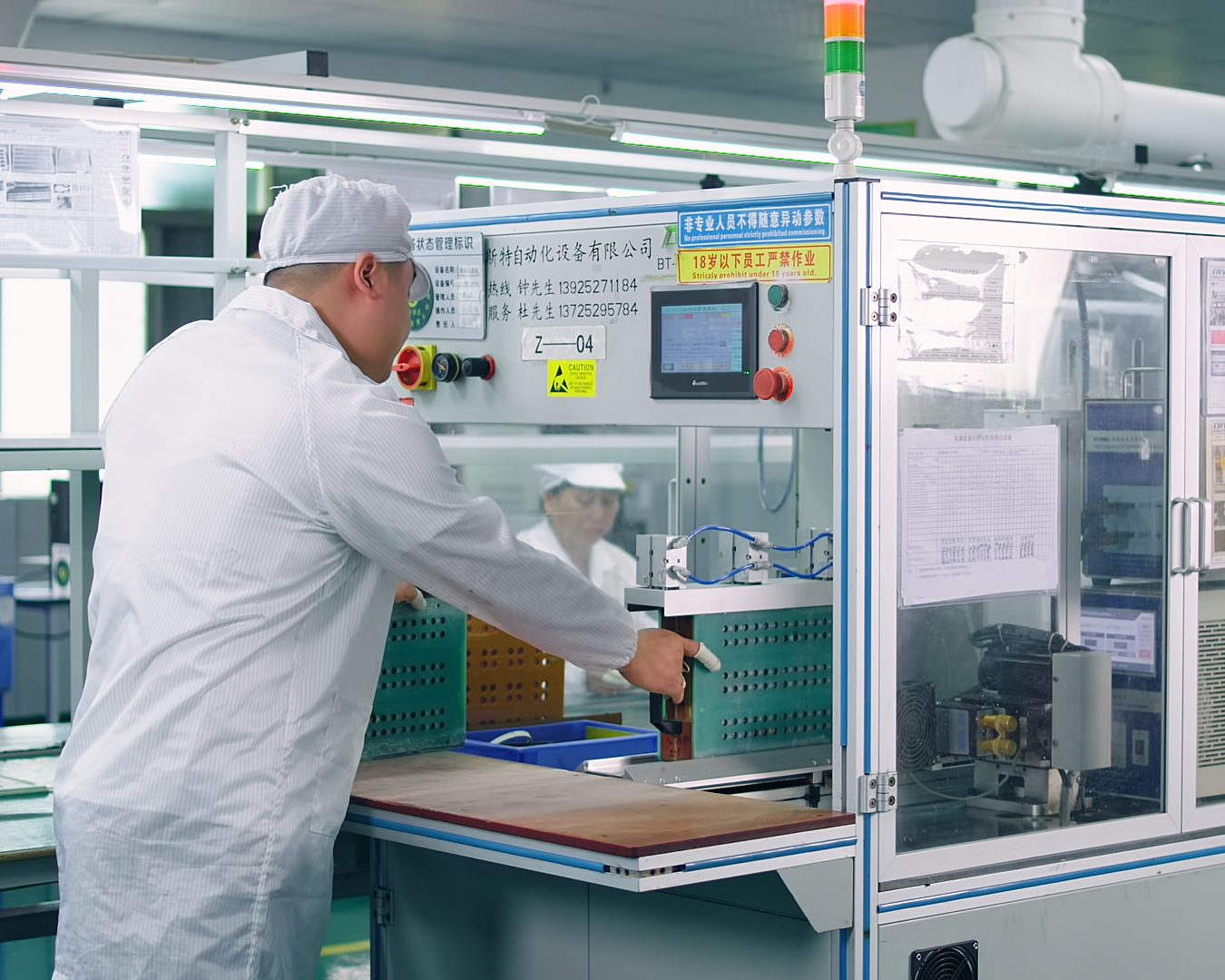
Jiangsu Vires Energy Co., Ltd. is a leading manufacturer specializing in home solar power systems with nearly 20 years of experience in the renewable energy industry. We are recognized as one of the top manufacturers in China and have established branch offices and after-sales service centers in key global markets, including Pakistan, South Africa, Germany, the Netherlands, and the USA. Our expansion into the Caribbean and the wider CARICOM trading block marks our dedication to high-availability localized power systems.
Operating solar arrays and hybrid power electronics in Caribbean islands exposes sensitive components to harsh environments. Trinidad & Tobago's coastal industries in Point Lisas or Point Fortin face high ambient relative humidity (frequently exceeding 85%) paired with saline, salt-laden sea air. Salt fog deposition on electrical connections causes galvanic corrosion, rapid tracking degradation, and arc fault failures.
To combat this, Vires Energy inverters feature IP65 or higher ingress protection ratings, sealed cooling ducts, and conformal-coated printed circuit board assemblies (PCBA). This prevents conductive salt bridges from forming on high-voltage power paths. Furthermore, because ambient temperatures consistently range between 30°C and 35°C, standard inverters often face significant thermal derating. Vires Energy hybrid systems use intelligent, active heat dissipation via speed-controlled brushless DC fans, ensuring continuous rated power delivery up to 45°C without system shutdown.
Select from our highly compliant range of grid-forming, three-phase, and single-phase solar integration technologies.
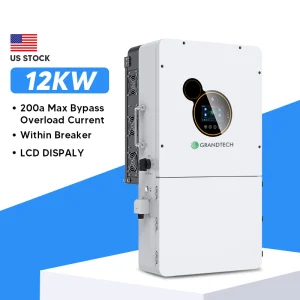
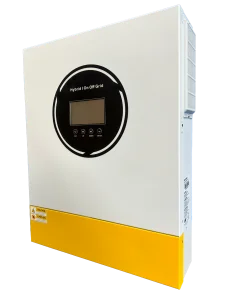
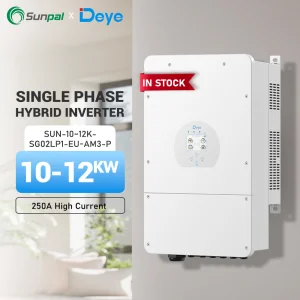

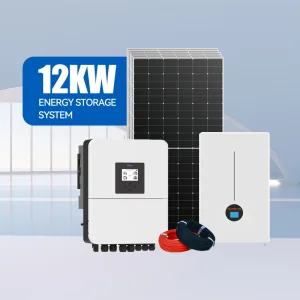
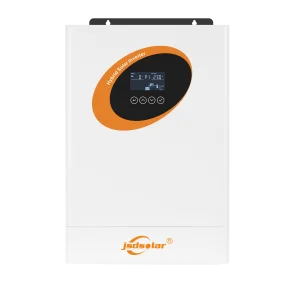
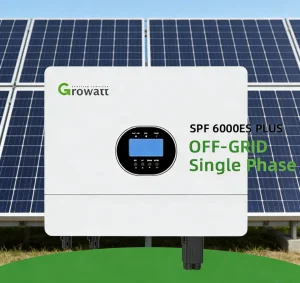
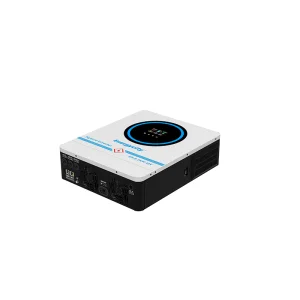
For the remaining systems in our catalog—including 5kW/10kW/20kW Wi-Fi Monitored Home Power Systems, 24VDA 3.6kW 60Hz models, and EU stock options—please contact our technical sales desk directly.
Inquire About Remaining ProductsAs the Caribbean grid scales up its adoption of utility-scale storage, Vires Energy is focusing its R&D efforts on key technical milestones to meet the specific requirements of the local market:
Our upcoming software integrations will allow distributed Vires Hybrid Inverters across Trinidad and Tobago to form aggregate VPP pools. These networks can dynamically inject power to stabilize the T&TEC grid during sudden frequency drops.
Our inverters feature Dry Contact integration to manage backup diesel generators, starting them only when battery capacity drops below a designated threshold, saving up to 45% on local diesel consumption.
Deploying remote telemetry through modular IoT-GPRS cards. Commercial engineering teams can monitor efficiency parameters from any device in Port of Spain or overseas.
Contact our engineering and procurement team for technical datasheets, CAD designs, single-line diagrams, and customized factory pricing.
Send Inquiry Now Vires Energy