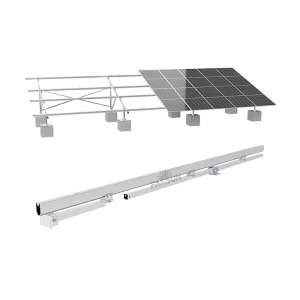
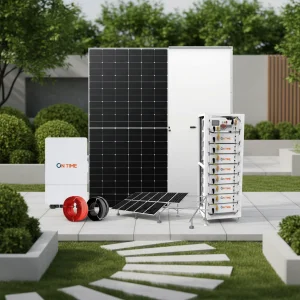
Explore our highly integrated solar storage systems, lithium batteries, smart mounting structures, and utility hardware for worldwide deployment.
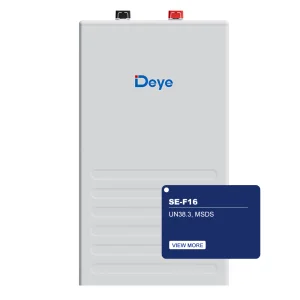
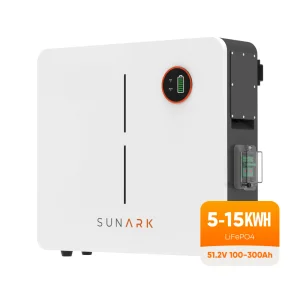
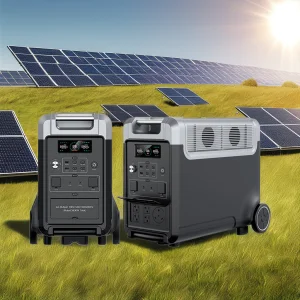
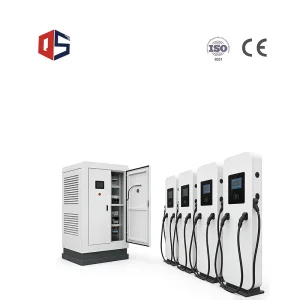
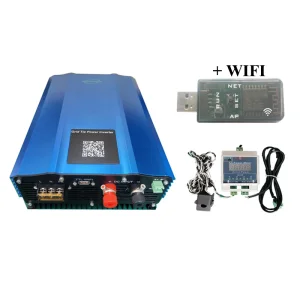
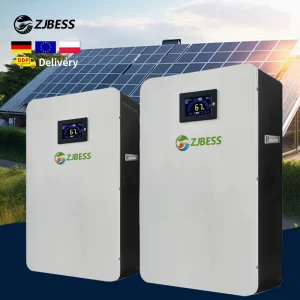
The worldwide transition towards decentralized energy architectures is accelerating at an unprecedented pace. Traditional centralized grids are increasingly vulnerable to weather-induced failures, geopolitical stresses, and aging transmission infrastructure. In response, engineering teams and municipal developers are shifting investments to compact solar power systems. These modules integrate energy generation, state-of-the-art power conversion, and electrochemical storage into highly localized, space-efficient footprints.
By locating generation assets directly at the point of consumption (behind-the-meter), transmission and distribution losses are practically eliminated. This paradigm shift has enabled commercial properties, residential developments, and remote industrial outposts to achieve grid independence, significantly lower their carbon footprints, and dramatically reduce the Levelized Cost of Energy (LCOE).
Offloading dependency on the grid protects vital operations against massive outages. Microgeneration pairs with battery storage to guarantee 24/7 business continuity.
Federal incentives like the USA's Inflation Reduction Act (IRA) and the EU's RePowerEU offer tax credits and feed-in tariffs, maximizing payback rates.
Analyzing current technical trajectories from traditional lead-acid systems to solid-state, AI-managed power infrastructures.
Deployment of high-capacity 314Ah and 100Ah LiFePO4 cells to ensure thermal stability, zero cobalt exposure, and lifecycle durability surpassing 6,000 cycles at 80% Depth of Discharge (DoD).
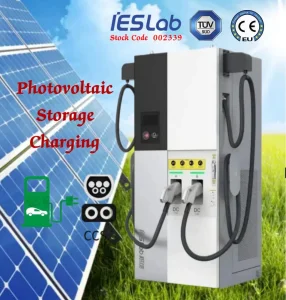
Direct integration of solar storage with DC Fast Charging (CCS2/GBT protocols). Power is routed directly from PV panels through high-voltage battery buffers, bypassing AC conversions to boost charger efficiency to over 95%.
Incorporation of intelligent MPPT controllers and internet-enabled Battery Management Systems (BMS) with neural networks capable of predicting solar yields and pricing fluctuations to optimize dispatch patterns.
Transitioning from liquid electrolytes to solid-state technology, eliminating fire hazards, enabling faster charge times, and reducing physical footprints by 40% for extremely space-constrained applications.
Jiangsu Vires Energy Co., Ltd. is a leading manufacturer specializing in home solar power systems with nearly 20 years of experience in the renewable energy industry. We are recognized as one of the top manufacturers in China and have established branch offices and after-sales service centers in key global markets, including Pakistan, South Africa, Germany, the Netherlands, and the USA.
Our mission is to empower households and businesses with reliable, efficient, and eco-friendly solar energy solutions. We are committed to driving the global transition to sustainable energy while maintaining the highest standards of quality, safety, and customer satisfaction.
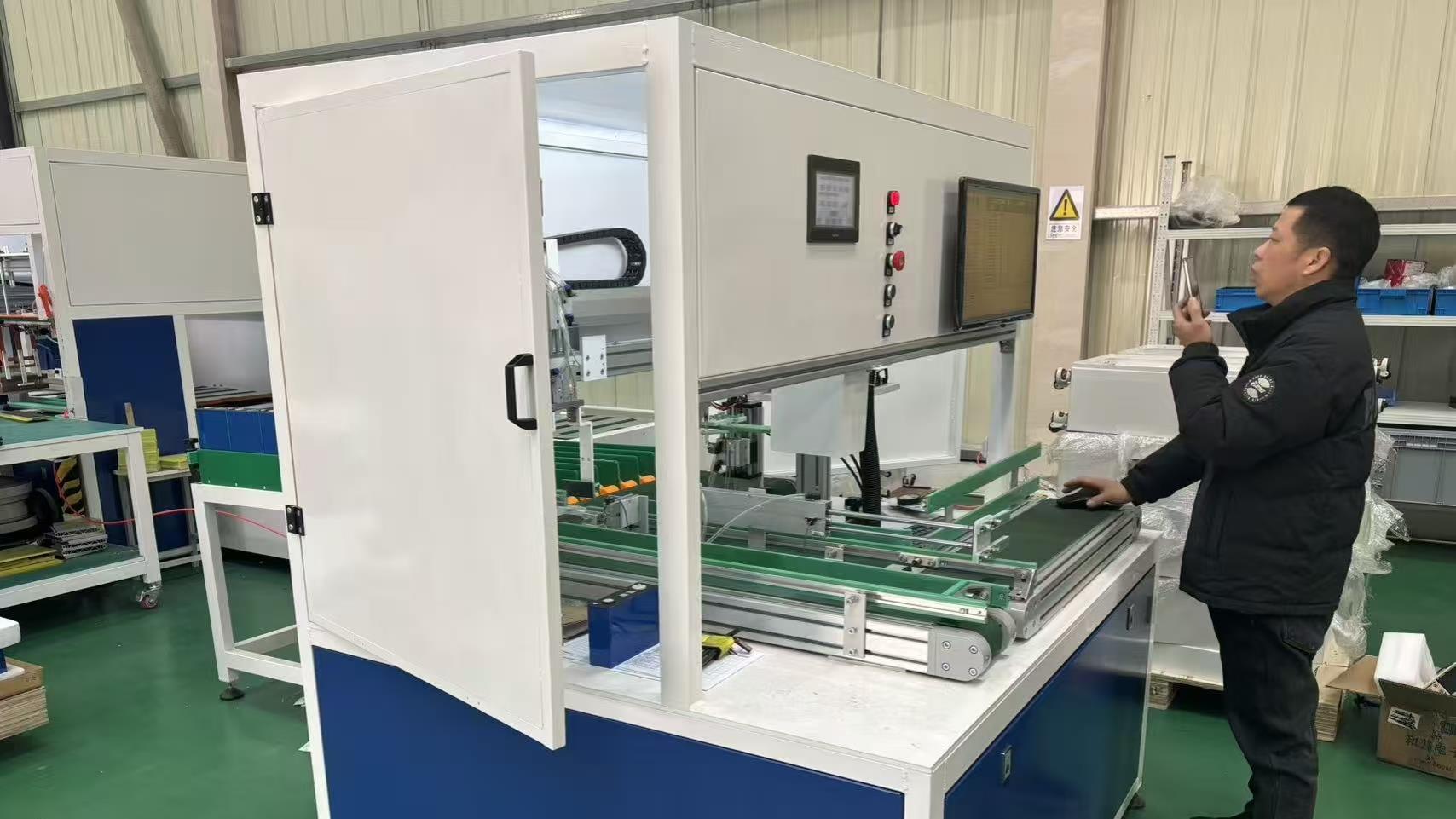
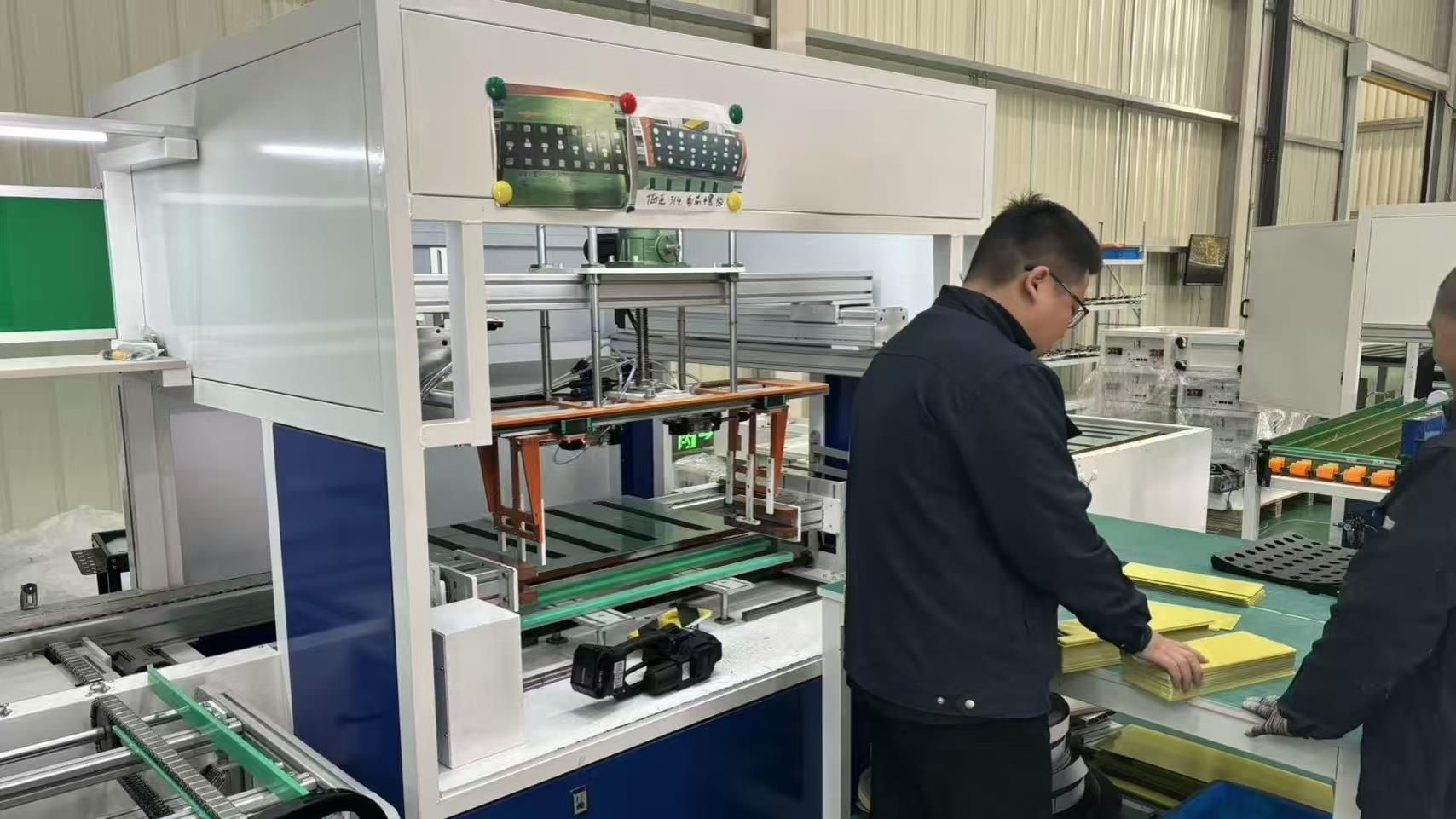
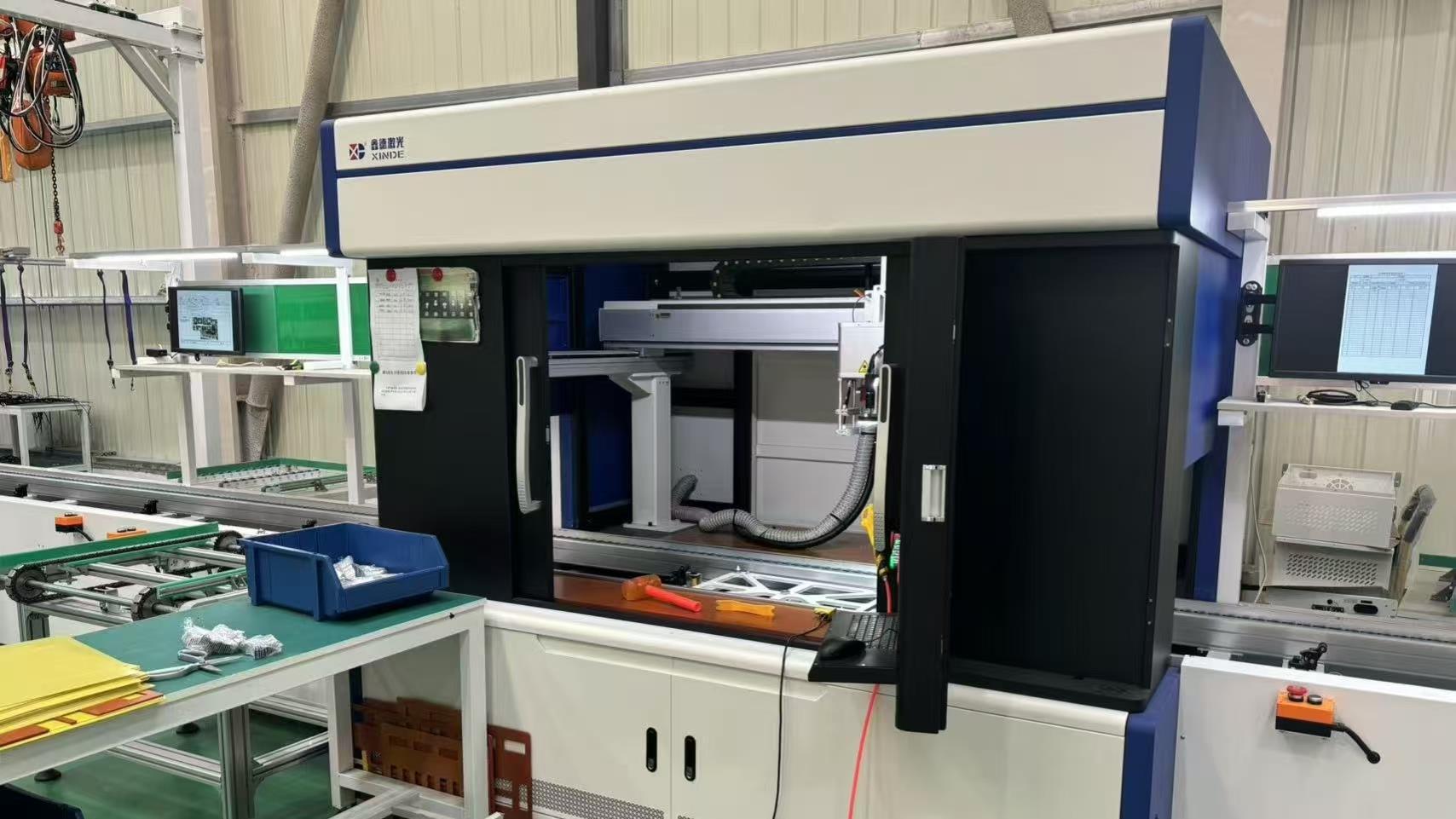
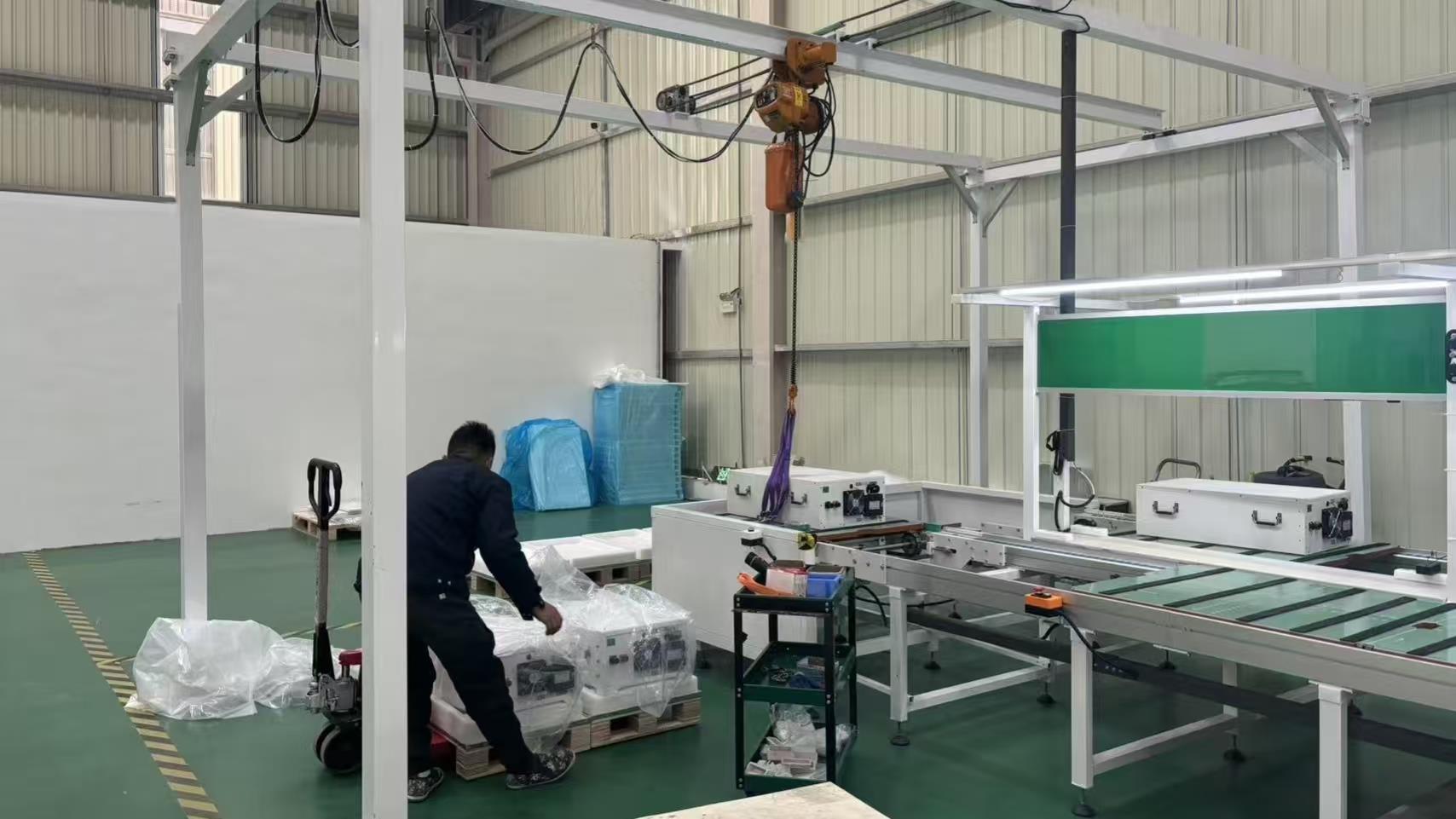
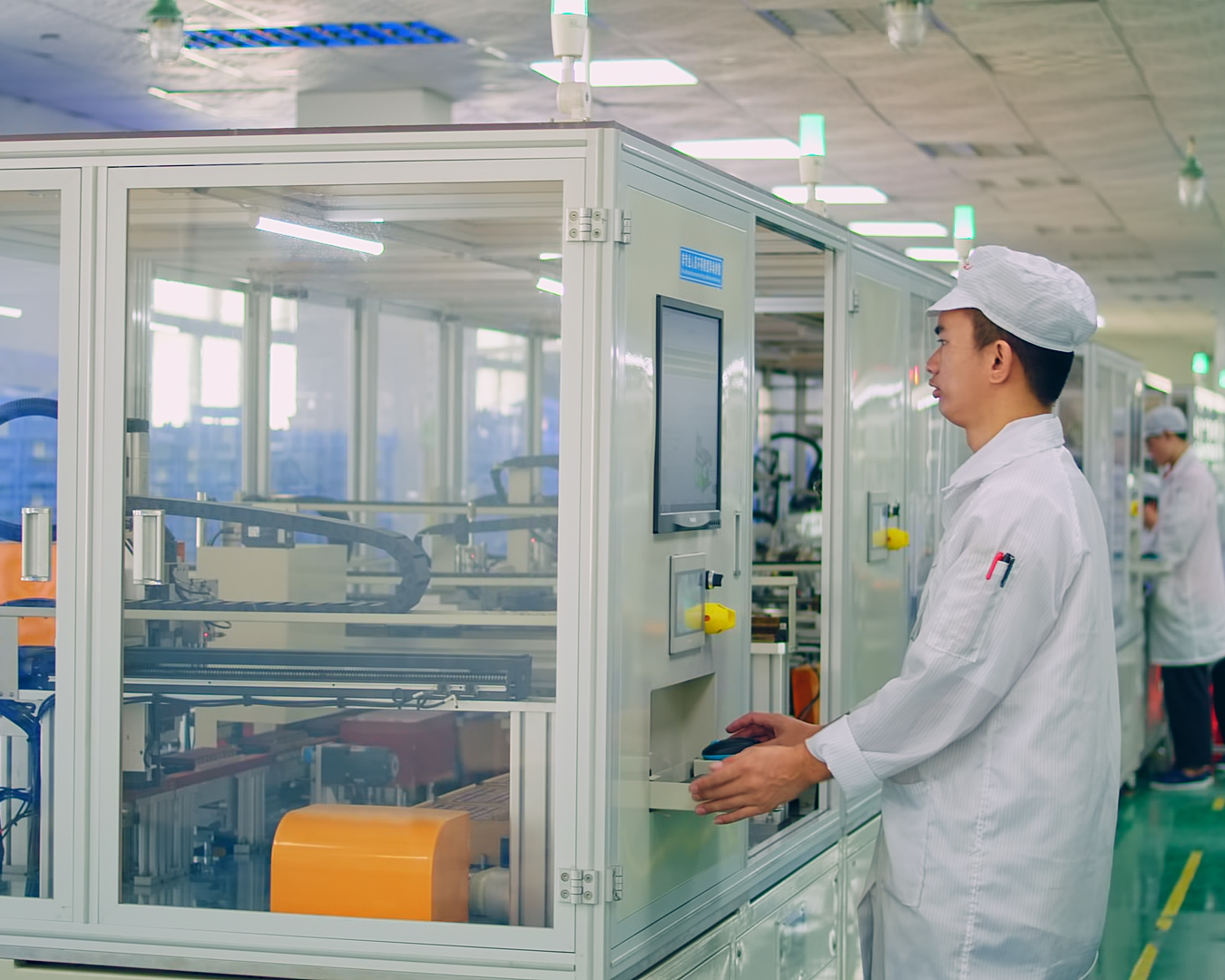
A fully automated workflow from precision material handling to rigorous dynamic stress testing, validating every storage system under strict factory protocols.
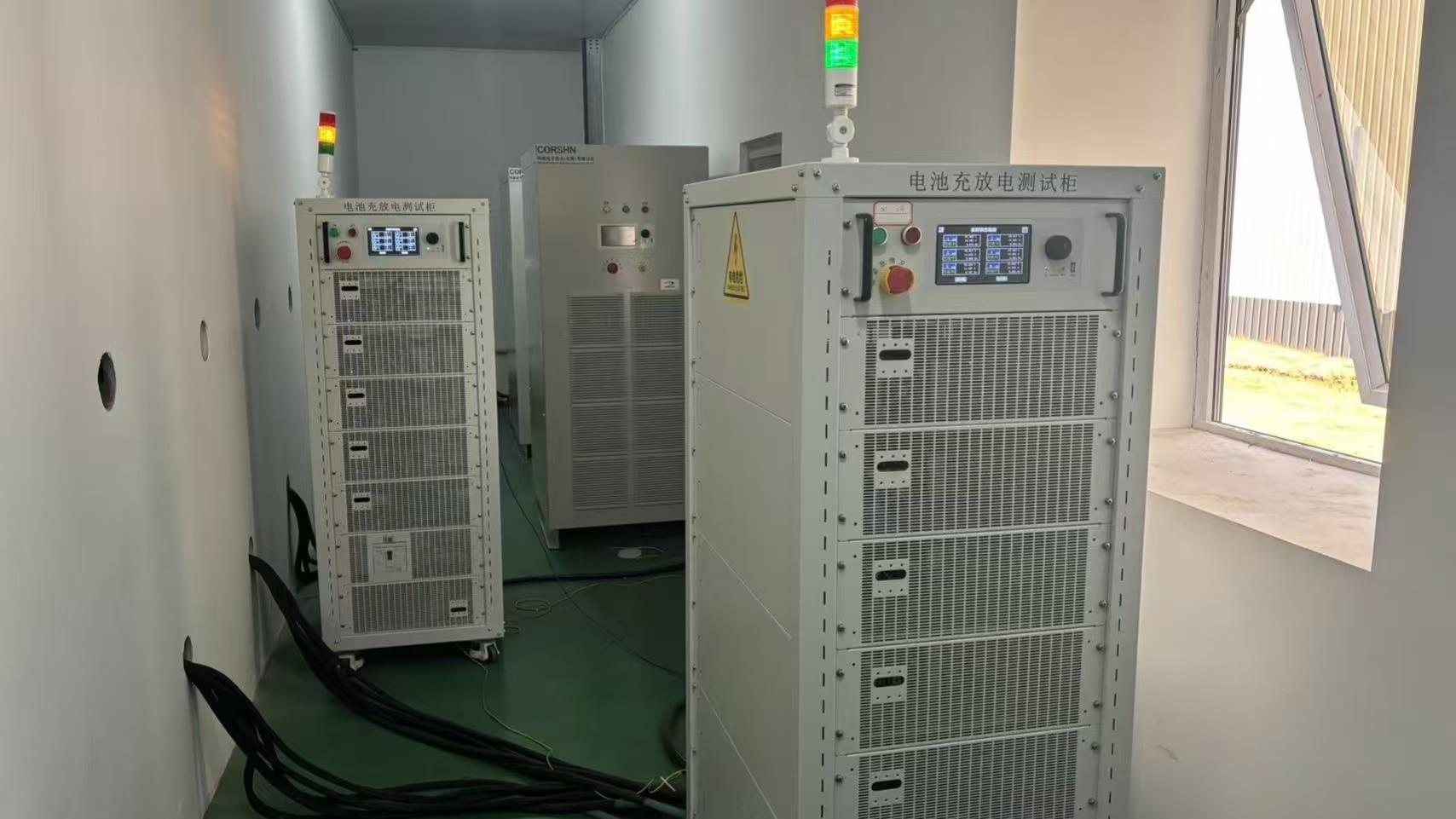
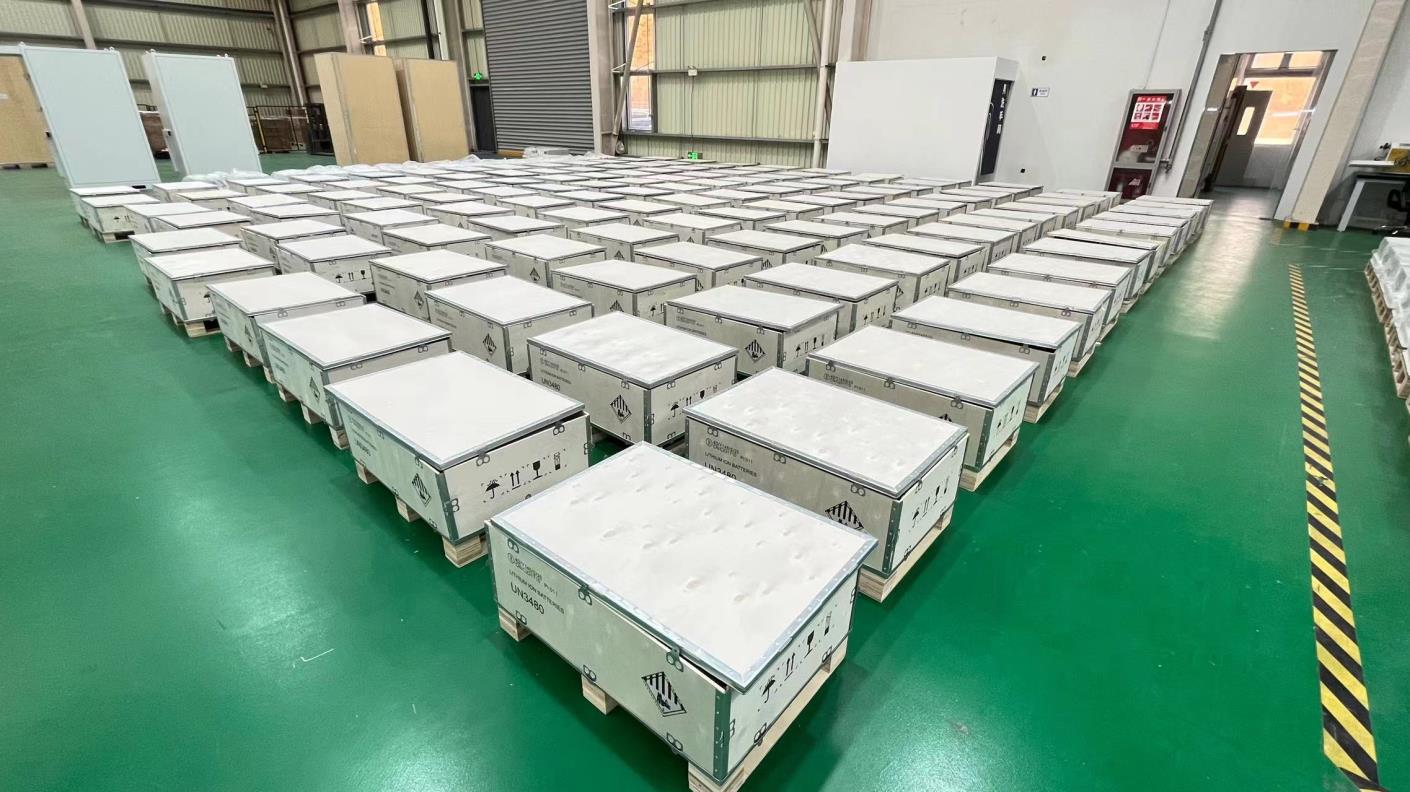
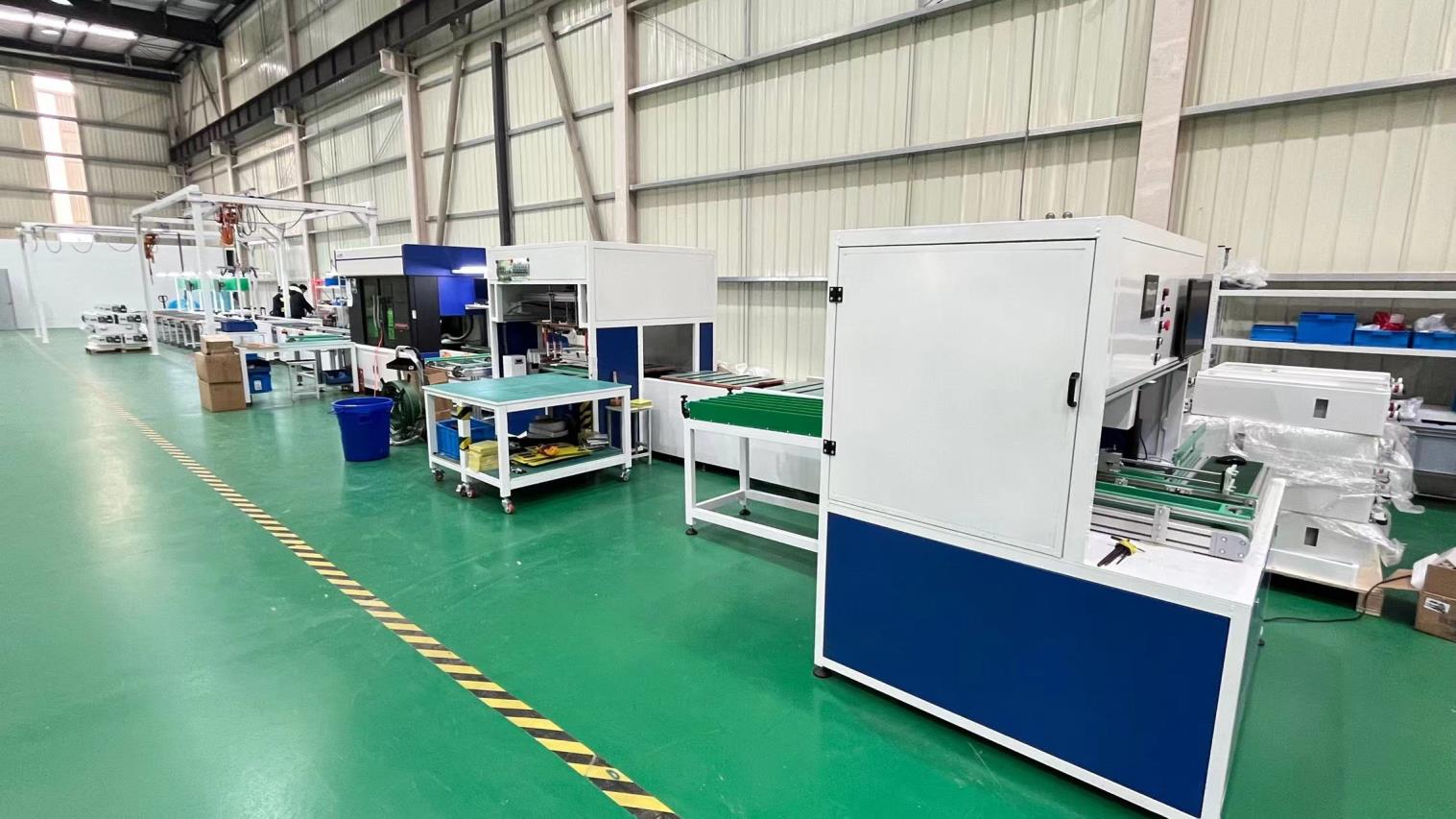
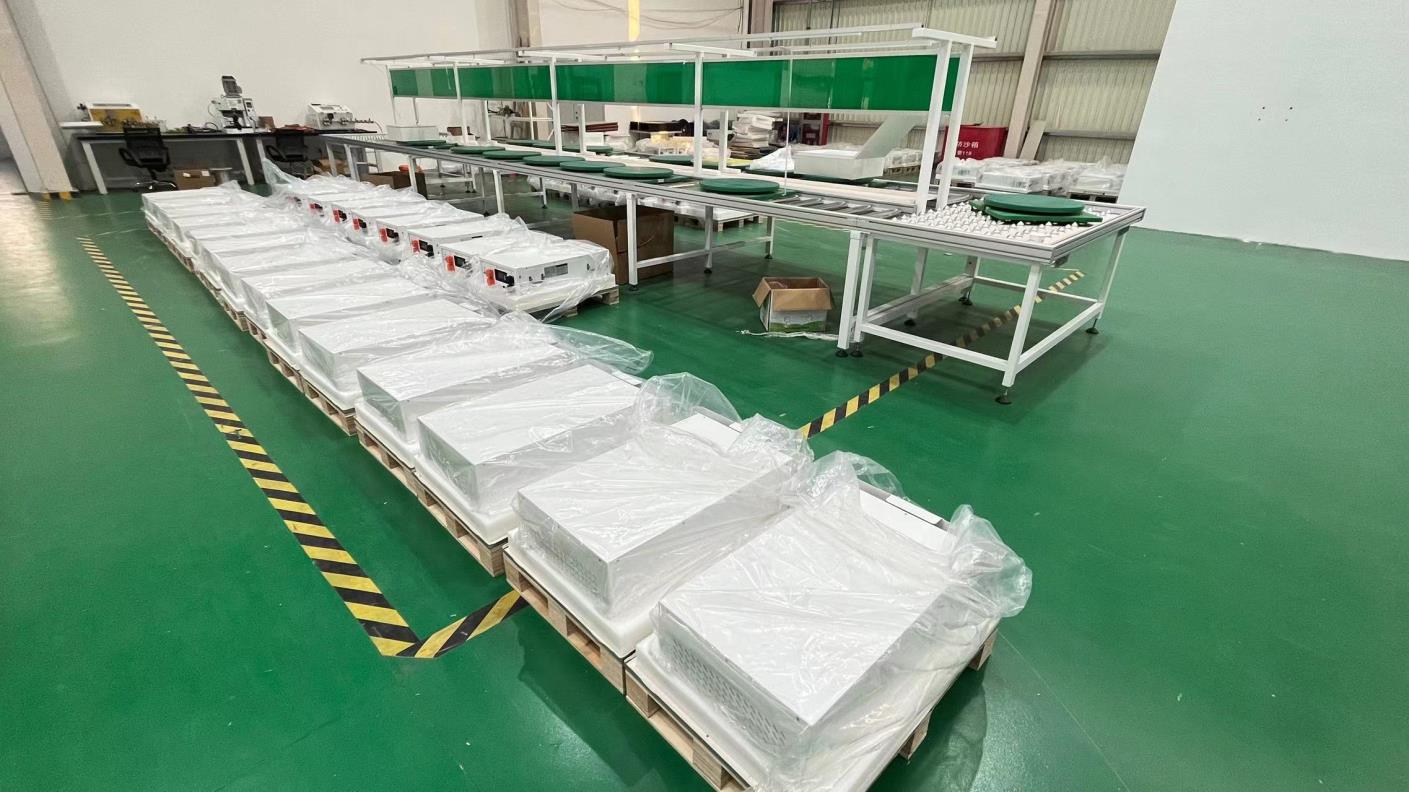

How compact solar energy systems are adapted globally to overcome unique geographic, municipal, and infrastructure challenges.
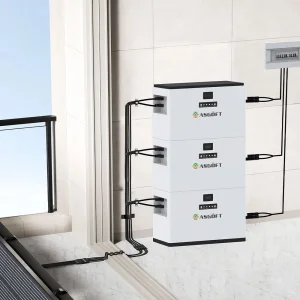
In densely populated cities like Berlin and Amsterdam, traditional rooftop space is scarce. Highly-integrated systems (such as the EU Stock 3.8kWh Balcony Solar System) connect directly to standard wall outlets, feeding solar power straight into the home's electric circuit while maintaining an IP65 waterproof rating against harsh winters.
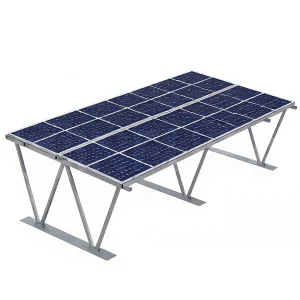
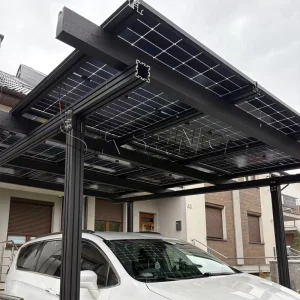
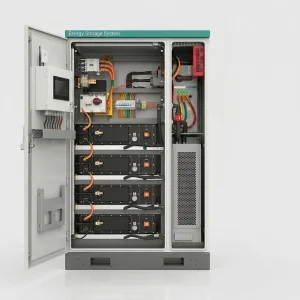
For operations demanding substantial peak-shaving and dynamic grid backup, industrial-grade floor systems (like the stackable 51.2V 100Ah battery system and high-voltage configurations) manage heavy loads. They coordinate with solar-sheltered carports to protect fleets while generating carbon-offsetting power.
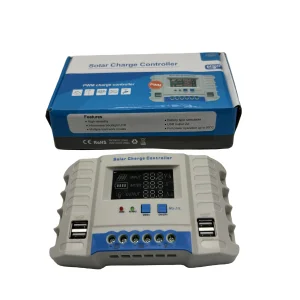
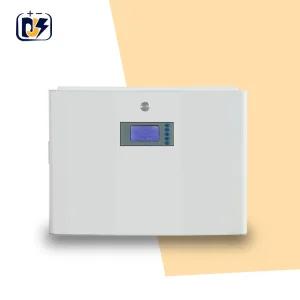
In highly solar-intensive regions suffering from power fluctuations, such as parts of South Africa and Pakistan, our customizable, wall-mounted batteries work alongside hybrid MPPT controllers. This configuration ensures consistent current, smoothing voltage spikes and preventing hardware damage during grid outages.
Implementing compact solar components requires detailed coordination across multiple systems. Designing a highly functional array is not just about choosing panels; it demands an understanding of electrical engineering integration:
By planning for these factors, engineers can extend the operational life of their battery systems, limit balance-of-system hardware degradation, and maximize long-term return on investment.
When evaluating manufacturers, commercial buyers should consider the relationship between upfront manufacturing costs and the total lifetime operations cost of the battery storage system.
6,000 Cycles @ 80% DoD translates to over 15 years of daily cycling, offering a lower cost per stored kilowatt-hour (LCOS) compared to cheaper battery alternatives.
Direct engineering answers to frequently asked procurement, operation, and maintenance questions.
Explore our technical range of high-efficiency controllers, modular battery designs, and complete EV charging setups.
 Vires Energy