Top 10 Solar Panel Cleaning Equipment Manufacturers & Suppliers

Industry White Paper: Global Market Insights, Efficiency Benchmarks, and Future Technological Trends for 2024

The Strategic Importance of Solar Panel Cleaning

Maximizing Levelized Cost of Energy (LCOE) through Intelligent Maintenance

📊

Global Soiling Impact

Recent data indicates that "soiling losses" (dust, bird droppings, and industrial pollutants) can reduce solar panel efficiency by 25% to 35% in arid regions. As the global installed capacity exceeds 1.5TW, the demand for automated cleaning equipment has shifted from a "luxury" to a "critical operational requirement."

🏢

Industrial & Commercial Scale

Large-scale utility solar farms now prioritize robotic O&M solutions. For industrial rooftops, the integration of lightweight, semi-automated brushes ensures that structural integrity is maintained while output is maximized. The ROI on professional cleaning equipment is now typically achieved within 12-18 months.

🇨🇳

China's Manufacturing Supremacy

China accounts for over 70% of the world's solar cleaning equipment production. The efficiency advantage stems from a complete supply chain integration—from specialized nylon brush filament extrusion to AI-driven robotic control systems—providing unparalleled cost-to-performance ratios.

Corporate Profile: Jiangsu Vires Energy Co., Ltd.

Leading the Solar Revolution with 20 Years of Specialized Manufacturing Excellence

Jiangsu Vires Energy Co., Ltd. is a premier manufacturer specializing in home and industrial solar power systems. With nearly two decades of experience, we have evolved into a global authority, recognized as one of the top manufacturers in China. Our global footprint includes branch offices and after-sales service centers in Pakistan, South Africa, Germany, the Netherlands, and the USA.
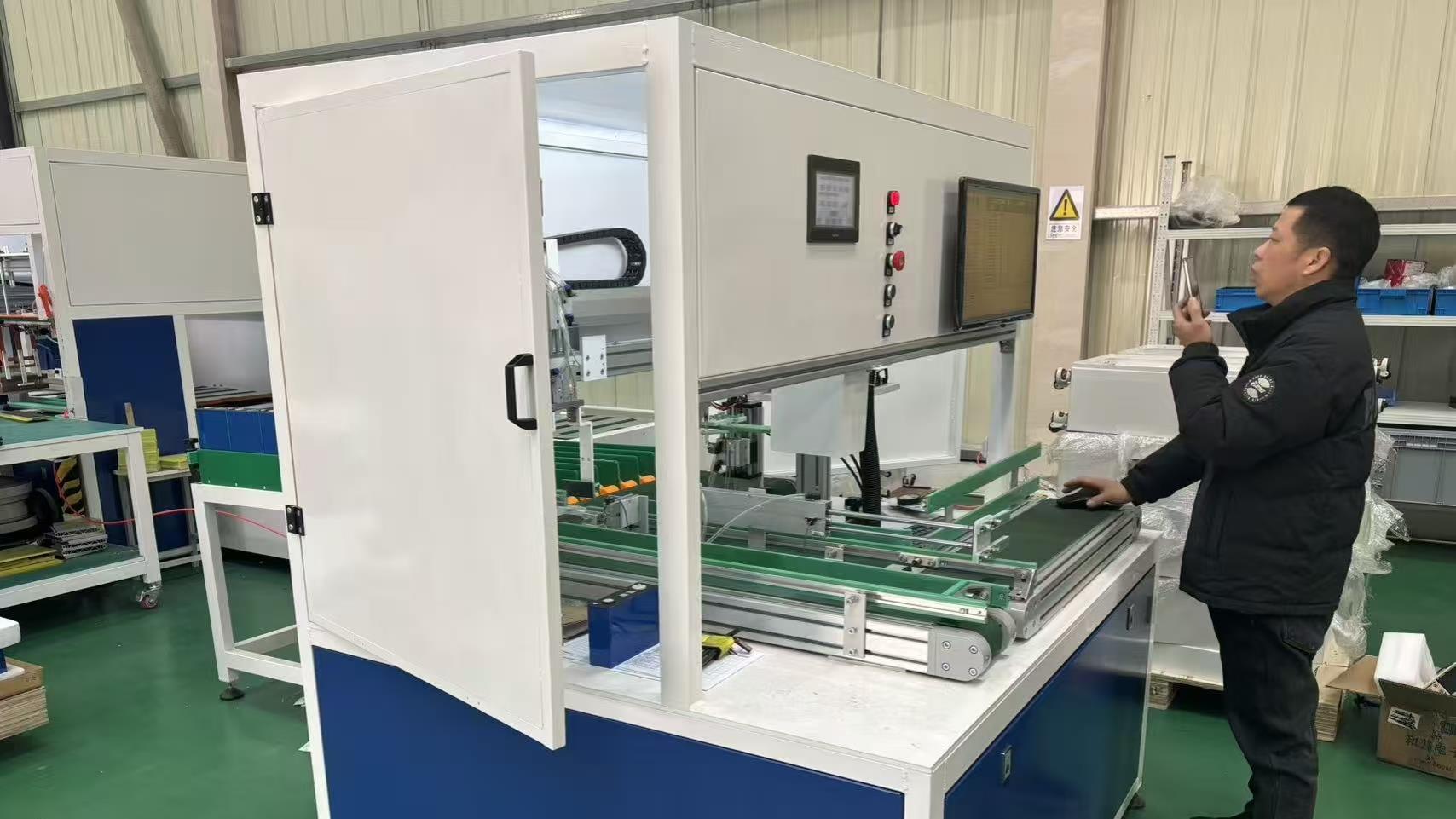
  • 🛡️ Certified Quality: ISO9001, SA8000 & ISO14001 compliance.
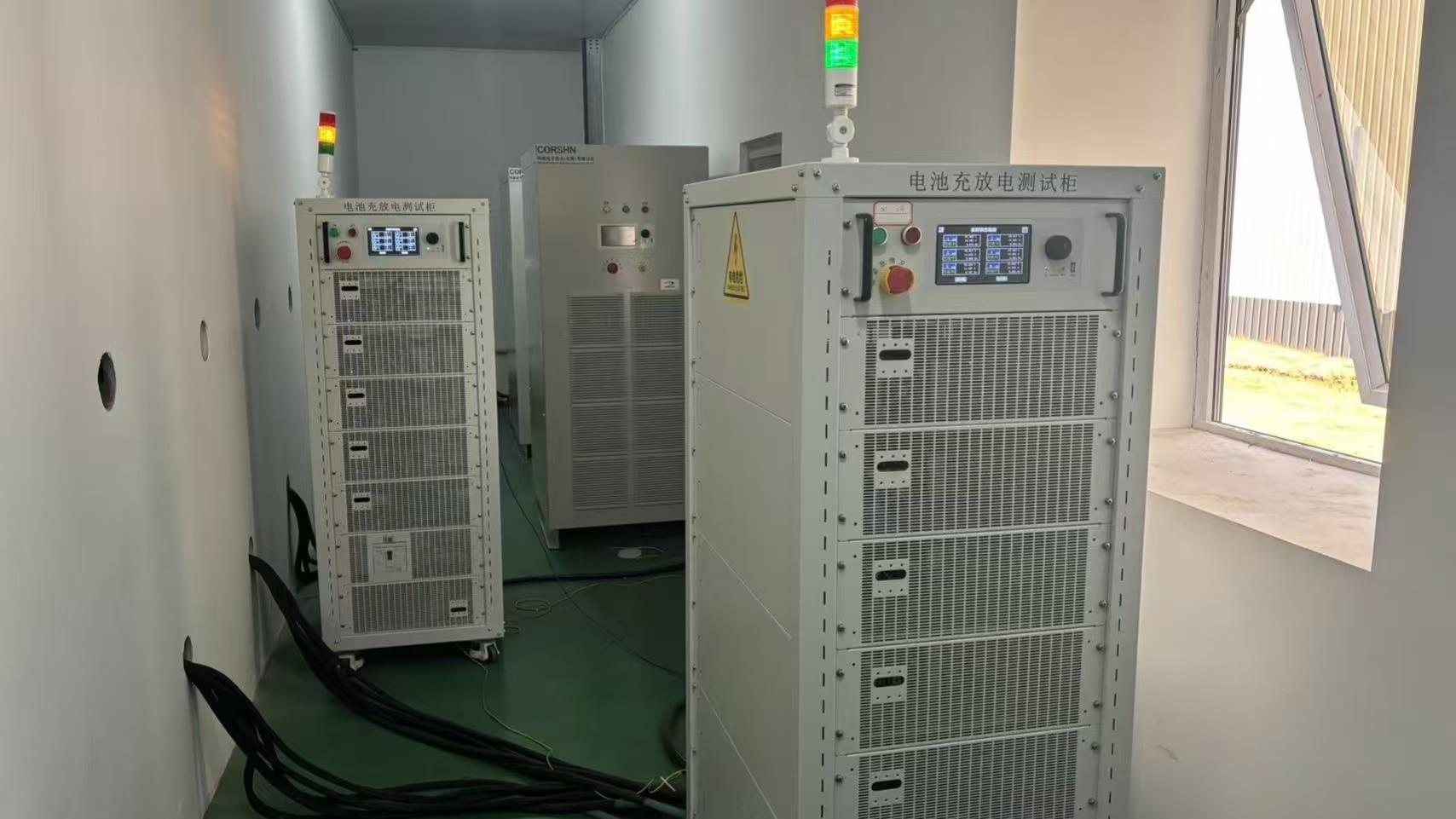
  • 🧪 Rigorous Testing: 100% aging tests in our dedicated lithium battery laboratory.
  • 🌐 Global Compliance: FCC, UL, IEC62619, UN38.3, REACH, and ROHS.
  • 🔧 ODM/OEM Expertise: Custom engineering solutions for specific regional climates.
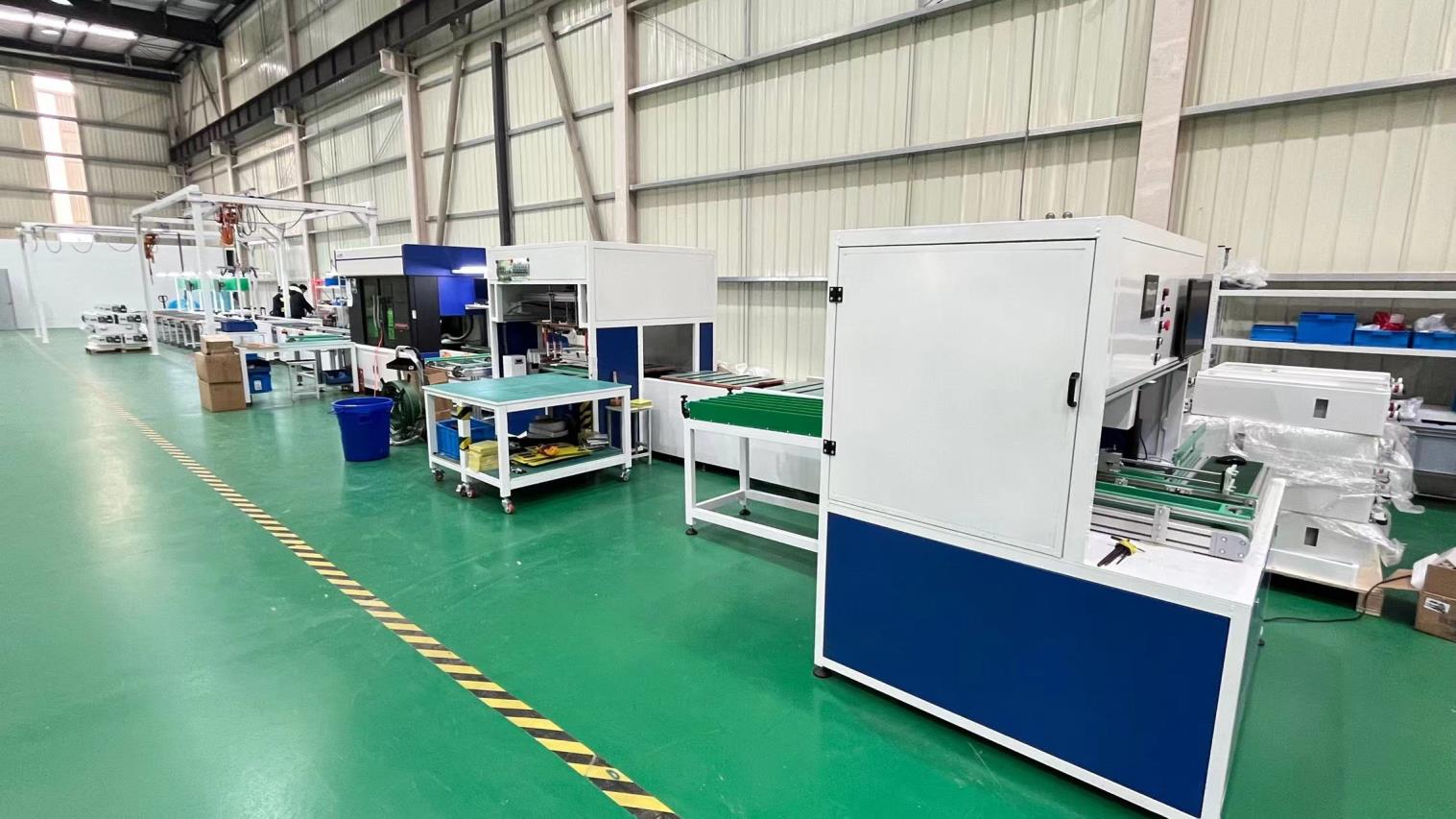
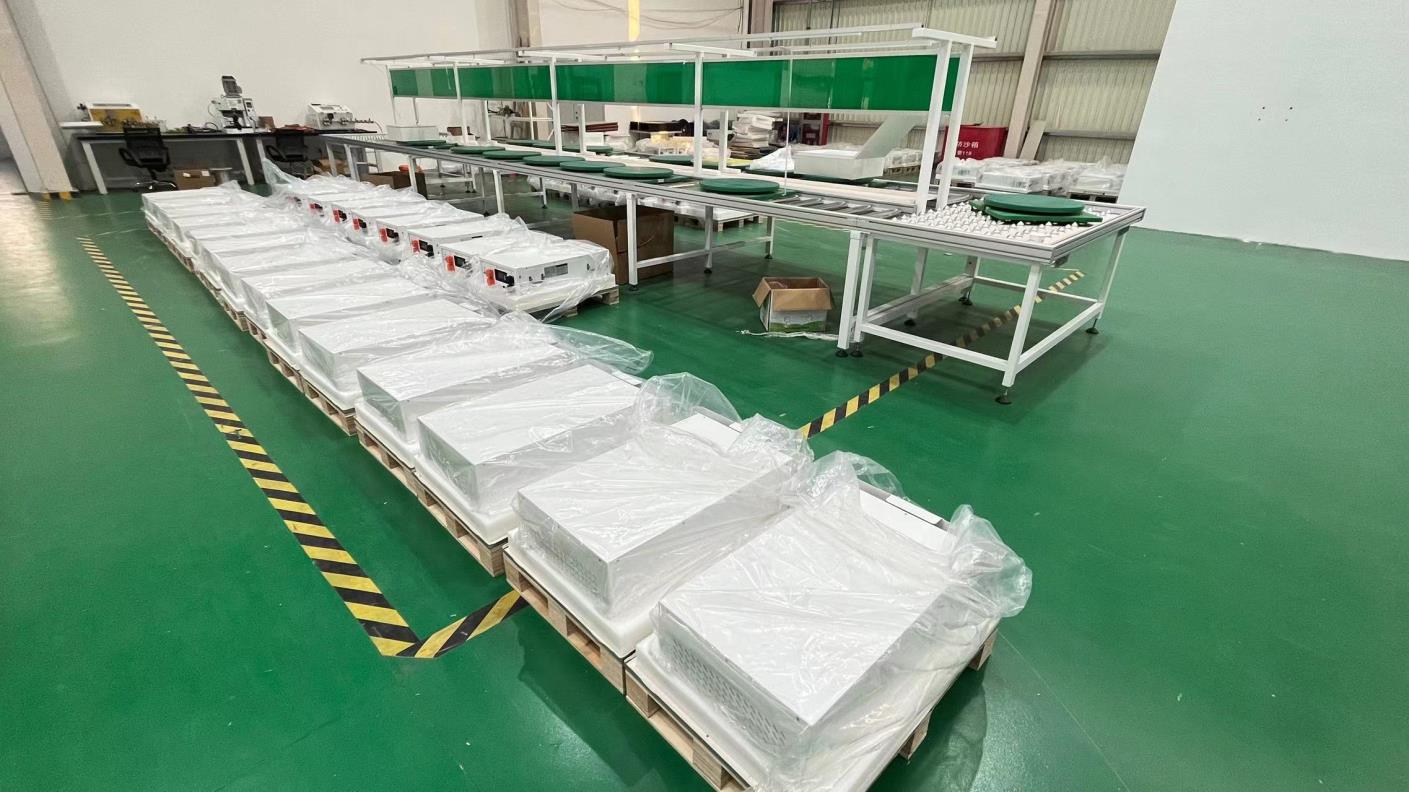
Jiangsu Vires Energy Facility

Precision Manufacturing & Quality Control

A glimpse into the industrial processes that guarantee product longevity
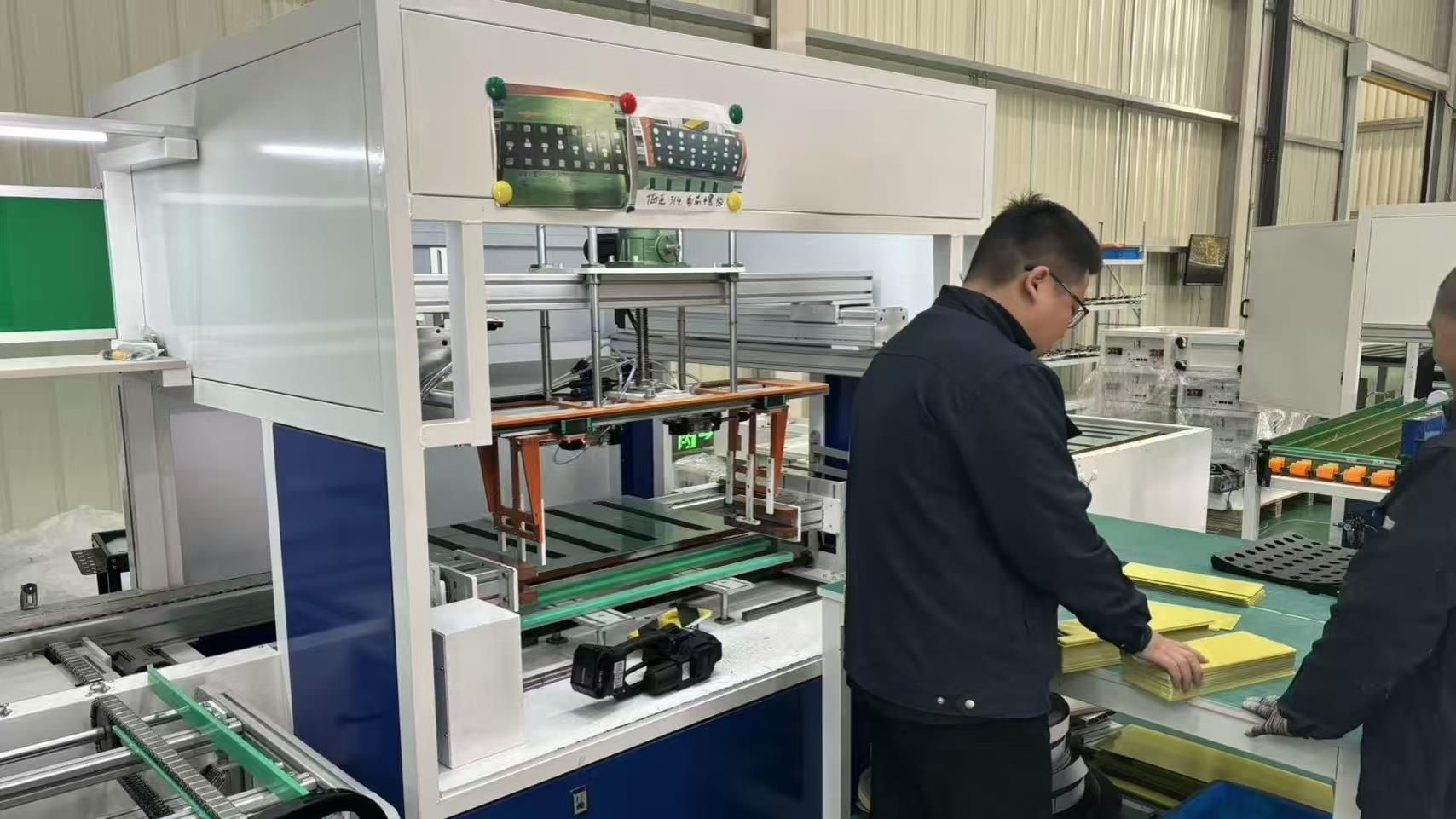
Extrusion process
Extrusion Process
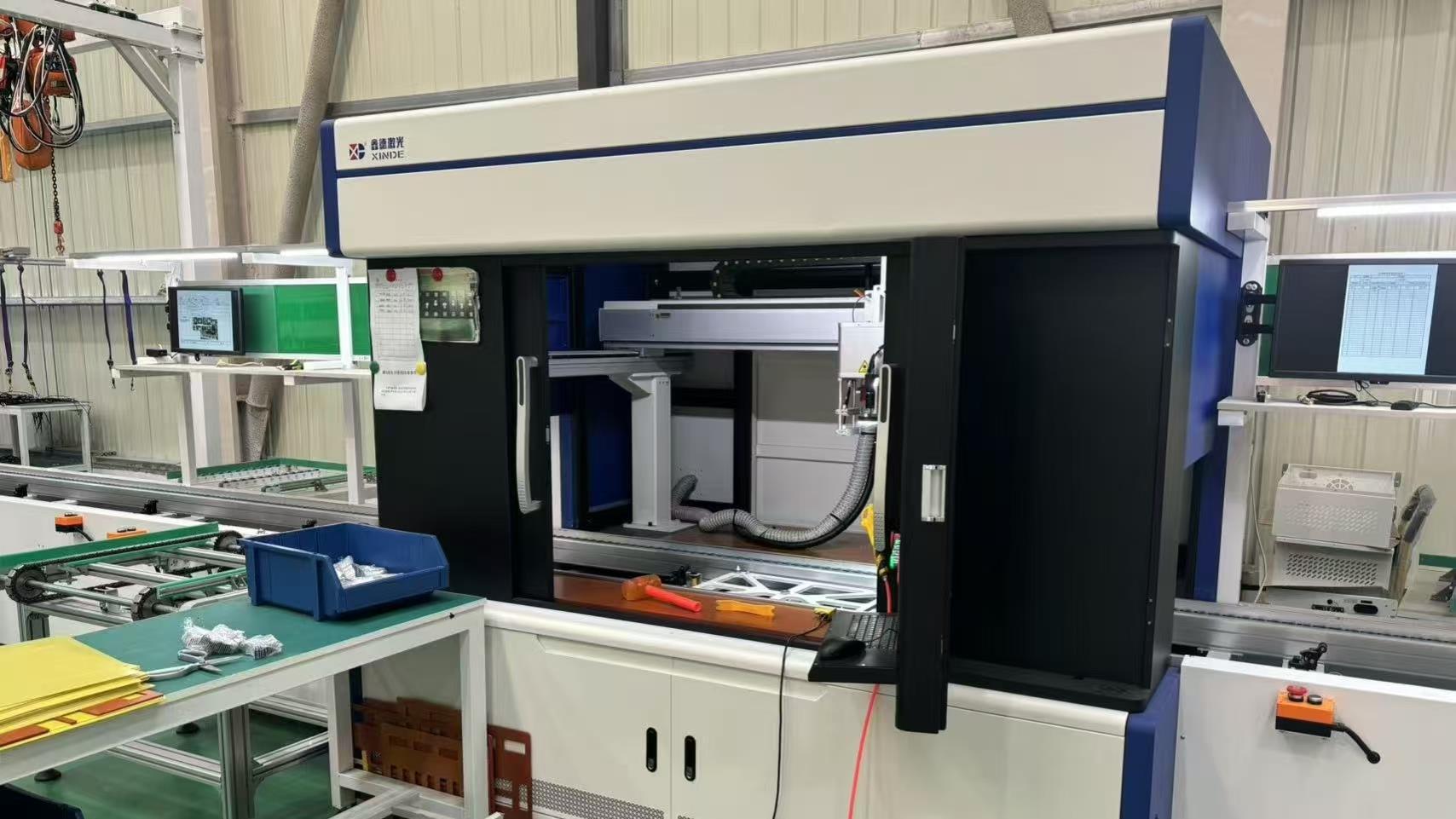
Laser welding
Laser Welding
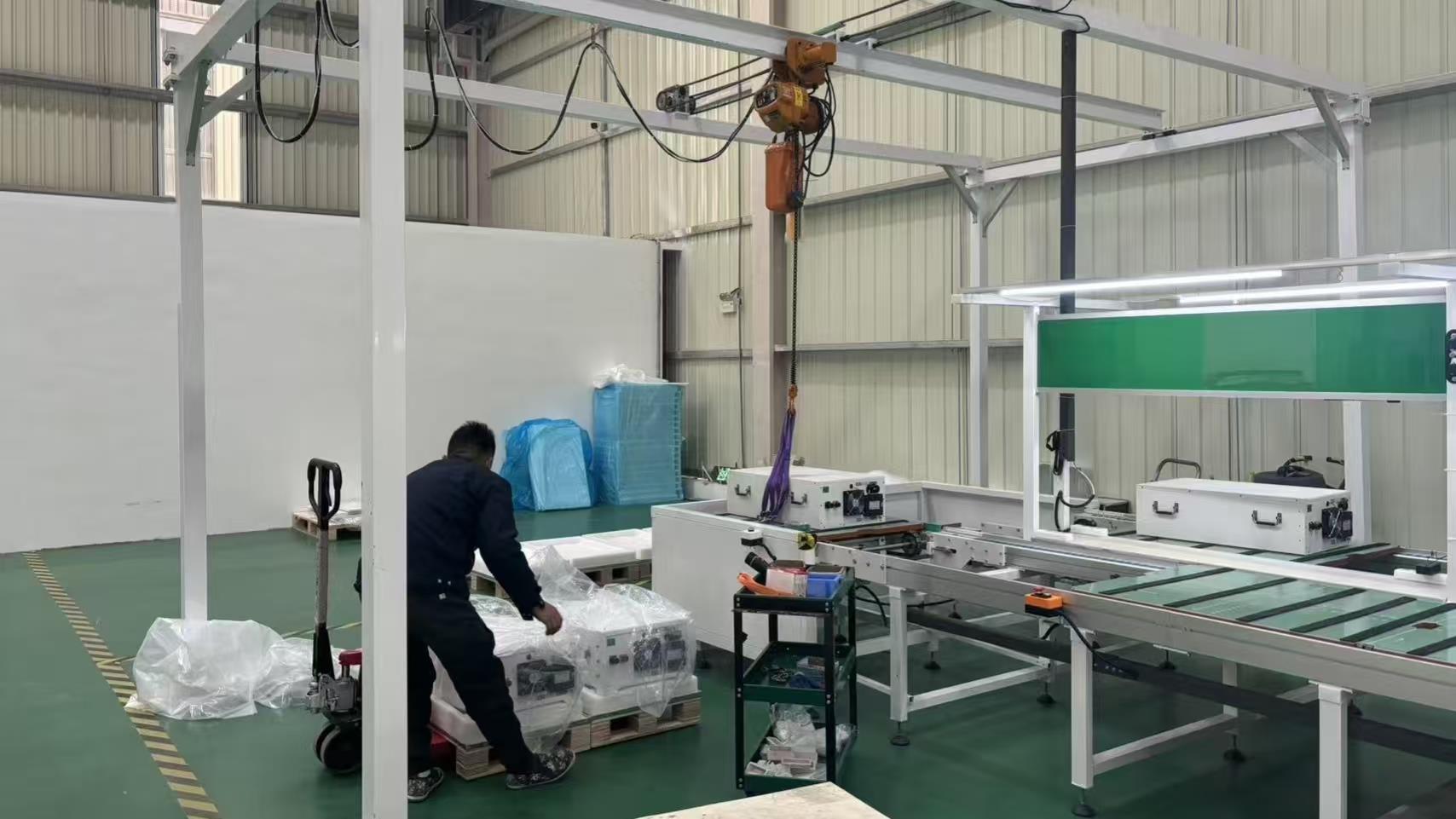
Assemble
Precision Assembly
Aging test
100% Aging Test
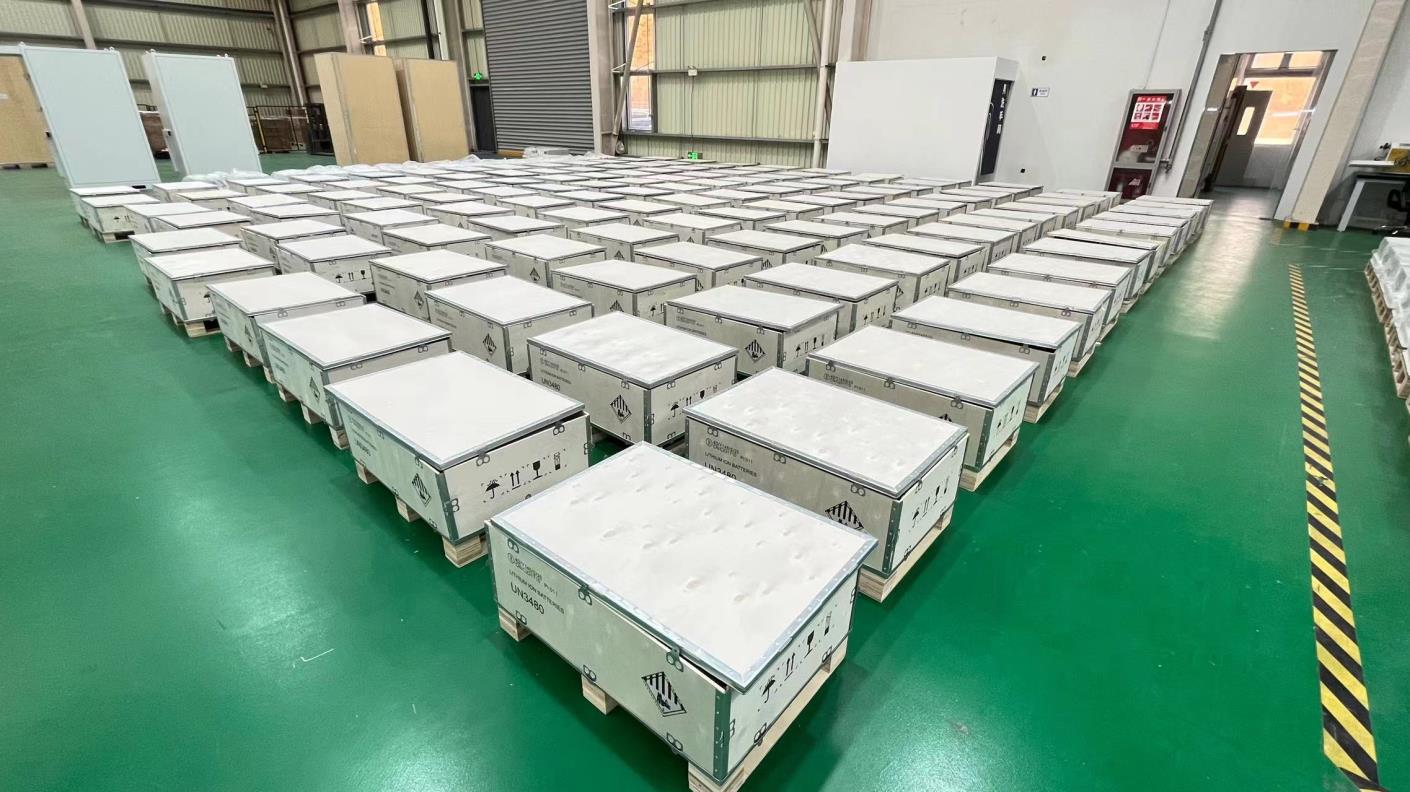
Packaging
Global Standards Packaging
Battery production line
Battery Production
High-voltage box production
HV Box Production
Sorting
Cell Sorting

Global Trends in Solar Cleaning Equipment

Evolution towards AI-integrated and waterless cleaning systems

1. Waterless Robotic Cleaning

In regions like the Middle East (UAE, Saudi Arabia) and North Africa, water is a precious resource. The trend is moving toward airflow-assisted dry brushes that remove 99% of dust without a single drop of water, preserving the local ecology and reducing operational costs.

2. IoT & Predictive Maintenance

Modern equipment now integrates with SCADA systems. Sensors on the cleaning robots monitor the "Albedo effect" and soiling levels in real-time, triggering a cleaning cycle only when the efficiency drop exceeds a pre-set threshold (e.g., 3%).

3. Lightweight Carbon Fiber Components

For manual and semi-automated tools used on residential rooftops, manufacturers are utilizing aerospace-grade carbon fiber. This allows for telescopic poles reaching 20 meters while remaining light enough for a single operator to handle safely.

20+

Years Experience

50+

Countries Served

100%

Inspection Rate

5YR

Product Warranty

The Procurement Guide: Selecting the Right Supplier

Key considerations for B2B buyers and EPC contractors

Essential Checkpoints for Global Buyers:

When sourcing solar cleaning equipment, industry experts emphasize the "Three Pillars of Reliability":

  • Mechanical Durability: Equipment must withstand high UV exposure and extreme temperature fluctuations (from -10°C to +70°C).
  • Panel Safety: Brushes must have a specific "bristle hardness" rating to ensure the anti-reflective coating on the PV glass is not scratched.
  • Battery Longevity: For robotic cleaners, the lithium-ion power source must be high-grade (LiFePO4) to handle daily deep-discharge cycles in hot climates.
📍 Desert Scenarios: Focus on dust ingress protection (IP65+) and dry-cleaning capability.
📍 Agri-PV Scenarios: Focus on height-adjustable tractors and organic debris removal.
📍 Floating PV: Specialized amphibious robots with saltwater corrosion resistance.

Frequently Asked Questions (FAQ)

Addressing the core concerns of solar O&M professionals

How often should solar panels be cleaned in industrial settings?
Frequency depends on local "soiling rates." In urban environments, quarterly cleaning is standard. In agricultural or desert areas, monthly or even bi-weekly cycles may be required to maintain peak efficiency. Equipment with built-in sensors can automate this decision.
Does automated cleaning damage the solar panel warranty?
No, provided you use equipment from reputable manufacturers like Jiangsu Vires Energy, whose tools are designed to meet Tier-1 panel manufacturer guidelines. Always ensure brushes are made of high-quality nylon or soft microfibers.
What is the advantage of sourcing from a Chinese factory like Vires?
The primary advantages are cost-efficiency, rapid R&D iteration, and integrated quality control. Our facility performs 100% aging tests and complies with global standards (UL, IEC), ensuring international reliability at a competitive price point.
Are robotic cleaners better than manual tractor-mounted brushes?
Robotic cleaners are superior for large, flat utility-scale plants due to lower labor costs. Tractor-mounted systems are more versatile for complex terrains or smaller, decentralized installations where mobility is key.