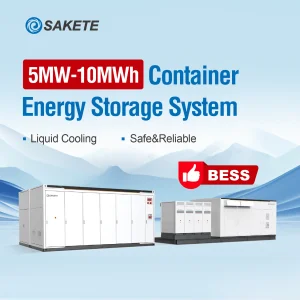
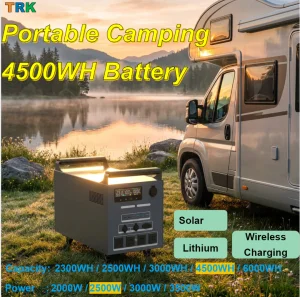
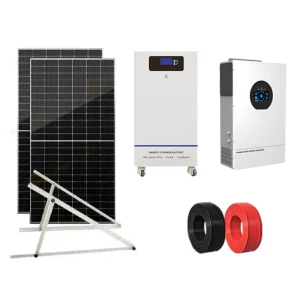
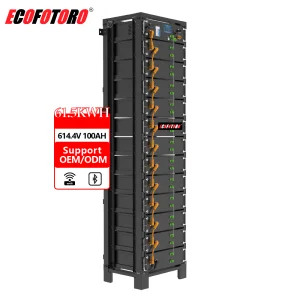
Explore our premium product line covering megawatt-level ESS containers, stackable LiFePO4 batteries, off-grid power stations, and custom assembly kits engineered to meet global compliance regulations.
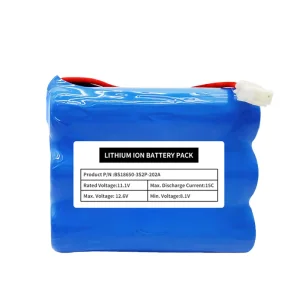
Quantifying our track record as a trusted supplier powering the clean energy transition worldwide.
As the international grid infrastructure experiences unprecedented volatility, commercial, industrial, and residential sectors are rapidly migrating toward independent green energy ecosystems. The term solar power bank has shifted from indicating simple portable consumer electronics to representing advanced, high-capacity, grid-scale Lithium Iron Phosphate (LiFePO4) solar battery banks capable of running heavy industrial machinery, supporting microgrids, and powering entire off-grid residential developments. Choosing the correct industrial partner is the most critical decision for solar distributors and project managers worldwide.
Modern commercial requirements necessitate robust technical design. Traditionally, low-voltage (48V or 51.2V) solar batteries dominated the market, but modern developers are shifting to high-voltage architectures (such as 614.4V LiFePO4 stackable battery systems). High-voltage configurations limit transmission currents, thereby reducing copper cable losses, boosting inverter efficiency, and speeding up response times to load spikes. This technological change underpins large-scale systems such as our 5MWh containerized wind-solar storage systems, facilitating efficient integration into public grids or microgrids.
"The industrial pivot from low-capacity portable solar generators to multi-megawatt battery containers marks a paradigm shift in emergency backup strategy and grid-balancing systems."
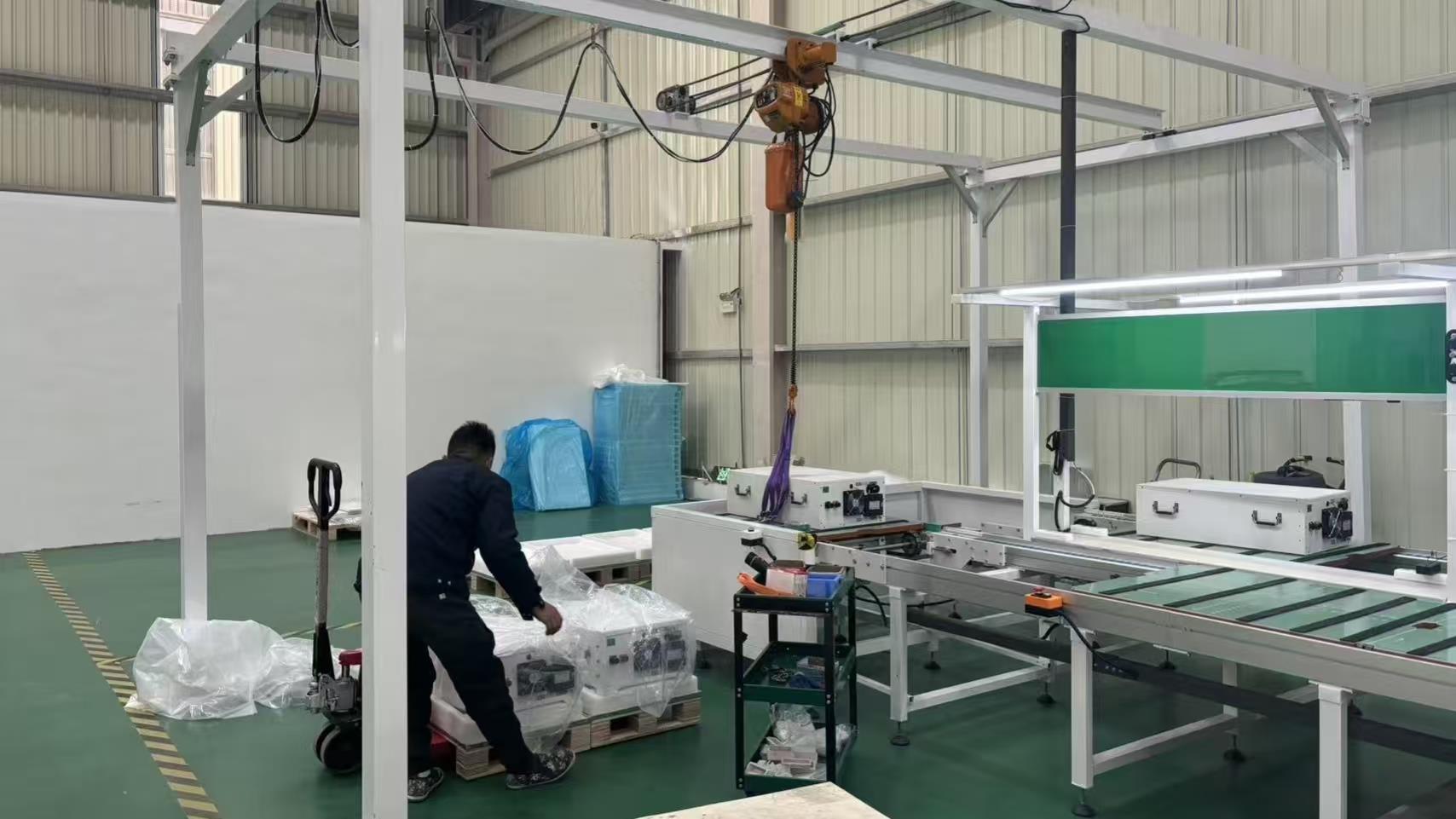
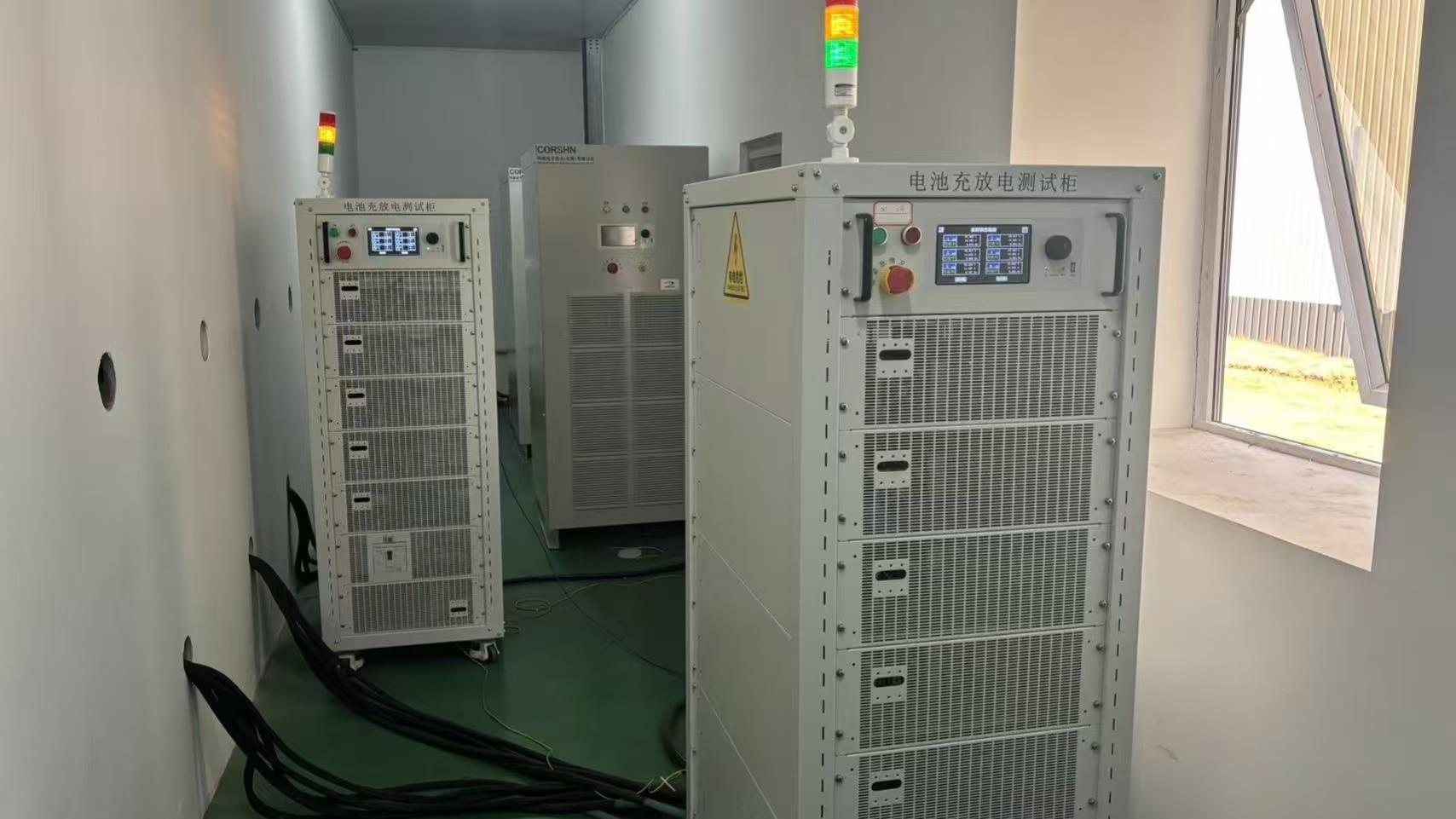
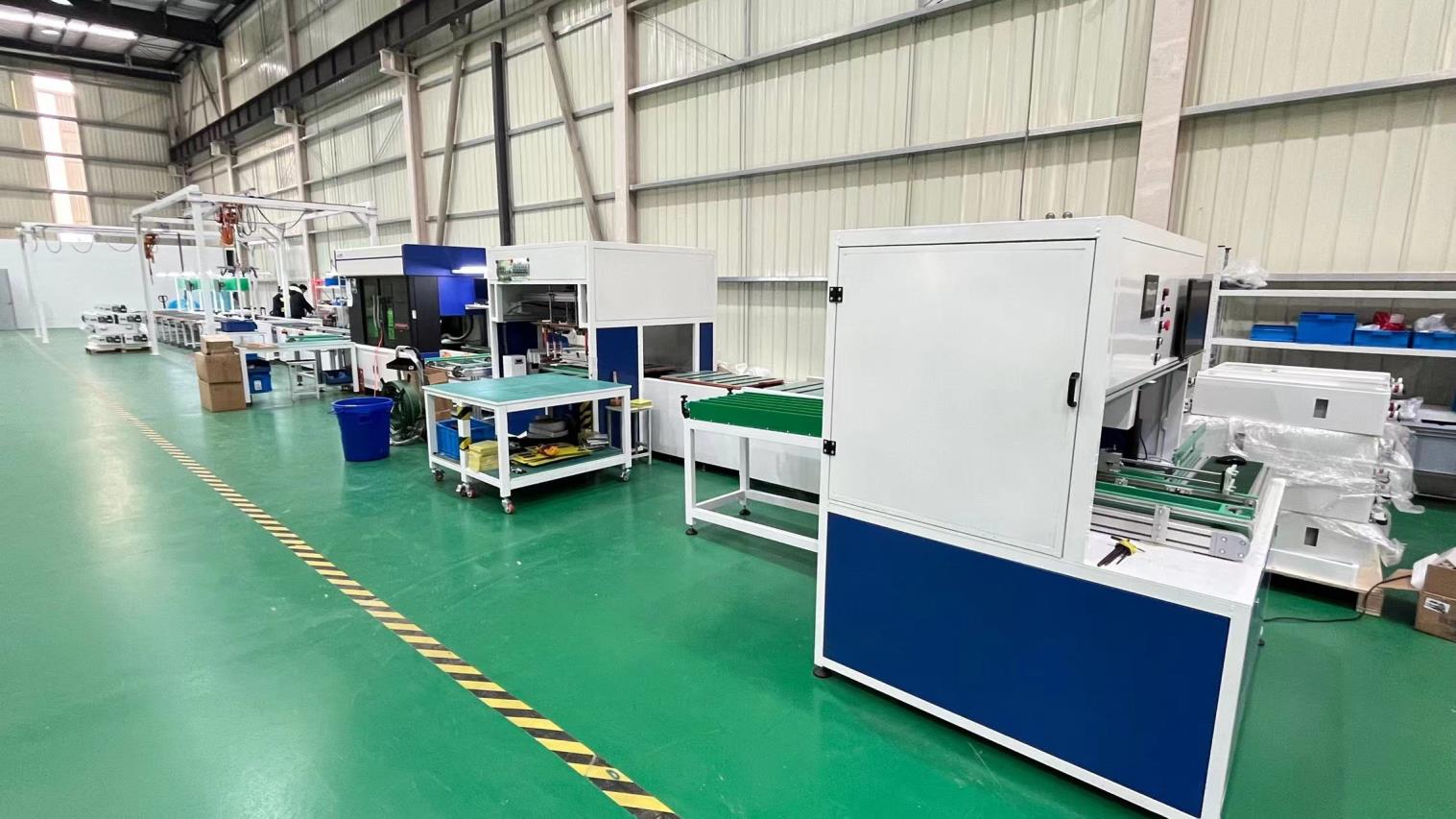
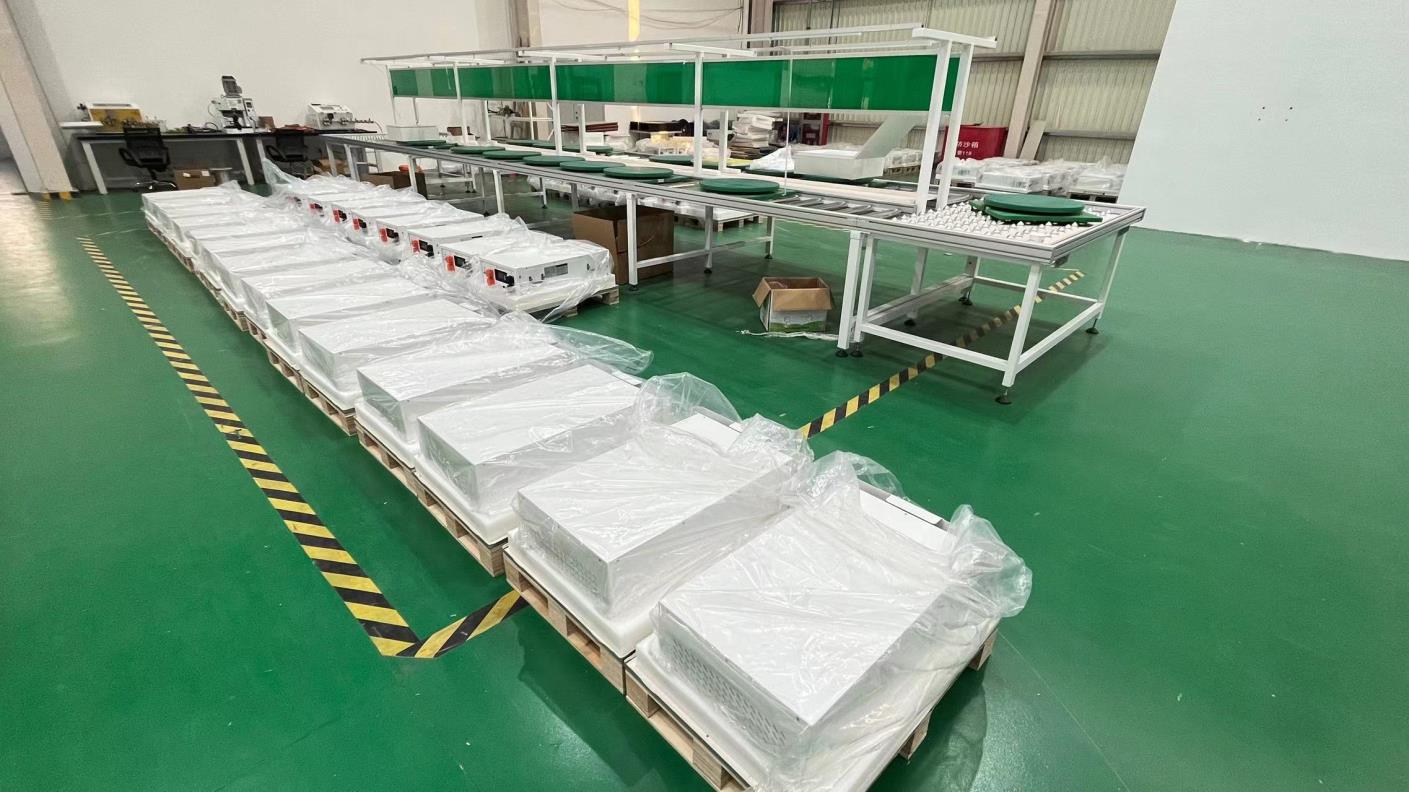
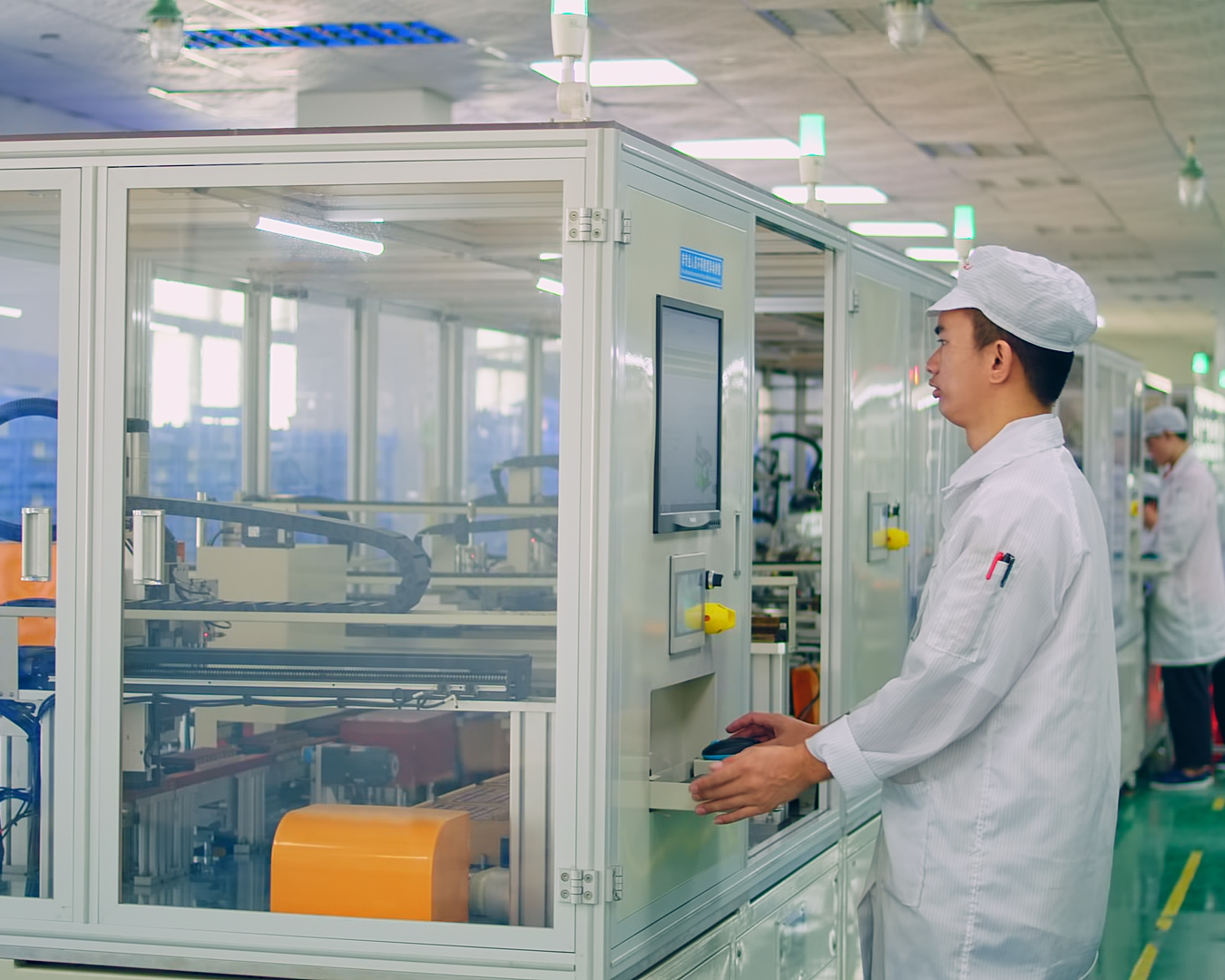
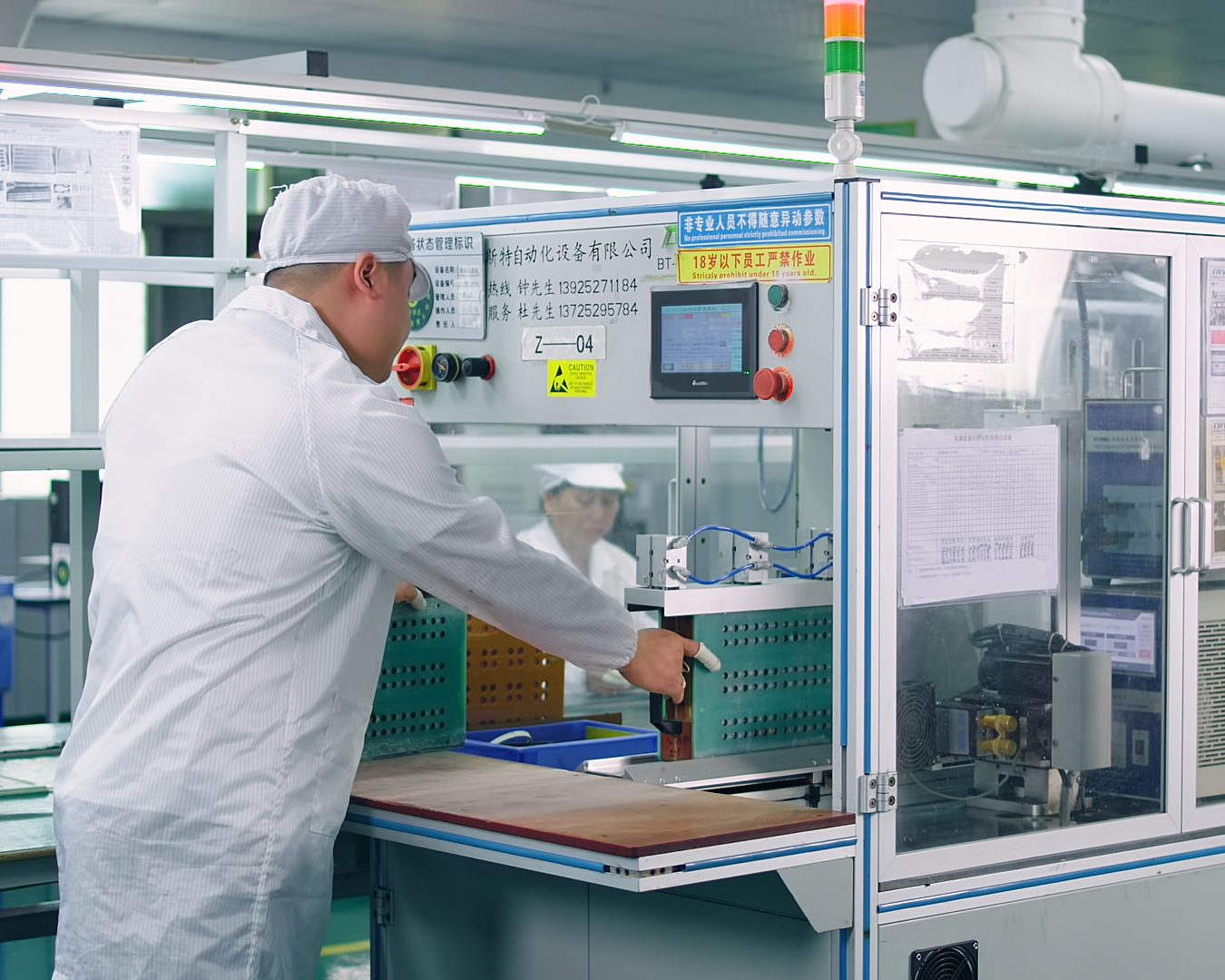
The concentration of raw material refinement, automated cell selection, and advanced electronics in China allows top manufacturers to offer unmatched economic value. Modern assembly lines, including those of Jiangsu Vires Energy Co., Ltd., use high-precision processes such as automatic laser welding, automatic cell sorting, and state-of-the-art battery management system (BMS) testing. This guarantees that cell capacity differences within packs are kept below 1%, maximizing the overall service life and reliability of the system.
Selecting a reliable B2B supplier requires evaluation of several performance criteria:
| Performance Metric | Residential Storage Systems | Commercial & Industrial Systems | Megawatt Utility Containers |
|---|---|---|---|
| Nominal Voltage | 51.2 V / 96 V | 200 V - 614.4 V | 600 V - 1200 V DC |
| Cell Chemistry | LiFePO4 (Prismatic) | LiFePO4 (A-Grade Prismatic) | LiFePO4 (A-Grade Prismatic) |
| Expected Cycles (80% DOD) | 6,000 Cycles | 8,000 Cycles | Over 8,000 Cycles |
| Protection Protocols | Overcharge, Overdischarge, Overtemp | Multi-level BMS, Active Balancing | Integrated HVAC, Aerosol Fire Suppression |
| Typical Capacity Range | 5 kWh - 30 kWh | 50 kWh - 500 kWh | 1 MWh - 10 MWh |
For international projects, compliance is essential to ensure liability protection and safety. Substandard battery banks pose risks of thermal runaway. Top-tier Chinese manufacturers must comply with critical standards including:
• IEC 62619 / IEC 63056: Standard safety rules for lithium-based batteries in industrial and stationary applications.
• UL 1973 / UL 9540A: Standard for evaluating thermal runaway and safety of battery systems in the US.
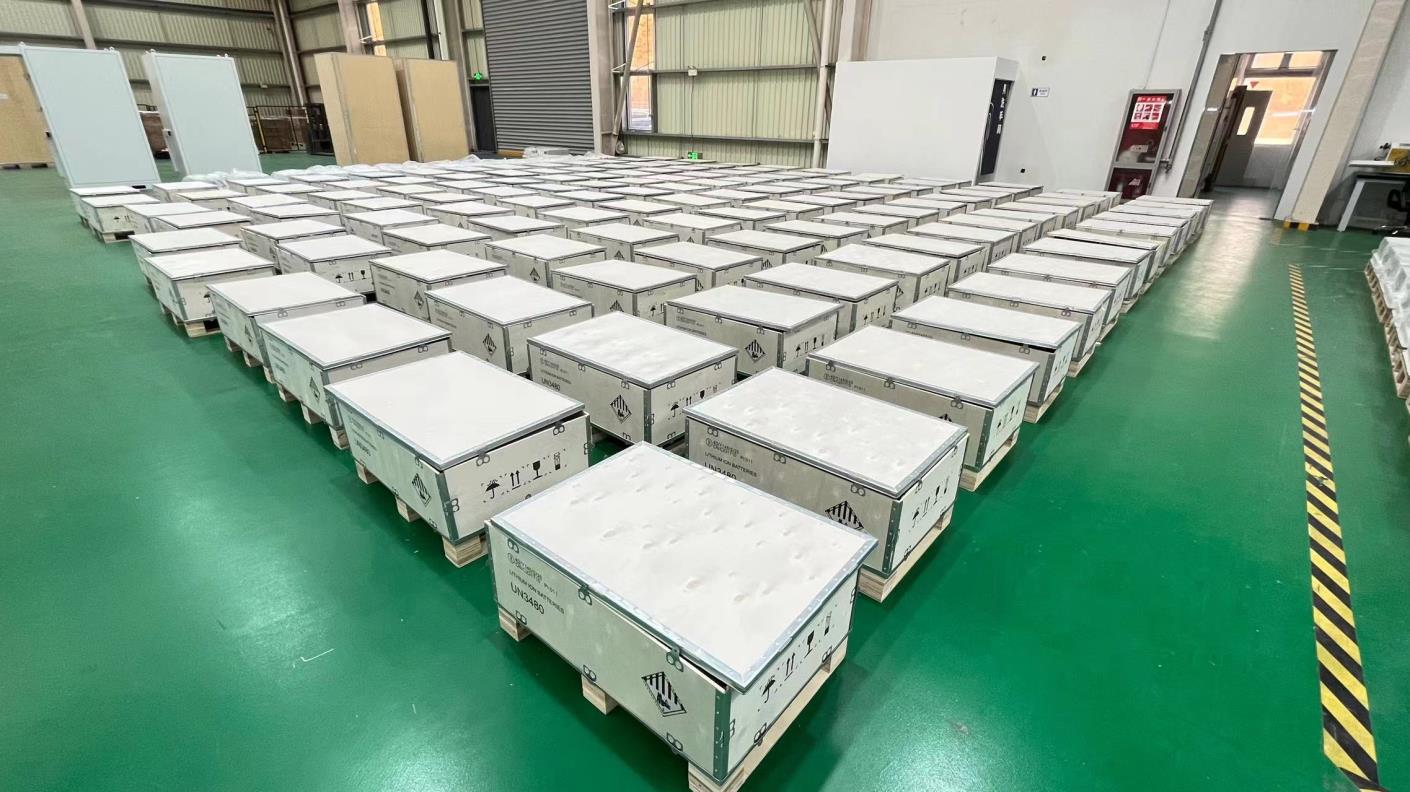
• UN 38.3 & MSDS: Strict shipping tests ensuring safety under heavy transport stresses.
• ROHS & REACH: Guaranteeing non-toxic material compositions for environmentally conscious regions like the European Union.
Modern solar backup solutions must adapt to varying application scenarios:
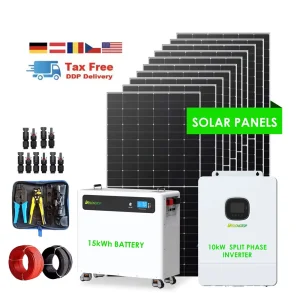
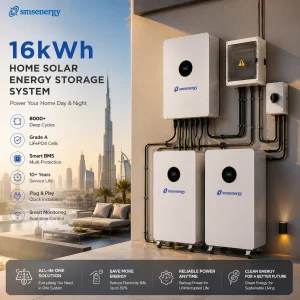
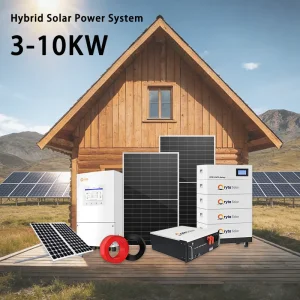
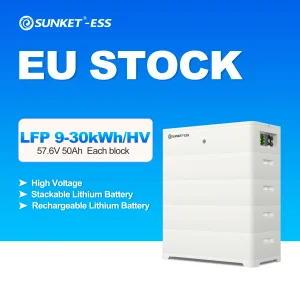
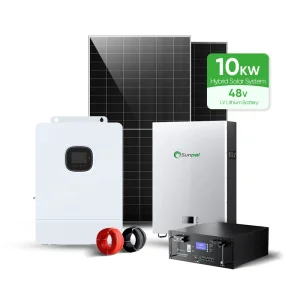
• Residential Backups: Combined hybrid solar setups (e.g. 5kW-15kW kits) paired with LiFePO4 batteries allow homeowners to store solar power during peak solar window periods and discharge during high-rate evening hours.
• Commercial & Industrial Systems (C&I): Stacked lithium battery arrays and hybrid inverter packages support factories during grid dropouts, eliminating production delays.
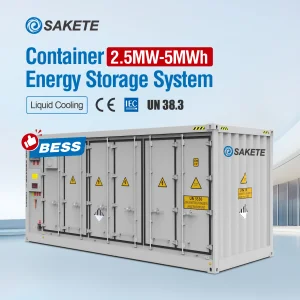
• Utility-scale Storage: Heavy-duty 20ft and 40ft containers (up to 10MWh capacity) stabilize renewable generation profiles from solar farms and wind turbine arrays.
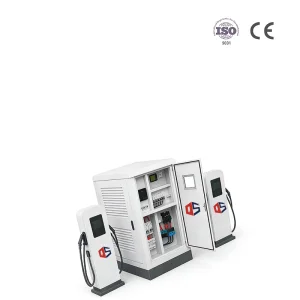
• Off-grid and EV Infrastructure: Solar-powered EV charging stations with high-voltage storage resolve grid limitations by buffering DC fast charging speeds locally.
Vires Energy deploys strict automated assembly and inspection technologies at every production stage to secure long-term durability and safety certifications.
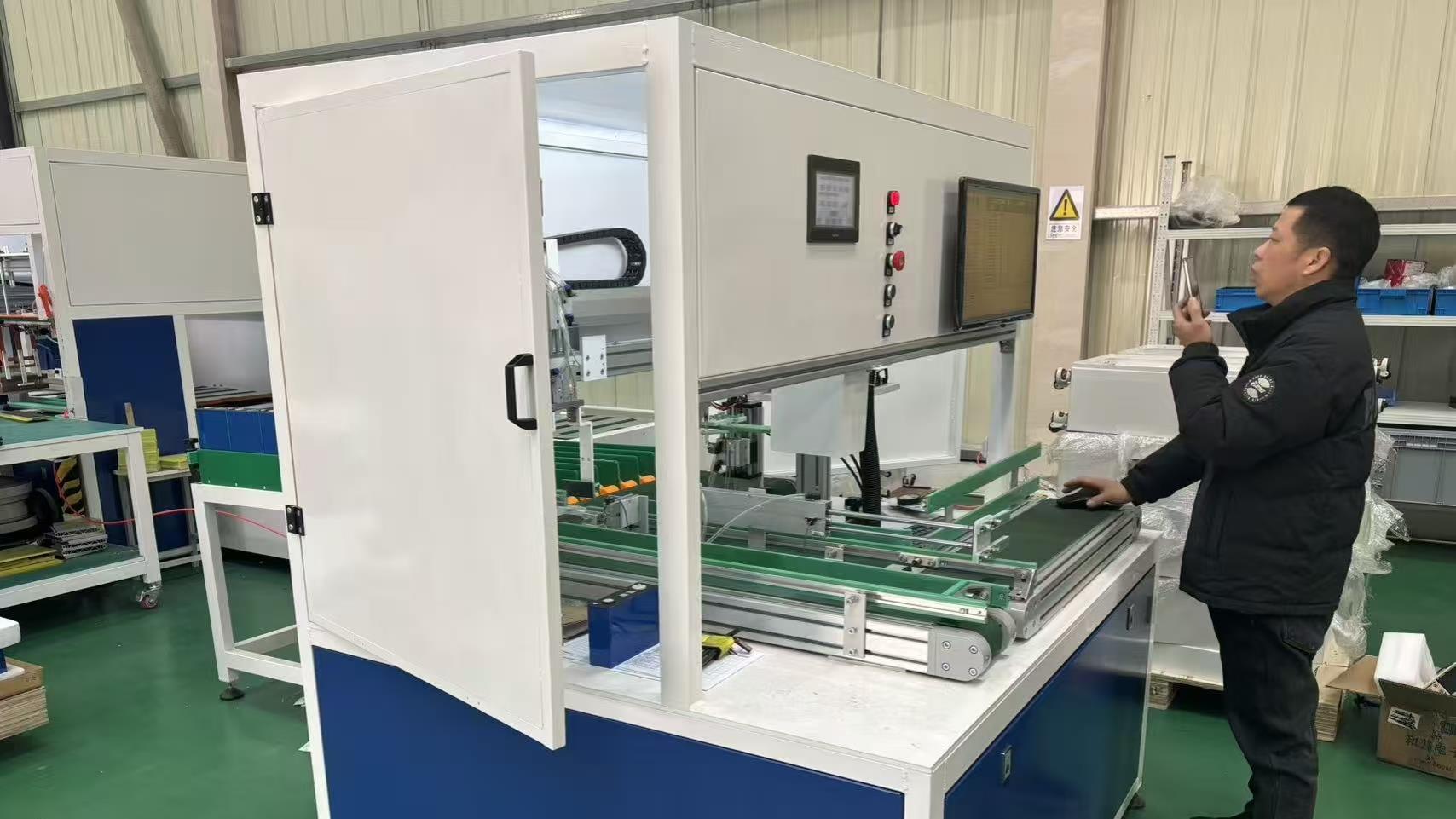
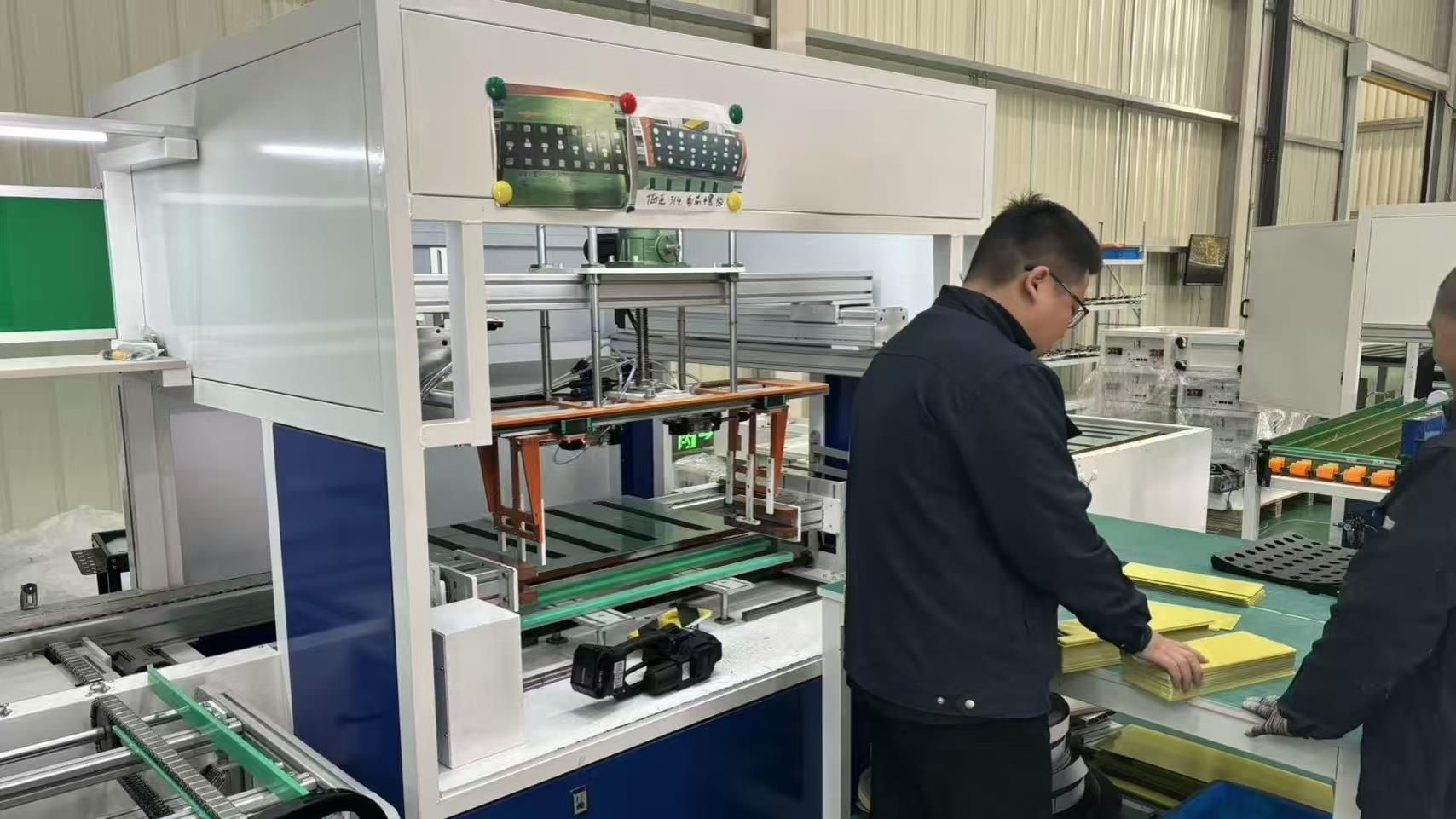
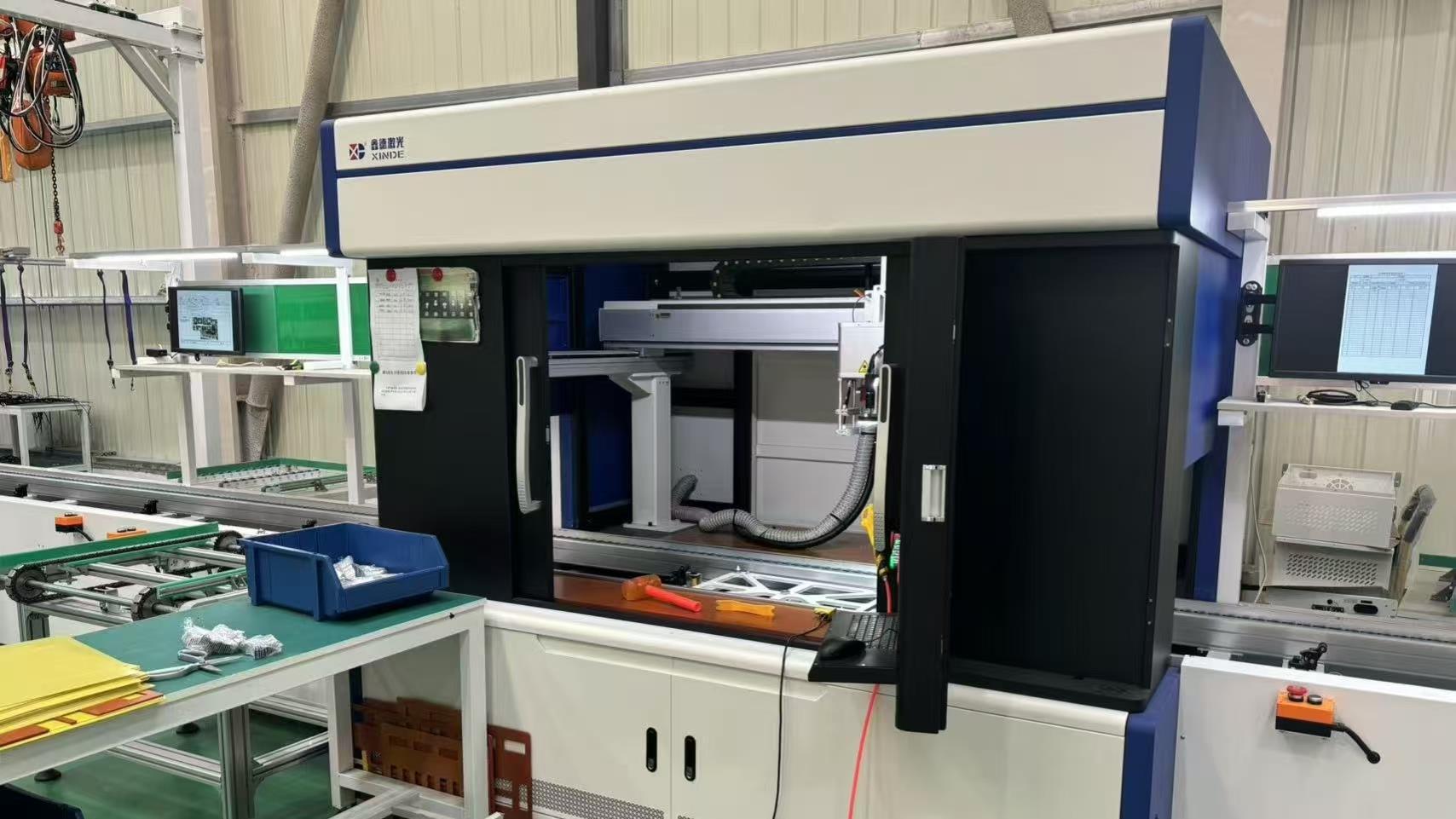
Addressing core technical questions from industrial installers, utility coordinators, and global purchasing agents.
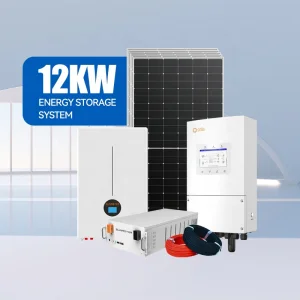
Reliable power systems optimized for home backup integration, hybrid grid connectivity, EV rapid charging, and remote off-grid operations.
 Vires Energy